By Paul Nwosu PhD
When Nigeria joined the global campaign against child labour and adopted the National Action Plan for the Elimination of Child Labour (2021–2025), there was genuine optimism that the country was finally prepared to confront one of the most persistent stains on its social conscience. Government officials made ambitious commitments, international agencies lent support, and extensive surveys were conducted to generate data that would guide interventions.
Yet, six months into 2026, the uncomfortable truth remains that child labour is still deeply entrenched across Nigeria.
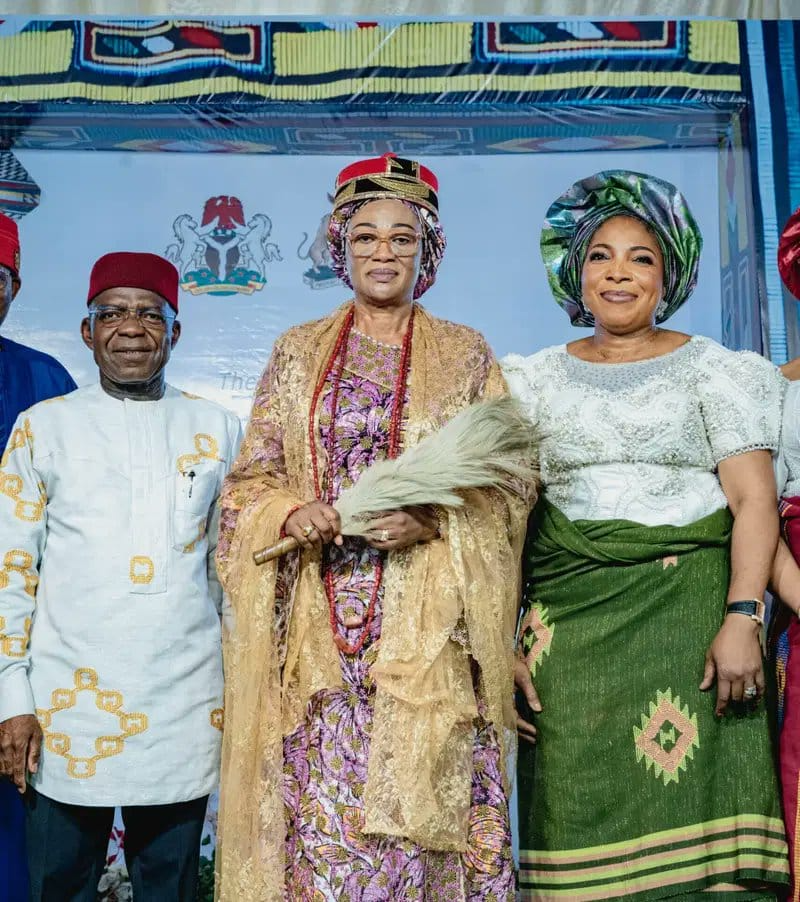
In the preface to the 2022 Child Labour and Forced Labour Survey conducted by the National Bureau of Statistics (NBS) in collaboration with the International Labour Organisation (ILO), the Honourable Minister of State for Labour and Employment, Rt. Hon. Barr. Nkeiruka Onyejeocha, painted a disturbing picture of the plight of Nigerian children. She described child labour as a global menace that damages the physical, social, cognitive, moral and educational development of children. She noted that millions of children worldwide remain trapped in exploitative labour and warned that the practice perpetuates poverty across generations.
The minister also outlined Nigeria’s impressive policy architecture. The country had ratified key ILO conventions, reviewed the National Policy on Child Labour and Forced Labour, validated the National Action Plan for the Elimination of Child Labour, updated the list of hazardous child labour activities, and strengthened legislative frameworks. Most significantly, she reaffirmed Nigeria’s commitment under Sustainable Development Goal 8.7 to end child labour in all its forms by 2025.
That deadline has sadly come and gone. The contrast between policy declarations and realities on the ground could not be starker.
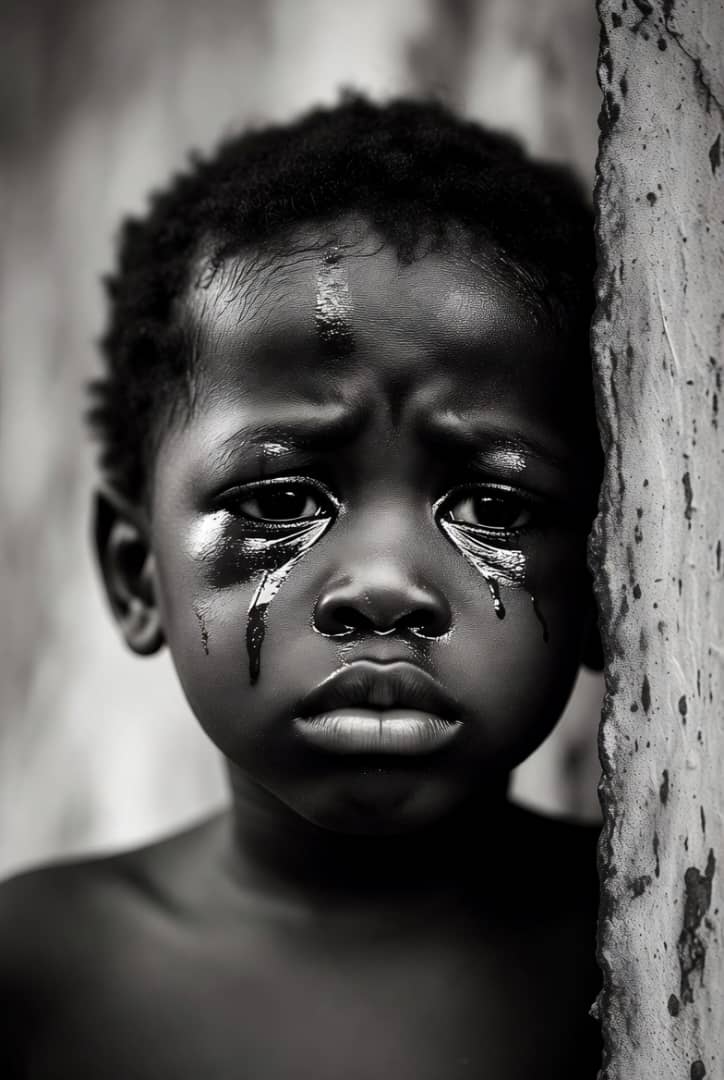
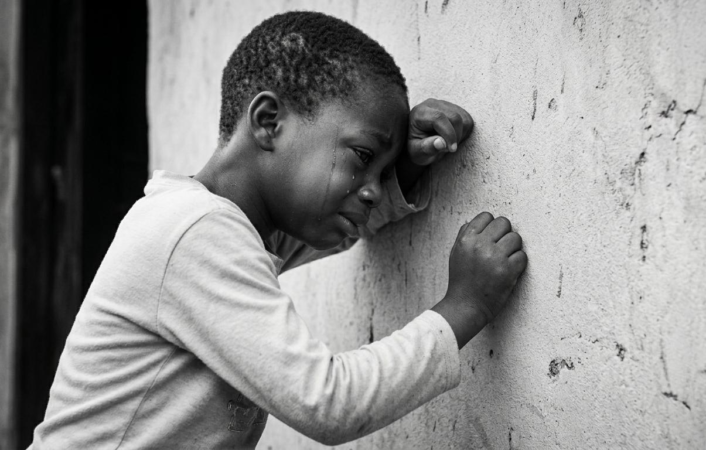
Across cities, towns and villages, children continue to hawk goods under the scorching sun, serve as domestic workers, toil in farms, work in workshops and markets, and engage in other forms of labour that rob them of education, childhood and dignity. In many communities, child labour has become so normalized that it is often mistaken for economic necessity rather than recognized as a violation of children’s rights.
The persistence of child labour is not necessarily evidence of a lack of policy. Rather, it is evidence of weak implementation, inadequate enforcement and the broader economic distress confronting millions of Nigerian families.
The reality is simple. A hungry parent cannot easily resist the temptation to send a child to work. A struggling household facing rising food prices, unemployment and insecurity often views child labour not as a choice but as a survival strategy. This is why the 2026 World Day Against Child Labour theme goes beyond merely showing child labour a “Red Card.” It also advocates “Decent Work for Adults.” The connection is obvious.
When adults have stable and dignified employment, children are more likely to remain in school. When parents earn living wages, they are less likely to depend on their children as supplementary income earners. When communities enjoy economic security, child labour loses much of its attraction.
This is where government intervention becomes critical.
Some states have demonstrated that meaningful progress is possible. Through investments in free education, skills acquisition programmes, youth empowerment initiatives and social support schemes, they are gradually reducing the economic pressures that push children into labour. By making education accessible and creating pathways to economic advancement, these states are tackling the problem at its roots rather than merely addressing its symptoms.
However, isolated successes cannot substitute for a coordinated national response.
Nigeria must intensify efforts to create jobs and stimulate economic opportunities for parents and guardians. Equally important is the restoration of security across the country. In many rural communities, farmers can no longer safely access their farmlands because of banditry, kidnappings and violent criminal activities. The resulting loss of livelihoods pushes families deeper into poverty and increases the vulnerability of children to exploitative labour.
The fight against child labour must therefore be linked to the fight against unemployment, poverty and insecurity.
Enforcement also requires urgent strengthening. Laws prohibiting exploitative child labour already exist. What is lacking is consistent implementation. Employers who profit from the exploitation of children must face sanctions. Communities should be encouraged to report violations, while schools should be strengthened to retain children through quality education and support programmes.
Nigeria deserves credit for recognising the problem, conducting comprehensive surveys and establishing policy frameworks. But policies do not rescue children. Action does.
The promises contained in the National Action Plan were noble. The aspirations articulated by Onyejeocha were commendable. Yet for the millions of Nigerian children who continue to work when they should be learning, playing and dreaming, those promises remain largely unfulfilled.
As the world once again marks the campaign against child labour, Nigeria must move beyond declarations and commemorative speeches. The nation must confront the economic realities that drive child labour, create decent jobs for adults, secure communities, strengthen education and enforce existing laws.
Only then will the red card shown to child labour become more than a symbolic gesture. Only then will Nigeria honour its commitment to its children. Only then will the dream of ending child labour cease to be a promise deferred and become a promise fulfilled.