By Paul Nwosu PhD || AlphaTimes
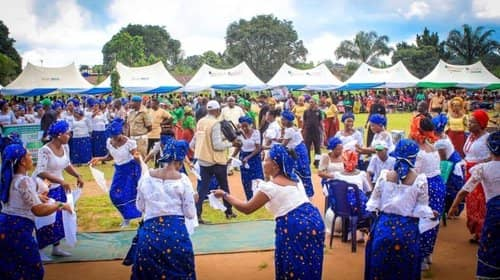
For decades, the annual August Meeting has stood as one of the most influential socio-cultural institutions in Igboland, bringing together millions of women across communities in a rare demonstration of unity, solidarity and collective purpose.
It was conceived as a forum where mothers, wives and community builders could reflect on the challenges confronting their families and chart practical solutions for the progress of their communities.
Sadly, that lofty vision is steadily being eclipsed. What should be a parliament of ideas has, in many places, degenerated into an annual carnival of music, fashion, feasting and political patronage, with politicians competing to outspend one another in exchange for applause and fleeting endorsements.
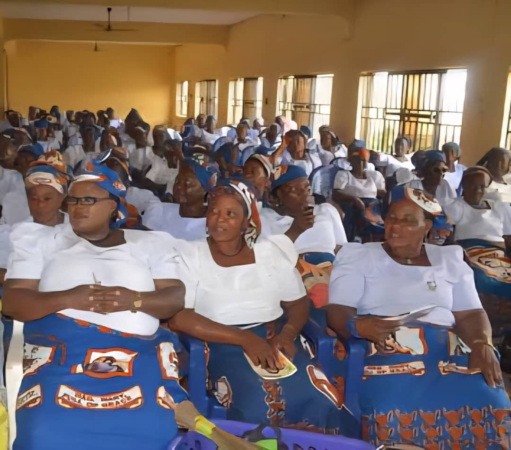
Yet, never has the South-East needed the wisdom, courage and moral authority of its women more than it does today. As insecurity deepens, drug abuse ravages young lives, family values crumble and economic hardship pushes many households to the brink, the August Meeting must rise above ceremony and reclaim its historic role as the conscience of society. The region cannot dance its way out of these crises; it must confront them with honesty, purpose and collective action.
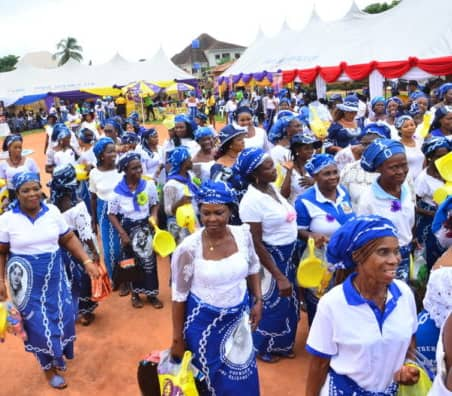
The time to shift the agenda is now. Women should place at the centre of their deliberations the growing menace of insecurity, youth unemployment, drug addiction, poor maternal and child healthcare, food insecurity, environmental degradation and the rising cost of living.
Equally urgent are the less visible but more destructive psychological challenges such as the erosion of family values, mental health disorders, domestic violence, the dangerous obsession with instant wealth, social media-driven excesses and the weakening of parental authority. These are the issues threatening the future of the Igbo family and demanding sustained intervention.
As mothers and the first teachers of every generation, women possess the unique influence to rebuild broken homes, mentor the young, promote enterprise, strengthen community vigilance and restore the culture of honesty, discipline and hard work that once defined Igbo society.
Their greatest contribution lies not in the elegance of their attire or the grandeur of their celebrations, but in the quality of the values they transmit to the next generation.
The greatest threat to the August Meeting today is not a lack of attendance but the growing influence of political patronage. When public office holders reduce the gathering to a platform for distributing cash, making political speeches and harvesting endorsements, its moral authority is diminished and its original mission is compromised. Women must resist becoming instruments of political convenience and instead insist on holding leaders accountable for their promises and performance.
The time has come to redefine the August Meeting as the Parliament of Igbo Women, a respected annual development summit where practical resolutions on security, education, healthcare, youth development, economic empowerment and family values are adopted and pursued long after the songs have faded.
Celebration is part of culture, but culture itself is sustained by responsibility. If the August Meeting can recover its founding purpose, it will once again become one of the South-East’s most formidable forces for social renewal, community development and the rebirth of enduring values.