By Paul Nwosu PhD || AlphaTimes
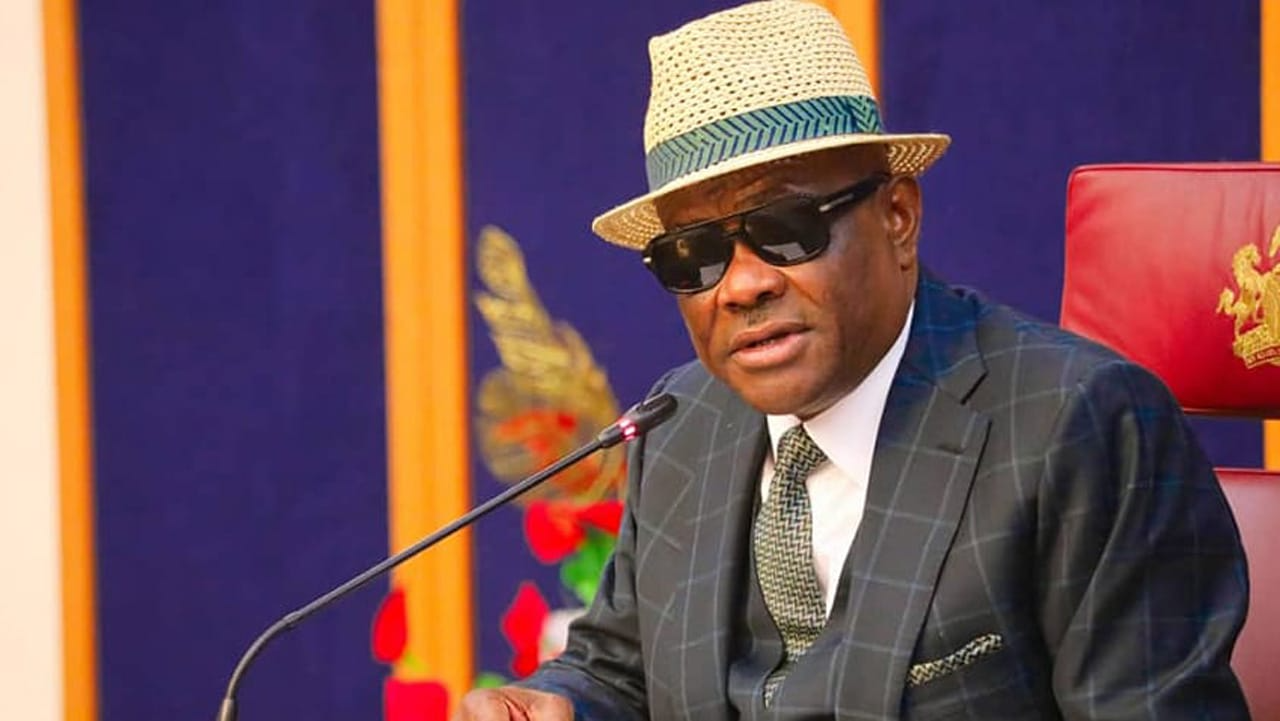
The Progressives’ governors have refused to work with Nyesom Wike’s Rainbow Coalition, and it is difficult to fault their reasoning.
Their official position is that the arrangement could undermine President Bola Tinubu’s 2027 re-election bid and weaken the APC. It is, perhaps, the politically decent way of putting it without bruising the ego of a President who has openly acknowledged Wike’s political dexterity and electoral value.
But there is more beneath the surface. The resentment against Wike within the APC establishment did not begin with the Rainbow Coalition. It dates back to his emergence as Minister of the Federal Capital Territory, a political reward for his contribution to Tinubu’s victory.
Instead of approaching the assignment with the restraint and humility expected of a man entering the political territory of other power brokers, Wike appeared to swagger into the FCT as though he had conquered it. His combative style soon unsettled allies and adversaries alike.
He wanted to govern the FCT and, at the same time, retain an iron grip on Rivers politics. When his political godson, Governor Siminalayi Fubara, proved unwilling to remain pliable, the political crisis escalated into the extraordinary step of imposing a state of emergency in Rivers State, a move widely criticised by constitutional experts.
Fubara eventually returned to office and moved from the PDP to the APC, apparently seeking a new political home. Yet the turbulence followed him. Wike’s influence remained formidable, and Fubara ultimately failed to secure the APC ticket for a second term.
Wike’s proximity to President Tinubu also emboldened him to venture into the internal politics of the APC, sometimes appearing to challenge the authority of the party’s established structures. His interventions in states such as Kwara and Imo were interpreted by party actors as attempts to undo APC structures in those States and instal his proxies.
Even after the APC leadership declared Fubara the party’s leader in Rivers State, Wike openly resisted the position and warned the party leadership to keep its hands off Rivers politics.
That history explains why the Progressives’ governors would be wary of joining a coalition led by a man they perceive as a threat to their political structures.
For them, the Rainbow Coalition can only spell doom; a Trojan horse.
President Tinubu now faces a delicate political choice, not necessarily between Wike and the governors personally, but between competing centres of influence within his political coalition.
How that balance is managed could determine whether Wike’s extraordinary political run continues, whether the Rainbow Coalition becomes the beginning of the end of his influence. Already, President Tinubu has advised him to restrict himself to FCT and Rivers State where he seems to have proven dexterity in winning elections.