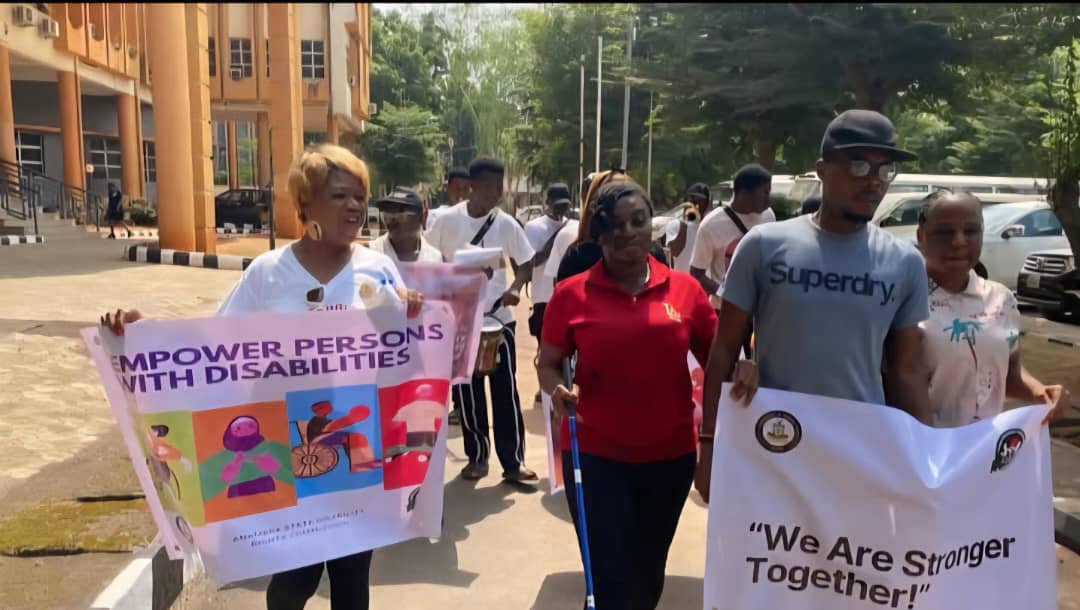
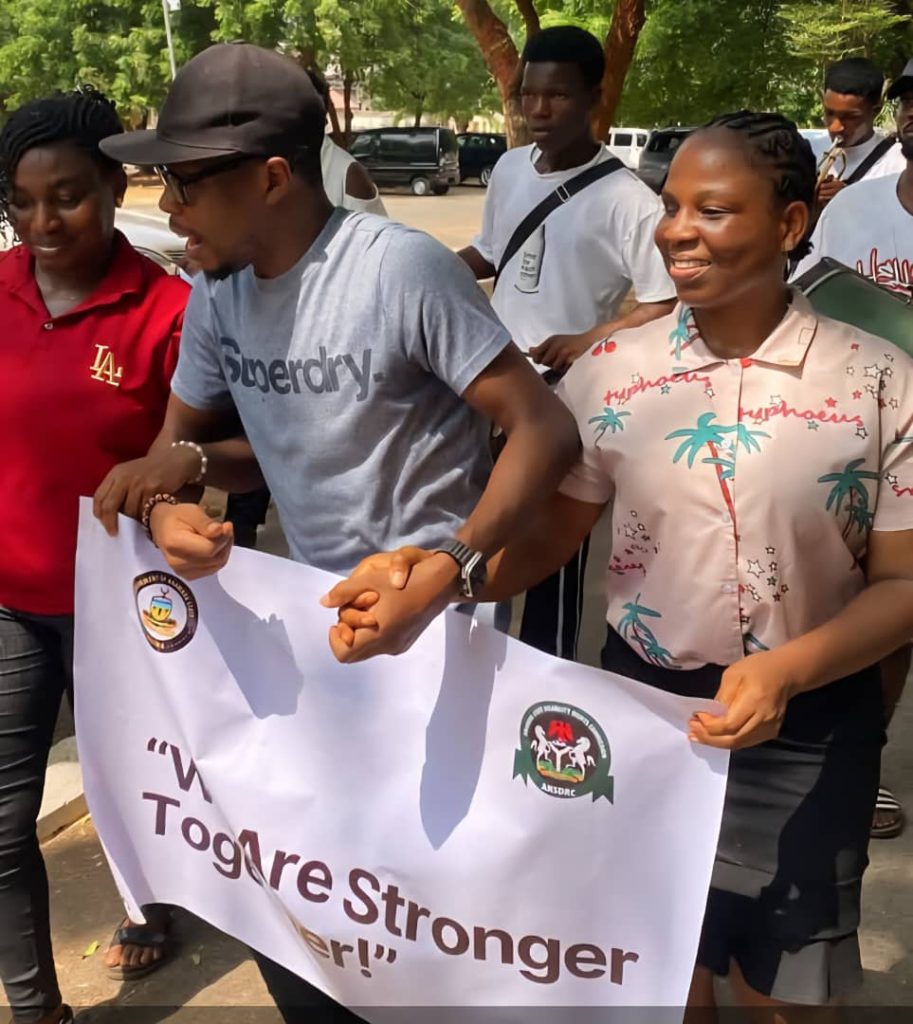
…As Anambra State’s Disability Rights Commission marks International Day

As the world marked the 2025 International Day of Persons with Disabilities (IDPD) on December 3, Anambra State found itself once again at the centre of the national conversation on inclusion. This year’s theme, “Fostering disability-inclusive societies for advancing social progress”, may sound lofty, but its message is simple: no society can truly develop if it leaves a significant segment of its population behind. The United Nations captures it more sharply in a mantra that has become the global creed of the disability community, “Nothing about us without us.”
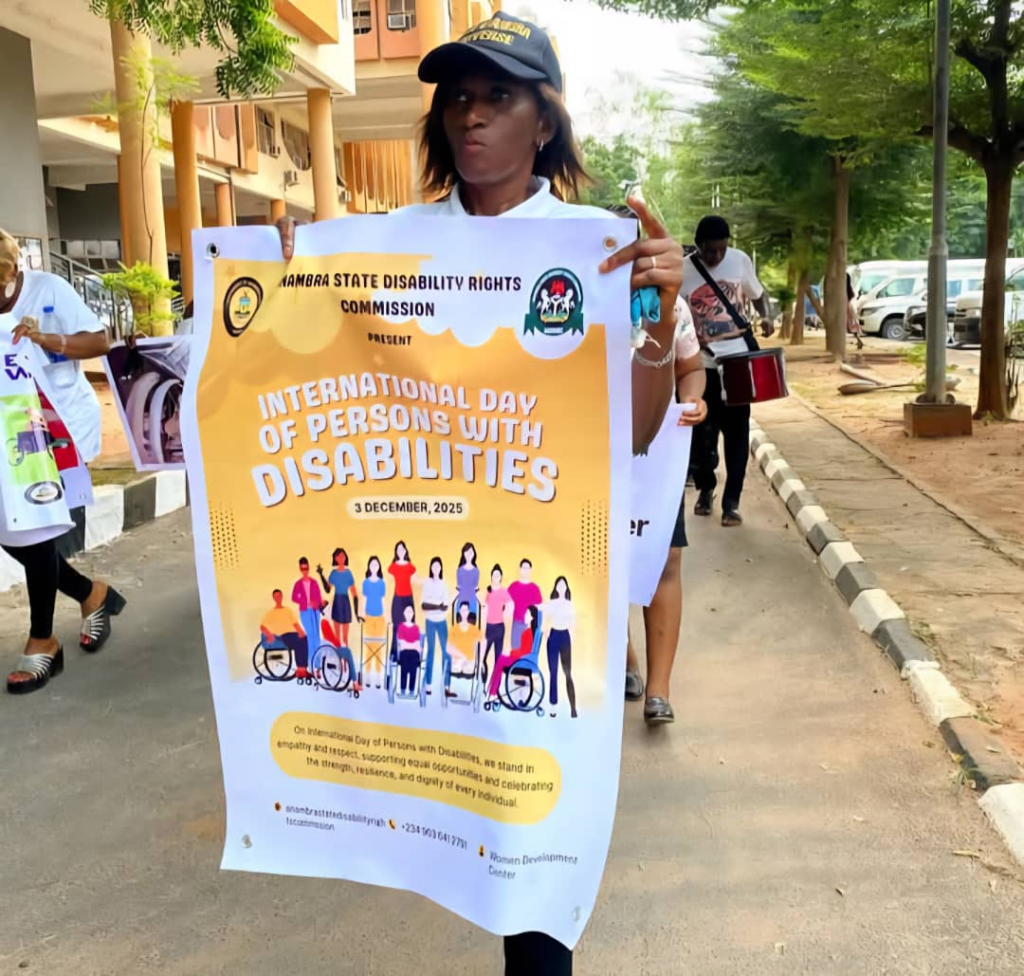
International gatherings in Berlin and Doha this year reached the same conclusion. Accessibility and inclusion are not optional extras; they are foundational to any serious development agenda. Berlin even proposed that 15% of global budgetary allocations should serve the 15% of the world’s population living with disabilities. It is a powerful reminder that inclusion must be embedded, not appended.

Against this backdrop, Anambra State stands out as a subnational government taking deliberate, structured steps toward disability inclusion. The recent election of Chukwuka Ezewuzie, Esq., Chairman of the Anambra State’s Disability Rights Commission, as both South-East Zonal Coordinator and National Vice-Chairman of the National Forum of Disability Commissions signals the recognition of Anambra’s leadership. His emergence was not an accident; it was earned.
Many forget how groundbreaking Anambra’s early moves were. In 2018, the state became the first in the South-East to domesticate the United Nations Convention on the Rights of Persons with Disabilities through its own Disability Rights Law. By 2021, the Disability Rights Commission was established under then-Governor Willie Obiano an institution designed not for symbolism but for enforcement, protection, and policy delivery.
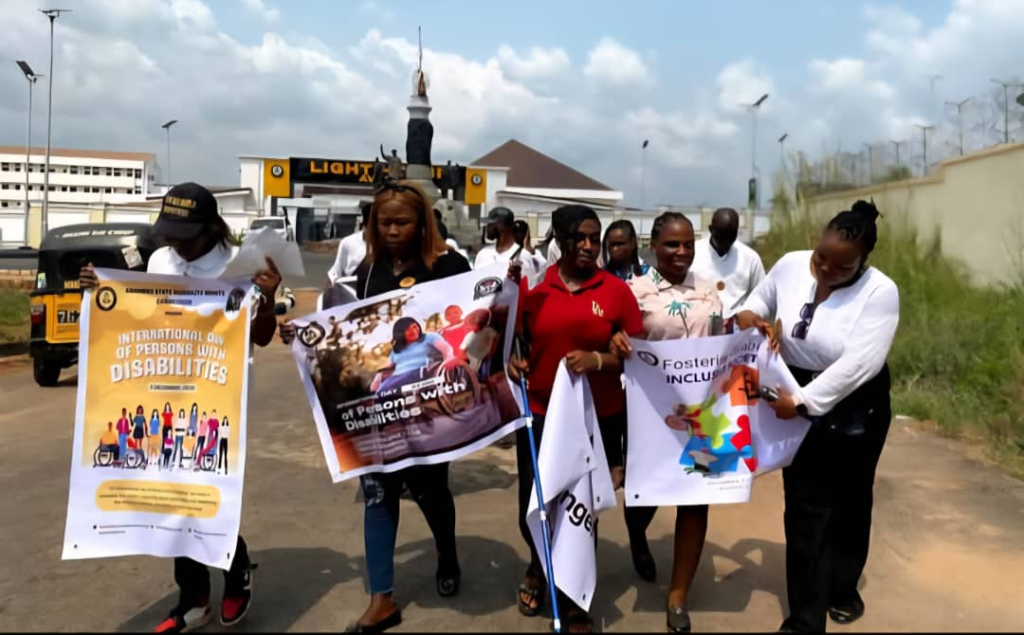
Those early decisions have yielded a domino effect. Anambra has since
appointed the first political officeholder with a disability to its Executive Council; produced the first visually impaired Permanent Secretary in West Africa and employed persons with disabilities into the civil service on an unprecedented scale.
These unprecedented steps by Obiano on disabilities inclusion inspired other states, Sokoto, Abia, Imo, Ebonyi, and Enugu, to follow with disability laws and commissions
From policy to appointments, Anambra has positioned itself as the “Light of the Nation” in more than slogan.
Governor Charles Chukwuma Soludo’s philosophy of Work, Invest, Relax, Enjoy, Develop, envisions a modern, humane and competitive homeland. The Anambra State’s Rights Disability Commission argues that this vision cannot be achieved without inclusion. A prosperous homeland must be an accessible homeland.
Yet the state’s own accessibility audit, supported by RoLAC, paints a sobering picture. Many public buildings, schools, hospitals and government offices remain inaccessible. Stigma persists. Employment remains limited. And enforcement of the Disability Rights Law is far from optimal.
In other words, Anambra has made significant progress, but it is not yet an inclusive state. Not fully. Not structurally.
Despite the challenges, the Commission has set out an ambitious, forward-looking plan that, if implemented, could place Anambra at the forefront of disability-inclusive development in Africa. They include:
- Inclusive education reforms and teacher training
- Strict accessibility enforcement in all new and existing buildings
- Economic empowerment programmes, including an Access Market Pavilion
- Disability counselling centres for families and learners
- Grassroots liaison officers in all LGAs and wards
- Free legal representation through specially trained lawyers
- Expanded advocacy and IDPD activities to build a culture of inclusion
These are not token gestures; they are structural interventions with the power to change lives and shift attitudes.
The Disability Rights Commission admits that the challenges are heavy, from funding gaps to implementation bottlenecks. Yet the vision remains clear – an Anambra where persons with disabilities participate fully in civic, social, economic, and political life.
As the world reflects on this year’s IDPD, one thing is certain: inclusion is not charity; it is development. And Anambra, with all its achievements and all its remaining gaps, sits at a pivotal moment, one where commitment must be transformed into sustained action.
The true test of leadership is not in what is promised or begun, but in what is completed. For the disability community, the opportunities of tomorrow depend on the courage and consistency of today.
If Anambra can stay the course, it may yet show the rest of Nigeria and Africa, what a truly inclusive society looks like.