Opinion
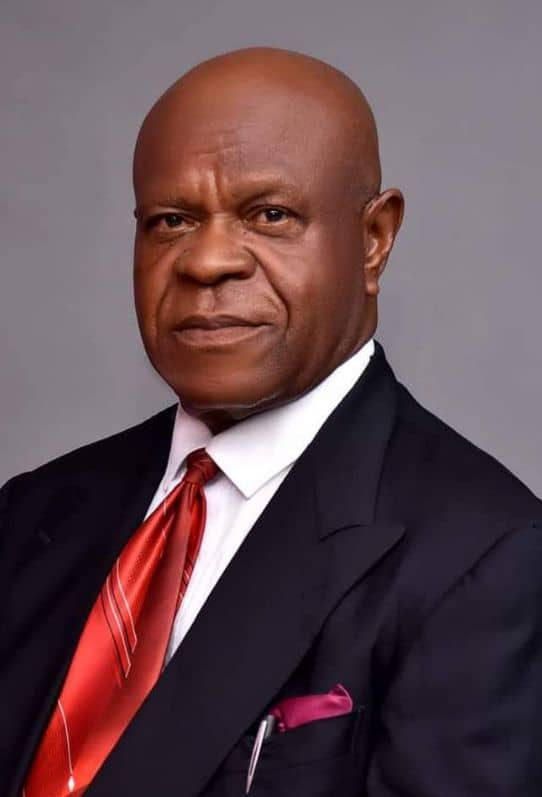
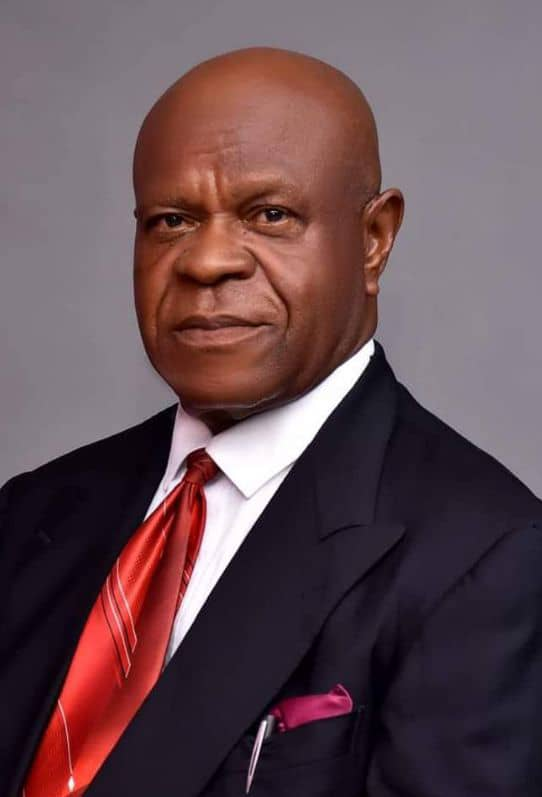
By Polycarp Onwubiko
The recent clash between the Minister of the Federal Capital Territory, Nyesom Wike, and a young military officer guarding a controversial plot of land has generated a flurry of misguided reactions. What is most astonishing is the number of people, including lawyers, who have chosen to denounce Wike’s tone rather than interrogate the constitutional implications of the encounter.
It is baffling that many do not seem to understand a basic principle of governance. Ministers represent the President of the Federal Republic of Nigeria when discharging official duties. Their actions are, by extension, presidential actions, and they are entitled to use firm language when the situation demands it. Attempting to “educate” a minister on how to address a junior military officer is not only impudent but reflects a deep ignorance of the structure and hierarchy of governance. One wonders whether these same critics would presume to lecture President Tinubu on his choice of words in the course of executing his duties.
The encounter between Wike and the military officer exposes a troubling failure among many Nigerians to grasp how government works and where various cadres of public officials stand in relation to the presidency. Even more shocking is the chorus of praise, some of it from respected civil society figures, showered on the young soldier for what they called “gallantry.” His conduct demonstrated the opposite. His posture, tone, and refusal to defer to constituted civil authority reflected a narrow training in “obey the last order,” a mantra that applies within military operations, not in engagements with civilian authorities.
No junior officer has the authority to obstruct a minister acting in his official capacity. At the very least, he should have allowed the minister access to the land and later reported to his superiors or the private individual he was “protecting.” Instead, his behaviour revealed another deeply problematic issue: the habitual misuse of military personnel for private assignments, in this case allegedly on behalf of a retired naval officer who, under the law, is now a civilian.
Equally troubling was the speed with which the military high command rallied in solidarity with the young officer, as if “esprit de corps” required applauding insubordination. Some even claimed he was a “chip off the old block,” praising the supposed bravery of his father. Such responses only highlight the rot that persists within certain institutions, institutions that should know, more than anyone, that ministers are the President’s representatives and therefore must be accorded appropriate respect.
One cannot ignore the underlying politics. Many politicians from the northern establishment have never hidden their resentment that the FCT ministerial portfolio went to the South, breaking the long-standing (though unconstitutional) tradition that viewed the FCT as a northern entitlement. Their embrace of the soldier, therefore, fits neatly into a broader political narrative.
Sadly, many southern commentators failed to see this dynamic. Instead, they joined the fray, cheering the soldier without understanding the constitutional stakes. If the officer had taken his misguided loyalty to its extreme, would he have shot the minister to “obey the last order”? Where would the praise have ended?
This entire saga underscores a long-standing failure of Nigerian presidents, past and present, to firmly assert civilian authority over the military. Out of fear of coups, many leaders looked the other way while soldiers behaved as though they were above the law. This culture of impunity is the same one that produced the tragedy in Okuama, Delta State, where soldiers razed a community, killed civilians, and yet the federal government has neither taken responsibility nor initiated a reconstruction plan for the traumatised survivors. Such silence is unbecoming of any government that claims to uphold democratic values.
The Abuja episode has, once again, exposed the deep levels of ignorance at play in public discourse. Even many lawyers demonstrated an alarming lack of understanding of modern governance structures. It must be emphasized that in a democracy, the military is subordinate to civil authority, never the other way around.
One day, Nigeria will hopefully have a president with the courage to reassert this fundamental constitutional truth and ensure that the military understands its place within a democratic framework. Until then, episodes like the Wike–soldier confrontation will continue to expose a troubling national blind spot, one where sentiment overrides law, where emotion replaces reason, and where ignorance is celebrated as heroism.