AlphaTimes EDITORIAL
Making money from products that could kill unsuspecting consumers is one of the most despicable forms of criminal profiteering. Counterfeiting alcoholic beverages and energy drinks is not merely commercial fraud; it is a grave public-health threat that demands urgent and uncompromising action.
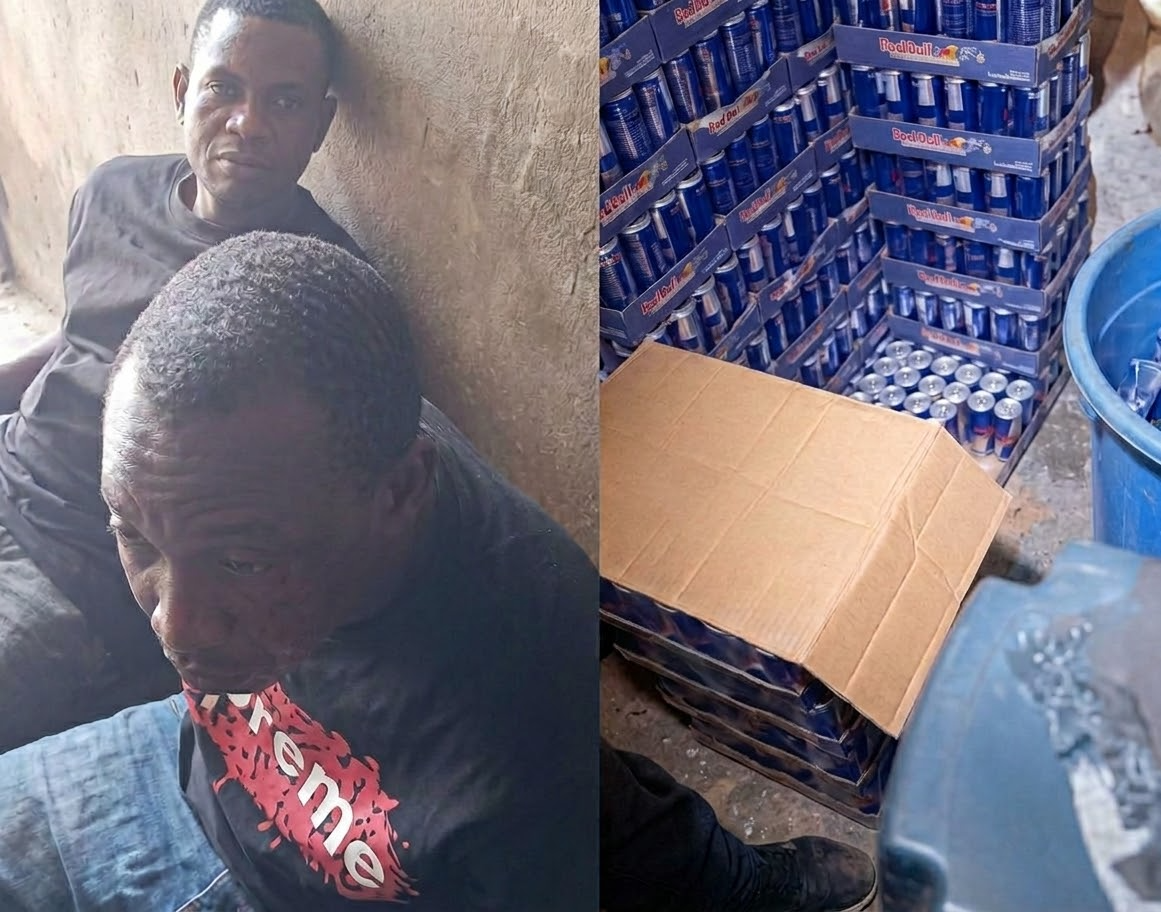
The recent discovery by the National Agency for Food and Drug Administration and Control (NAFDAC) of an illegal counterfeit drink production facility at Zamfara Plaza, Trade Fair Complex, Lagos State, underscores the magnitude of this menace.
NAFDAC reportedly seized more than 1,800 cartons of counterfeit and adulterated alcoholic beverages and energy drinks valued at approximately ₦350 million. Investigators uncovered makeshift production equipment, plastic mixing tanks, empty branded bottles, corks and packaging materials allegedly used to clone popular wine, whisky and energy drink brands. Two suspects, Chibuzor Okafor, 45, and John William, were arrested.
The implications are frightening. Consumers who purchase familiar brands expect products that meet acceptable safety standards. Counterfeiters betray that trust, potentially exposing unsuspecting Nigerians to poisonous substances for nothing more than illicit profit.
Knowingly passing off dangerous drinks as genuine products is a potentially lethal crime. NAFDAC has warned that consuming adulterated beverages can cause severe poisoning, organ damage and death.
Could contaminated counterfeit drinks be contributing to cases of kidney failure and other serious health complications in Nigeria? The possibility warrants scientific investigation. While no causal link should be asserted without medical evidence, the dangers of consuming adulterated beverages are real and potentially fatal.
We commend NAFDAC for this important breakthrough. But the agency must sustain and intensify its crackdown, pursuing not only illegal production facilities but also the financiers and distribution networks that keep counterfeit products in circulation.
The two suspects should be prosecuted without unnecessary delay if the evidence supports criminal charges. Investigations must be thorough, and anyone convicted should face the full penalties prescribed by law. Public safety must not be sacrificed to backdoor settlements or compromises.
The management of the Trade Fair Complex must also answer for how such an operation allegedly took root within its premises. What monitoring systems are in place? Who supervises the activities of tenants? Were there warning signs that went unnoticed or ignored?
Management cannot plead helplessness while businesses allegedly engage in activities that endanger the public within its domain. It must strengthen the monitoring of commercial activities, enforce tenancy regulations and promptly report suspicious operations to NAFDAC and other law enforcement agencies.
With the complex reportedly facing the threat of eviction by the state government, its management can ill afford further reputational damage. It must demonstrate that the facility is a centre for legitimate commerce, not a refuge for criminal enterprises. Any operator found engaging in illegal activities must face appropriate sanctions and lawful removal from the premises.
Consumers must also refuse to become unwitting victims of this deadly trade. Nigerians should purchase beverages only from reputable outlets, examine seals, labels and packaging for signs of tampering, and be wary of suspiciously cheap products or bottles whose contents, appearance or smell seem unusual. These precautions cannot guarantee authenticity, but they can help reduce exposure to risk.
Anyone who suspects that a drink is counterfeit or adulterated should not consume it or resell it. The product should be reported promptly to NAFDAC or the appropriate authorities, with relevant details about where it was purchased. Suspected products should be preserved safely for investigation rather than handled or tested at home. Anyone who develops symptoms after consuming a suspect beverage should seek urgent medical attention.
NAFDAC must make reporting suspected counterfeiting accessible, investigate complaints promptly and keep the public informed about confirmed cases and product recalls. Retailers must be held accountable for knowingly selling dangerous products, while legitimate manufacturers should strengthen supply-chain protections against imitation and tampering.
Ultimately, protecting consumers requires more than occasional raids. It demands sustained enforcement, public vigilance and accountability at every stage of the supply chain. No Nigerian should have to fear that a bottle of wine, whisky or energy drink purchased from a shop could become a source of poisoning or irreversible organ damage.
No profit is worth a human life. NAFDAC must keep the pressure on, prosecutors must ensure accountability, and the management of the Trade Fair Complex must put its house in order.
Fake drinks must be driven out of the marketplace. Nigerians must reject suspicious products, report suspected offenders and demand decisive action from the authorities. The health and safety of the public must always come before the greed of counterfeiters.