By Paul Nwosu
When Lagos sanitation teams fanned out across Alausa on July 1, sealing shops still hawking Styrofoam packs and wafer-thin nylon bags, it signalled more than a routine environmental sweep. After an 18-month transition, Africa’s largest city formally switched from persuasion to prosecution in its war on plastics thinner than 40 microns—the very items most likely to clog drains and disintegrate into micro-toxins. “There will be no reversal,” Commissioner for Environment and Water Resources Tokunbo Wahab warned at the rollout of full enforcement.
Lagos generates an estimated 870,000 tonnes of plastic waste every year, much of it settling in the lagoons that define the city’s coastline. Shoppers’ “nylon” bags alone take up to 500 years to break down, releasing fragments that have been detected in locally caught fish and even in human blood samples, according to marine biologists who briefed the state’s policy team. The city’s drainage department spends nearly one-third of its annual budget clearing plastics that block culverts and amplify flash floods. Wahab’s ministry argues that outlawing Styrofoam packs, straws, throwaway cups, cutlery, and very light carrier bags will reduce drain blockages by up to 45 percent within three rainy seasons.
It will also cut annual flood-damage bills, now about ₦110 billion, by at least ₦30 billion;
And shrink open-air burning of plastic waste and the attendant release of dioxins and CO₂.
The state insists the ban can create jobs rather than kill them. Its “Producer Responsibility Scheme” allows manufacturers that pivot to paper, cassava-starch, or reusable totes to claim tax incentives and soft loans, while informal waste pickers are being absorbed into a budding recycling chain for thicker PET bottles and sachet films.
Nigeria is the world’s ninth-largest source of plastic pollution, producing more than 2.5 million tonnes a year, 88 percent of which is never recycled. Since Bangladesh pioneered a similar ban in 2002, over 70 countries, from Rwanda to Canada, have restricted single-use plastics, and evidence shows marked drops in litter loads and urban flood frequency.
At the federal level, Abuja banned single-use plastics in government offices in June 2024 and has promised a nationwide phase-out, though enforcement remains tentative.

Few Nigerian cities illustrate plastic’s double sting (pollution and flooding) like Onitsha. Researchers surveying the commercial hub and surrounding suburbs found that nylon and sachet litter constitute “a serious environmental problem,” with gutters routinely blocked and neighbourhoods such as Fegge and Okpoko labelled “environmentally unconducive for living.” During the 2011 and 2022 flood seasons, blocked drains in Onitsha, Nnewi, Aba, and Port Harcourt turned heavy rains into chest-high torrents, paralysing markets and adding billions to road-repair costs. Polythene waste was a primary culprit.
Where plastics escape landfill, they flow straight into the River Niger system, whose fishery supports millions. A recent multi-river study found up to 1,691 microplastic particles in a single edible fish and 22,079 particles per litre of water at urban sampling points, levels far higher than those recorded in the Nile River. Long-term exposure threatens fisheries, human health, and even the region’s tourism potential.
What the South-East could gain by 2030 if its major cities adopt Lagos-style rules to stop single-use plastics are many.
First, it will translate to less plastic in the River Niger. As of 2025, around 110,000 tonnes of plastic waste end up in the River Niger and its tributaries every year. But with a ban, experts believe that number could drop to 35,000 tonnes or less. This is important because less plastic in the water means cleaner rivers, safer fish, and healthier communities.
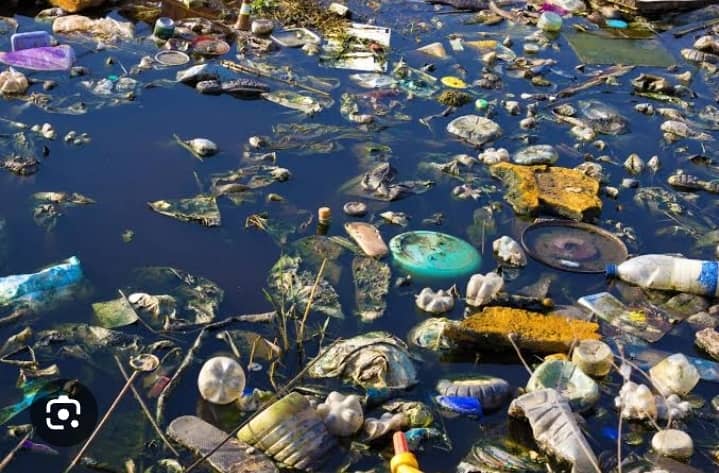
Secondly, there will be fewer floods in busy market areas, which are many in the South-East. Currently, major markets in the region experience 12 to 15 serious floods each year due to blocked drainages. But with a ban, floods could drop to fewer than 5 per year or could even stop entirely. This matters because less flooding means fewer disruptions to business, less road damage, and safer streets.
Thirdly, there will be more jobs in recycling and eco-friendly packaging. Right now, about 8,000 people in the region work in recycling or making greener packaging. With a ban, that number could grow to over 40,000 jobs. More people would earn a living by helping protect the environment.
Fourthly, there will be safer fishes in our markets. Right now, fish sold in markets can contain up to 1,700 tiny plastic particles inside them. Experts believe that with a ban, that number could fall to fewer than 250 pieces per fish. Less plastic in the fish we eat means healthier food for families and fewer long-term health risks.
In simple terms, banning harmful plastics in the South-East could mean cleaner rivers, fewer floods, more jobs, and safer food. It’s not just good for the environment, it’s good for our wallets, businesses, and health too.
This is the time for policymakers in the South-East to do the needful: phase out single-use plastics. Lagos gave industry 18 months before enforcement, coupled with import-duty waivers on machinery for paper, bamboo, or cassava-based packaging. Similar steps will ease the transition for Onitsha, Nnewi, Aba, and other clusters of heavy plastics users.
They should also adopt Extended Producer Responsibility (EPR), where large distributors are mandated to finance collection schemes. Transparent EPR levies can fund community recycling hubs.
Governments could start by sanctioning the low-hanging offenders, such as Styrofoam food packs and nylon bags under 40 microns, which account for most drain blockages. That category should be banned first. Retain exemptions for PET bottles pending viable alternatives.
Market associations with strong internal organs should be co-opted to ensure that the policy succeeds.
There should also be back-up policing and prompt prosecution. Lagos pairs its ban with mobile magistrate courts and ₦250,000 fines. Similar rapid-response teams under Waste Management Authorities in the South-East can ensure that offenders are swiftly punished.
Governments should encourage investments to support startups converting PET and sachet films into fibre or paving blocks, replicating the 10,000 green jobs USAID projects nationwide.
Lagos’ crackdown is more than an environmental gesture, it’s an economic resilience plan that frees drainages, safeguards fisheries, and seeds a circular economy. Onitsha and other South-East commercial powerhouses stand to gain even more: fewer catastrophic floods, cleaner waterways, new green-collar jobs, and a healthier workforce.
The choice is no longer between commerce and conservation; it is between clinging to a disposable past or investing in a sustainable, flood-resistant future.
*Paul Nwosu, PhD, writes from Awka.