By Regina Igwebuike/Chukwudi Nwauba :
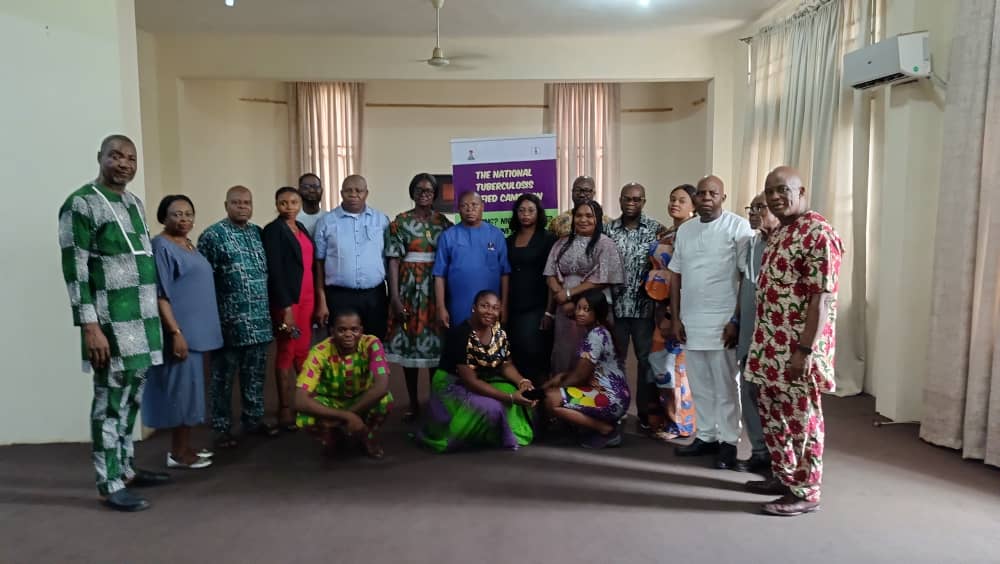
The USAID-Breakthrough Action- Nigeria in collaboration with National Tuberculosis, Leprosy Control Programme (NTBLCP) had demanded for more robust grassroots orientation and sensitization on Tuberculosis (TB) from media personnel.
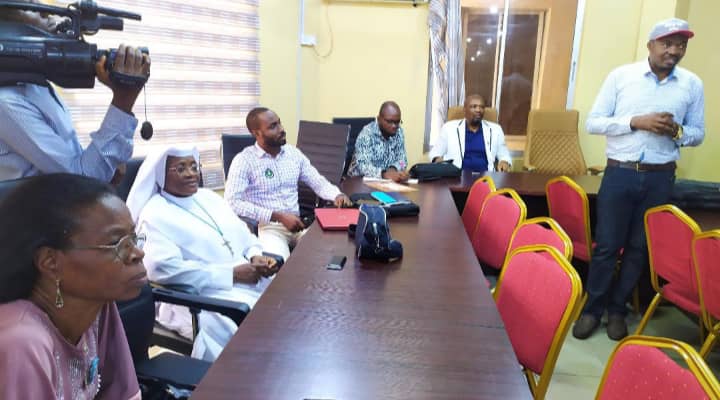
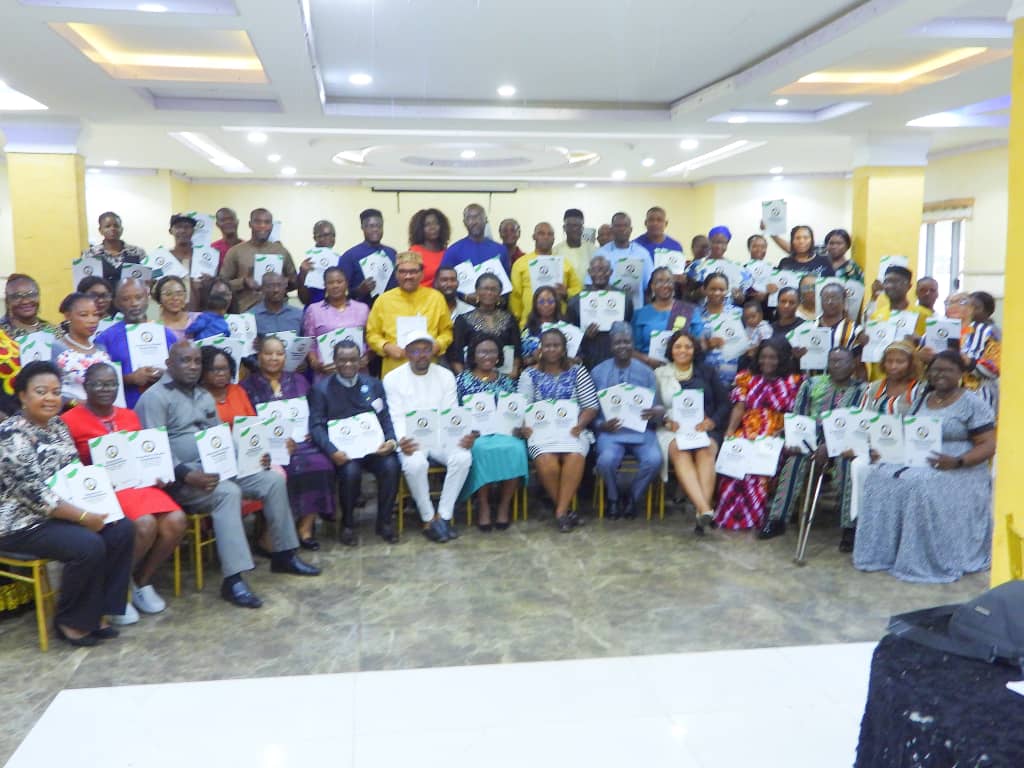
Speaking during a one day Orientation Programme on TB organized for Media Personnel at the IDK, Awka on April 19, Mrs Stella Eke, Public Health Department, Federal Ministry of Health said that TB is the top infectious killer globally.
Eke explained that the workshop is aimed at increasing media knowledge on the TB disease/control in Nigeria; improve quality on media reporting on TB; build capacity of media personnel on human centered reporting; and strengthen linkages between media and TB team.
She said that TB is a communicable disease which has been present in humans since ancient times and usually caused by mycobacterium tuberculosis.
According to her, the disease affects the lungs (pulmonary) but it can also affect other parts of the body.
She noted that TB patients are being stigmatized, which impedes their access to medical care resulting to delay in seeking medical care, developing more serious symptoms and are more likely to transmit the disease to more people.
While soliciting for support from community, family, health facilities, faith based organisations, peers and NGOs, Eke pleaded with media personnel to raise public awareness on the devastating health, social and economic consequences of TB and to step up efforts to end the global TB epidemic.
She, then, urged people who suspect symptoms of TB to seek medical help or call the HOTLINE 3340.
Earlier, the Programme Manager, Anambra State TB, Leprosy and Buruli Ulcer Management, Dr Ugochukwu Chukwulobelu said that 8,000 reported cases were currently being treated at the 800 health facilities in Anambra, which made Gov. Charles Soludo to focus on ensuring that the programme was given the necessary attention to end the scourge.
Chukwulobelu emphasized that the current treatment for all forms of TB is free, blaming lack of funds and low awareness for the high burden of TB in Anambra State, a disease he said is one of the top 10 causes of death worldwide, which Nigeria was classified as number one country with a high burden of TB in Africa and number six globally.
According to him, no fewer than 18 Nigerians die every hour of TB and one case of untreated TB can infect between 10 to 15 persons per day.
“Anambra is among the high burden States in Nigeria and it is imperative to seek for the media collaboration in order to sensitize the public on the prevention, causes and system of TB.
“TB is treatable and curable if detected early and may lead to death if not detected and treated early and this is why we want to equip our people with the right knowledge to avoid casualties from TB cases.
“Persistent or chronic cough of more than two weeks which may come with blood- containing mucus, fever, drenching night sweats and weight loss are some of the major symptoms of TB,” he explained.
Speaking on children’s TB, Dr Chijioke Oke of KNCV- Nigeria said that children living with adults who have TB, children who are HIV positive and children who are malnourished are at risk of getting TB.
He listed failure to thrive or gain weight, persistent fever, cough of two weeks or more and close contact with anyone with TB as some of the signs/symptoms suggestive of TB in children, explaining that a child who is infected with TB but has high immunity will have the disease suppressed in the body.
He urged media personnel to regularly sensitize the general public on child TB, develop and air contents to dispel stigma and discrimination against TB affected individuals and families as well as advocate for more funding for childhood TB control.
Mr Iheanacho Oji of the USAID-Breakthrough Action- Nigeria enjoined media personnel to always write human angle story as it would allow the audience to engage with the content to feel something, form connection with the story through emotions that could arouse empathy, compassion, love, others.
The information officers report from Awka