By Chukwuka Ugokwe :
A cross section of beneficiaries of the state government distribution of oil palm and coconut seedlings has pledged to support the initiative to facilitate optimal productivity across the state.
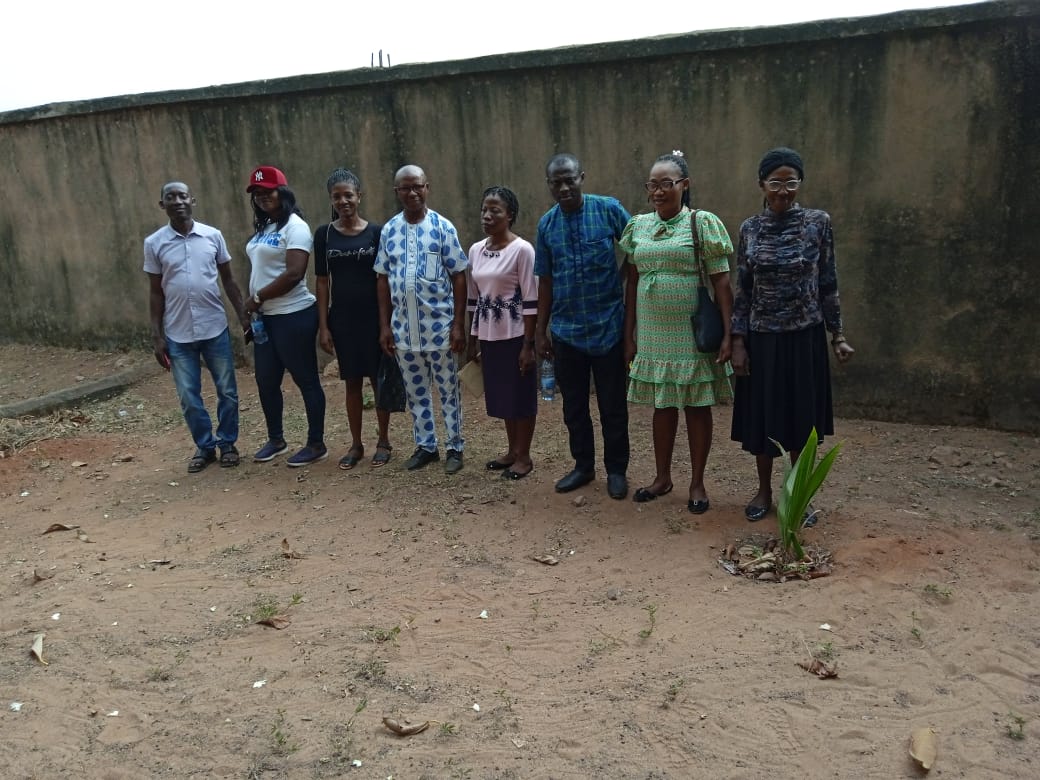
The Stakeholders including Principals of Secondary Schools and Heads of Institutions, made the commitment, during inspection visits carried out by the State Ministry of Agriculture Team to monitor performance of distributed seedlings.
While commending the state government for giving them opportunity to create consistent income through the programme, they noted that though the seedlings arrived late last year, there were able to plant them according to specified techniques to ensure their survival.
In their separate comments, the principal of Community Secondary School, Isuaniocha and the Vice Principal of Community Secondary School, Ajalli, Mr Ben Madu, noted that they recorded success stories in their schools by using correct planting techniques, applying organic manure and constant watering.
“We have to continue by applying organic manure and water them on daily basis to ensure that they survive, because we hoped that if they survive now, we will be given more seedlings.
“We thank God for the state government for having the vision to introduce this project. We are hopeful that this year more seedlings will be distributed and on time”
According to Principals of Holy Cross High School, Umuawulu, Mbaukwu, Mrs Amaka Anekwe and her Community Secondary School, Awgbu, counterpart, Sister Stella Mary Nwafor, they will sustain strategies to guarantee the survival of the seedlings.
They lauded government for supplying them with the seedlings in its bid to move the people from oil to agriculture in revenue generation, noting that in less than four years, there will be mass Coconut production in the state.
The Commissioner for Agriculture, Dr Foster Ihejiofor, who spoke through his Technical Assistant and Leader of the Inspection Team, Mr Ifeanyi Nwaegbo, reiterated government commitment to continue to strengthen measures aimed at boosting the productivity of the produce.
He lauded schools, Institutions and communities that have recorded success stories so far, but quickly noted more effort needed to be done by some of the beneficiaries to ensure survival of the seedlings as government spent so much to procure them.
“We found out in some areas that what they need to do is to water them constantly, they just have to do that because most of the seedlings are still alive though appeared dry will all come up again”
While describing the outcome of the visits as impressive, he specifically commended schools that took ownership of the seedlings by adopting survival intervention measures despite having challenges.