(First published on May 18, 2026)
By Paul Nwosu, PhD
This decline is particularly tragic given Nigeria’s extraordinary artistic heritage. Ancient Nok terracottas demonstrated remarkable sculptural sophistication centuries ago. The Benin Bronzes remain globally celebrated for their intricate craftsmanship. Igbo-Ukwu bronze works astonished archaeologists with their technical excellence and artistic complexity, the list goes on.
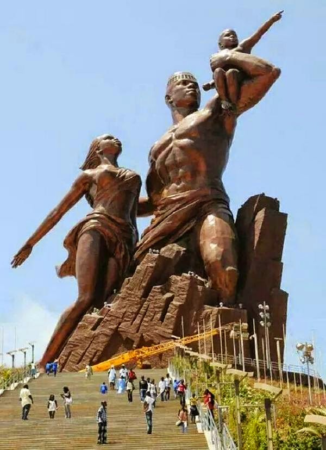
Nigeria is therefore not lacking in artistic ancestry.
Indeed, the country still possesses sculptors capable of competing internationally. Several Nigerian artists continue to receive global recognition in galleries, museums and academic institutions across the world.
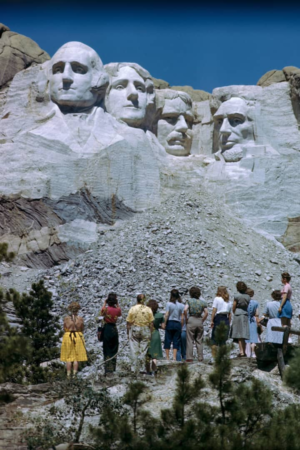
The question then becomes: why does public monumental sculpture within Nigeria increasingly fall below acceptable standards?
Some practitioners blame chronic underfunding. Governments often award contracts without adequate provision for quality materials, structural engineering, environmental treatment, artistic detailing and maintenance. Under such conditions, the old saying naturally applies: when peanuts are offered, monkeys are attracted.
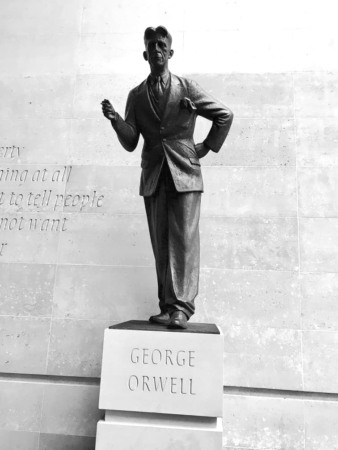
But funding alone cannot explain the crisis. There is also a disturbing collapse of standards, supervision, artistic integrity and institutional accountability. Even some universities with Fine and Applied Arts departments occasionally produce public sculptural works of shockingly poor quality. This raises uncomfortable questions about curriculum relevance, practical training, mentorship and professional regulation.
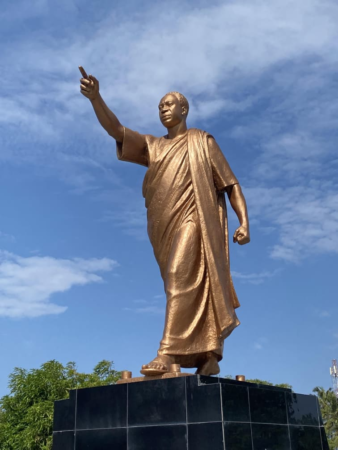
Ironically, Nigeria’s post-independence era often produced more enduring public artworks than many contemporary efforts.
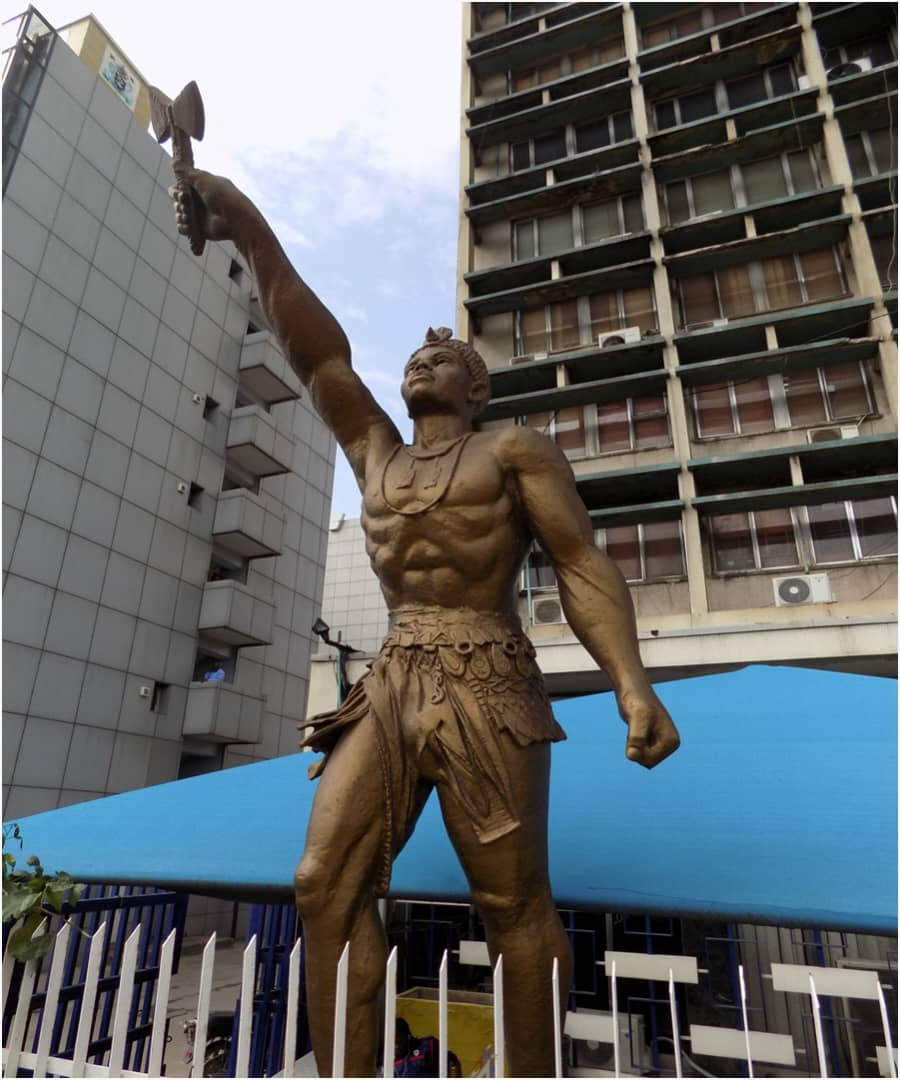
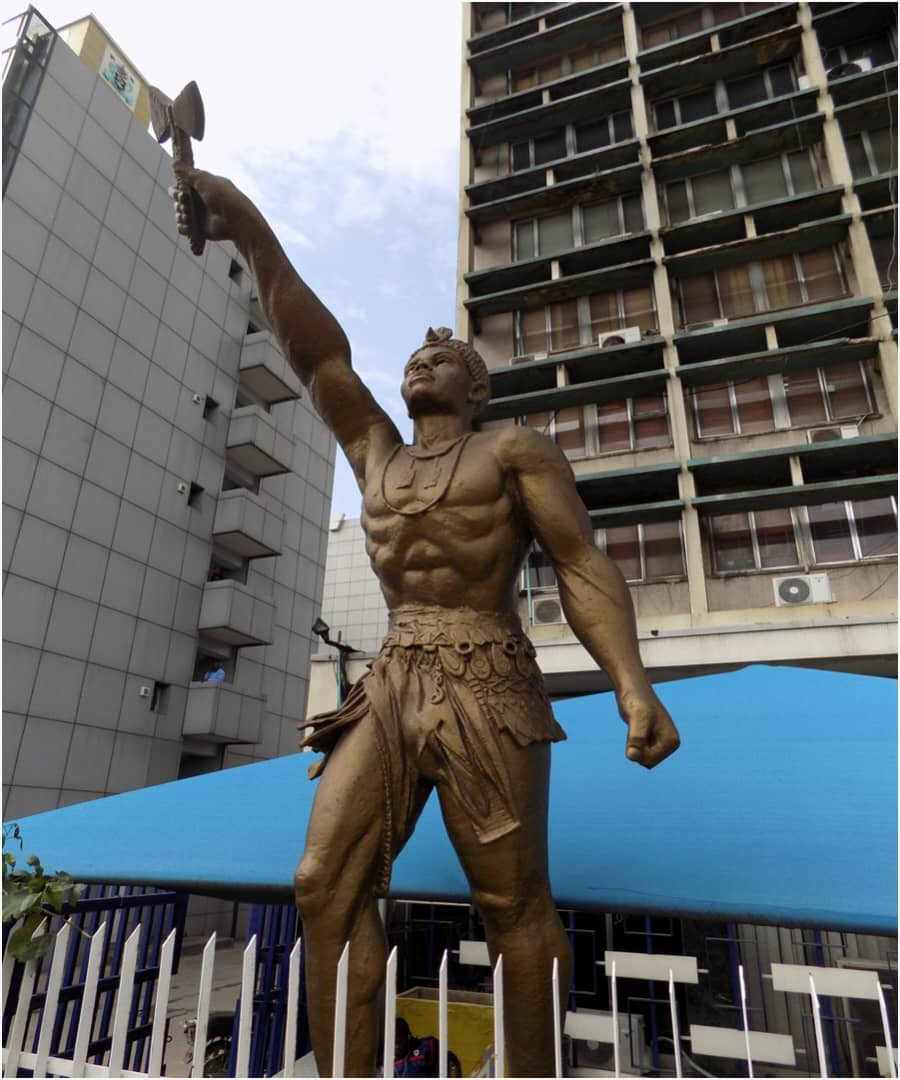
Ben Enwonwu’s iconic “Sango” sculpture at the former Electricity Corporation of Nigeria headquarters in Lagos remains a landmark of modern Nigerian art. The General Yakubu Gowon era also witnessed the installation of notable monumental works, including the famous stallions at the old Lagos Race Course and several symbolic sculptures across Abuja, Enugu and Calabar.
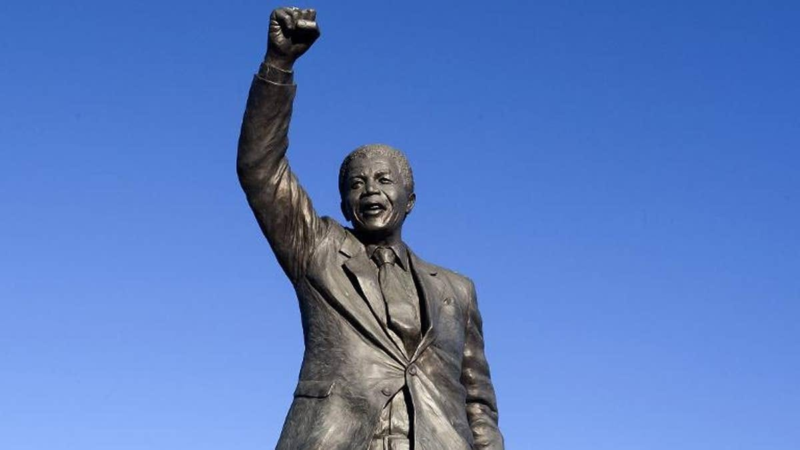
Those works reflected ambition, artistic seriousness and national confidence.
Nigeria is equally blessed with naturally sculpted geographical landmarks capable of becoming world-class tourism destinations. Ogbunike Cave in Anambra State, Olumo Rock in Abeokuta, Zuma Rock in Abuja, Awhum Waterfall and Cave in Enugu State, Idanre Hills in Ondo State, Matsirga Waterfalls in Kaduna State, Farin Ruwa Waterfalls in Nasarawa and the Riyom Rock formations in Plateau State all possess immense ecological, historical, geological and tourism value.
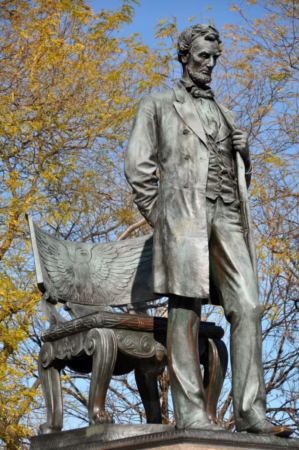
Yet many remain neglected, poorly managed or inadequately protected.
Unlike countries that deliberately preserve such locations as national heritage destinations, Nigeria often abandons its treasures to erosion, vandalism, encroachment, poor infrastructure and administrative indifference. Some have even become hideouts for criminal elements and terrorists.
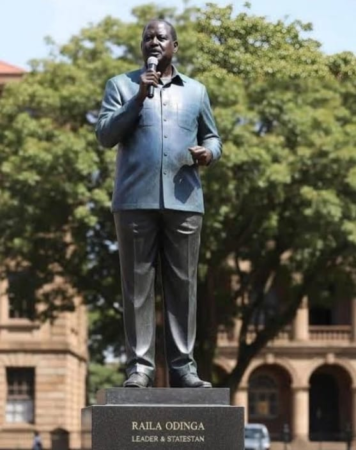
Countries that properly manage monuments and heritage sites reap enormous socio-economic benefits such as tourism revenue, employment generation, infrastructure development, cultural preservation, educational advancement, foreign exchange earnings and international image building.
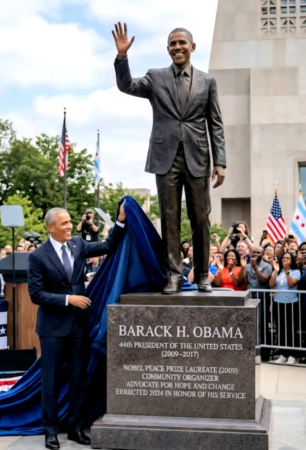
Nigeria, unfortunately, continues to underutilize this sector despite possessing extraordinary cultural and natural assets.
The country urgently needs a cultural reawakening regarding public art and monumental heritage.
Governments, architects, engineers, artists, universities and cultural institutions must collectively rethink standards. Public sculpture should no longer be treated as hurried roadside decoration executed merely to satisfy political timelines.
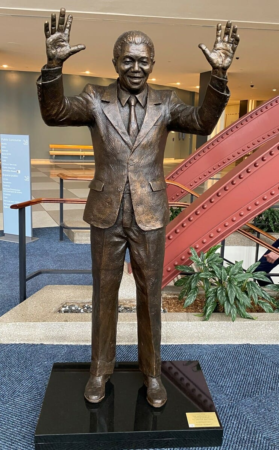
In the light of this several reforms are necessary. Nigeria needs enforceable national standards governing public monumental sculpture. Standards covering materials, durability, aesthetics, engineering integrity, environmental compatibility and artistic quality.
Major public sculptures should emerge through transparent national competitions involving reputable sculptors, architects, historians, engineers and cultural experts.
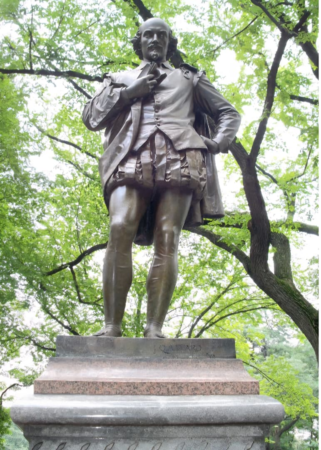
Quality monumental works require serious funding. Durable materials, structural integrity, environmental treatment and maintenance plans are expensive but indispensable.
Maintenance culture must also become institutionalized. Monuments require periodic conservation, cleaning, restoration and structural monitoring.
Fine and Applied Arts departments should place greater emphasis on monumental sculpture, material science, public art, structural techniques and contemporary design standards.
Nigeria must also integrate its natural and man-made heritage assets into comprehensive tourism masterplans supported by infrastructure, environmental preservation, marketing and private-sector participation.
Above all, public office holders must learn to think beyond commissioning ceremonies and contract cycles. Great monuments are built for centuries. Every civilization leaves visible footprints behind. The quality of a society’s monuments reflects the seriousness of its cultural consciousness.
The great civilizations of the world understood that monuments are not mere decorations. They are statements of identity, repositories of history, instruments of tourism and symbols of national pride.
Nigeria possesses the artistic heritage, natural endowments, intellectual capacity and creative talent to produce world-class monumental works. What is increasingly missing is collective commitment to excellence, professionalism, durability and legacy.
If properly harnessed, Nigeria’s sculptural heritage, both natural and man-made, can significantly transform tourism, employment, urban aesthetics, cultural preservation and national image.
But as long as public art continues to prioritize haste over craftsmanship, contracts over culture and mediocrity over mastery, many of our cities will remain populated not by monuments worthy of history, but by weather-beaten mannequins masquerading as civilization.