By Charles Nwoke || AlphaTimes
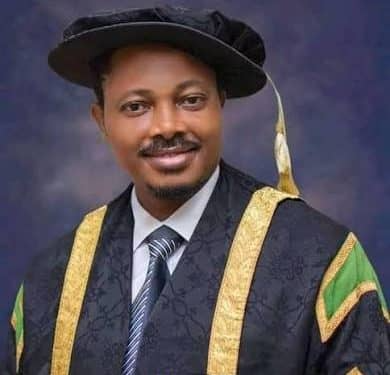
Nigeria is losing more than 600,000 people every year to problems associated with the administration and availability of medical oxygen, the Vice Chancellor of David Umahi Federal University of Health Sciences (DUFUHS), Ebonyi State, Professor Jesse Uneke, has said.
Uneke disclosed this in Abakaliki during the First Stakeholders’ Engagement Event and Co-Creation Workshop on the Medical Oxygen Economy organised by DUFUHS in partnership with the University of Edinburgh, United Kingdom, with support from the National Institute for Health and Care Research (NIHR), UK.
He said the scale of preventable deaths linked to medical oxygen highlights the need for stronger collaboration among researchers, policymakers, hospitals, health professionals and other stakeholders involved in Nigeria’s medical oxygen sector.
According to Uneke, stakeholders in the medical oxygen space have lacked an effective platform for discussing the research-policy interface and adapting evidence-based strategies to Nigeria’s specific health system challenges.
“That is why, in this phase of this project, we have decided to start with this kind of stakeholders’ engagement. I am excited that we have every key stakeholder in the medical oxygen space represented here,” he said.
The engagement forms part of the second phase of the EQUI-RESP Africa Research Project, which focuses on improving respiratory disease outcomes through data-driven interventions and stronger health policies.
The EQUI-RESP Africa project is a four-year global health research programme running from 2024 to 2028. It is coordinated by the University of Edinburgh and funded by the NIHR. The project is being implemented in Nigeria, Cameroon, Côte d’Ivoire, Kenya and South Africa, with Nigeria having research centres in Ebonyi and Lagos states.
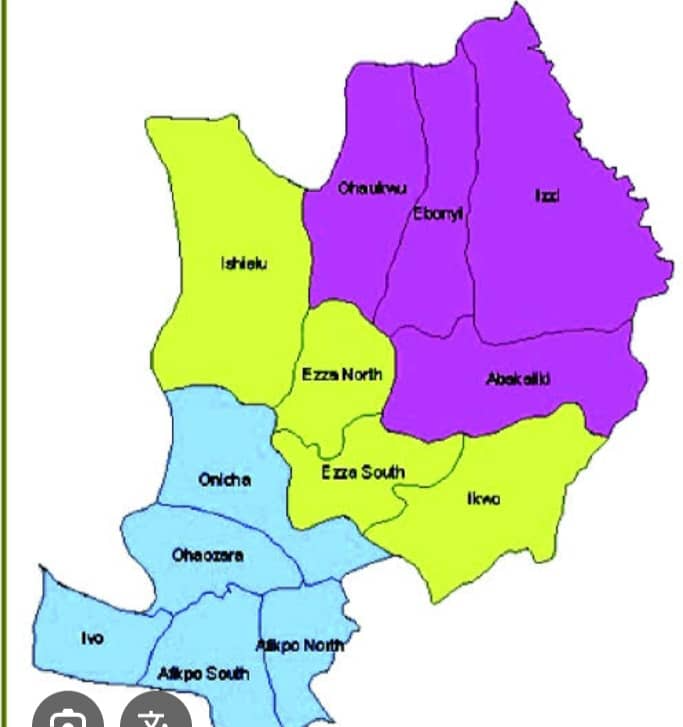
Uneke said the first phase of the project focused on community-based respiratory health interventions in three industrial locations in Ebonyi State. These included the quarry industrial site in Onueke, the Abakaliki rice mill and the timber market.
He said the research team provided free screening and treatment to between 300 and 400 people during the interventions. Beneficiaries also received inhalers, free diagnoses and guidance on managing their respiratory health.
The project has previously provided free respiratory disease screening and treatment to communities and workers in Ebonyi. In March 2026, DUFUHS and its partners began another intervention at the Abakaliki Rice Mill, where the first 200 people diagnosed with respiratory diseases were targeted for free treatment.
The EQUI-RESP Africa programme aims to reduce deaths, disabilities and other health and social consequences associated with respiratory diseases across Africa. Its research areas include asthma, chronic obstructive pulmonary disease, pneumonia, tuberculosis, lung cancer and COVID-19.
Uneke said the project was now moving from community-based interventions to hospital-based research, with medical oxygen becoming a major area of focus.
“We are now getting into the second phase. We have moved from the community-based project to the hospital-based phase. In this hospital-based phase, we are focusing on medical oxygen and the medical oxygen economy,” he said.
He described medical oxygen as an area that has not received sufficient attention within Nigeria’s health sector, despite its importance in treating patients suffering from severe respiratory conditions and other illnesses requiring oxygen support.
Uneke said the reported annual death toll linked to medical oxygen challenges was particularly concerning because many of the deaths could be prevented through better oxygen infrastructure, effective administration, adequate supply and stronger health system policies.
He also explained that Ebonyi State was selected as one of the project locations because of the state government’s willingness to support research and health partnerships.
The vice chancellor commended Governor Francis Nwifuru for creating an environment that allows development partners and research institutions to implement health projects in collaboration with the state government, universities and teaching hospitals.
He also praised the state Commissioner for Health and other institutions involved in improving healthcare delivery in Ebonyi.
The Chief Medical Director of Alex Ekwueme Federal University Teaching Hospital, Abakaliki (AE-FUTHA), Professor Robinson Onoh, described EQUI-RESP Africa as a multi-country and multi-centre research project involving researchers and institutions across Africa.
Onoh commended Governor Nwifuru for supporting the development of medical oxygen production facilities in Ebonyi State.
He said the state previously had no oxygen production facility but now has multiple centres producing medical oxygen as a result of the enabling environment created by the current administration.
According to him, the COVID-19 pandemic exposed serious weaknesses in Nigeria’s medical oxygen supply system because hospitals faced increased demand for oxygen as the number of critically ill patients rose.
Onoh said AE-FUTHA is among the institutions in Ebonyi State with an oxygen production centre.
The development of local oxygen production capacity is significant because reliable access to medical oxygen remains essential for managing severe respiratory illnesses, emergency cases, surgical procedures and other conditions requiring oxygen therapy.
The EQUI-RESP Africa project has continued to expand its respiratory health interventions in Ebonyi. Previous project activities have included free screening, treatment and lung-function assessments, with researchers also collecting evidence to support health policies tailored to local respiratory health challenges.
The medical oxygen economy workshop is therefore expected to bring together evidence from researchers and practical experience from hospitals and other stakeholders to identify gaps in oxygen production, distribution, access and administration.
Uneke said the ultimate objective was to develop strategies that would improve respiratory health outcomes and ensure that research evidence translates into policies and interventions capable of reducing preventable deaths in Nigeria.