By Chukwuka Ugokwe/ Nnedinma Okeke/ Grace Onwukwe/ Chiamaka Edokwe :
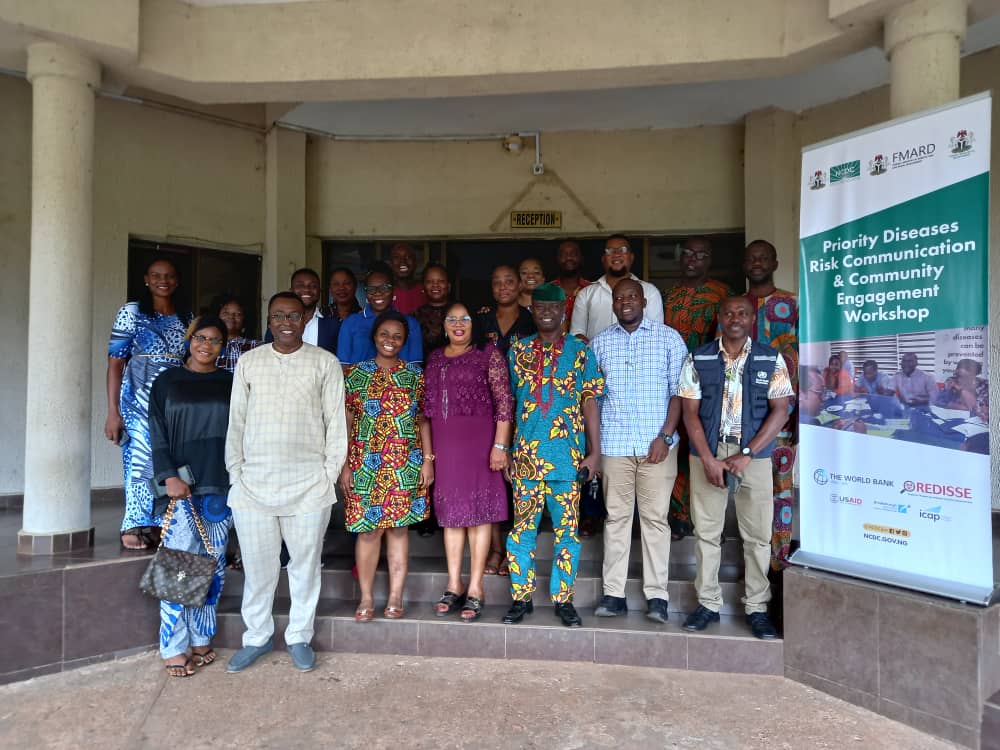
Participants at a training organized by Nigeria Centre for Disease Control (NCDC) have identified Lassa fever, Monkey Pox (Mpox) and Rabies as priortised zoonotic diseases that need sustained intervention measures to mitigate further spread in Anambra State.
The participants drawn from relevant Ministries, Agencies and Departments from the state under “One Health” collaborative approach, underscored the importance of deployment of effective communication tools to achieve desired results.
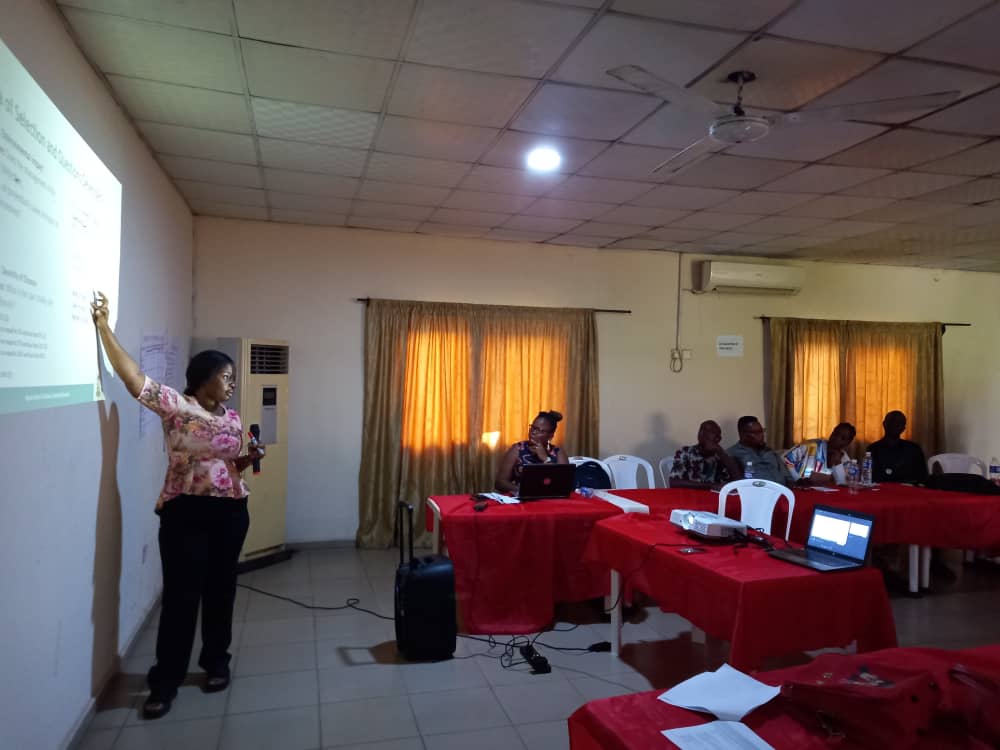
Rising from a three-day training on Zoonotic Diseases Risk Communication and Community Engagement (RCCE) held in Awka with support from World Bank through REDISSE, participants affirmed their commitment to utilize knowledge garnered to influence Social Behavioural Changes (SBC) that could help control spread of the priortised diseases.
Senior Health Educator, Nigeria Centre for Disease Control, Mr Michael Okali explained that the training was all about building the capacity of sub- national stakeholders on creating and developing messages that could be used during response to outbreaks.
“This would enable them to be less dependent on messages that are being created by national stakeholders.
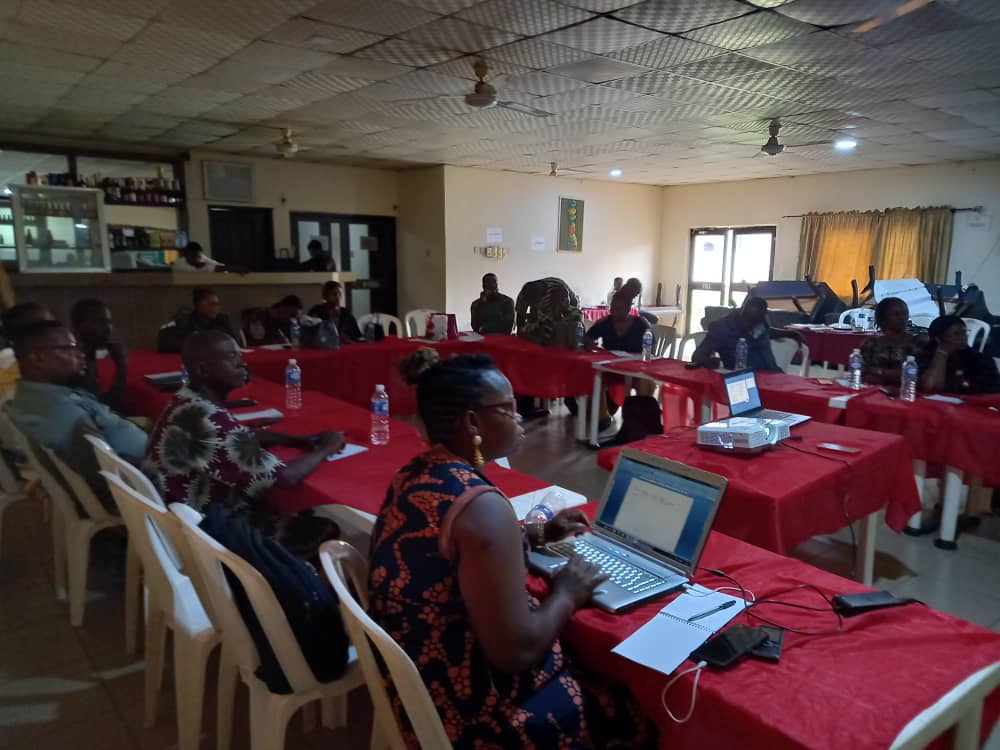
“A lot of scores and some tools were deployed to ensure that discussions of the aforementioned diseases were reached based on severity and epidemiological factors to ensure we come to a conclusion that the three diseases are of priority in the state,” Mr Okali explained.
He added that the next step would be to develop a report and findings from the training, gather stakeholders so as to properly disseminate the information which would cause partners to offer technical support and build a robust intervention system.
In a Goodwill Message, the Executive Secretary, Anambra State Primary Health Care Agency (ASPHCDA), Pharm Chisom Uchem, noted that the training centred around risk communication would drive the goal of achieving One Health concept in the state.
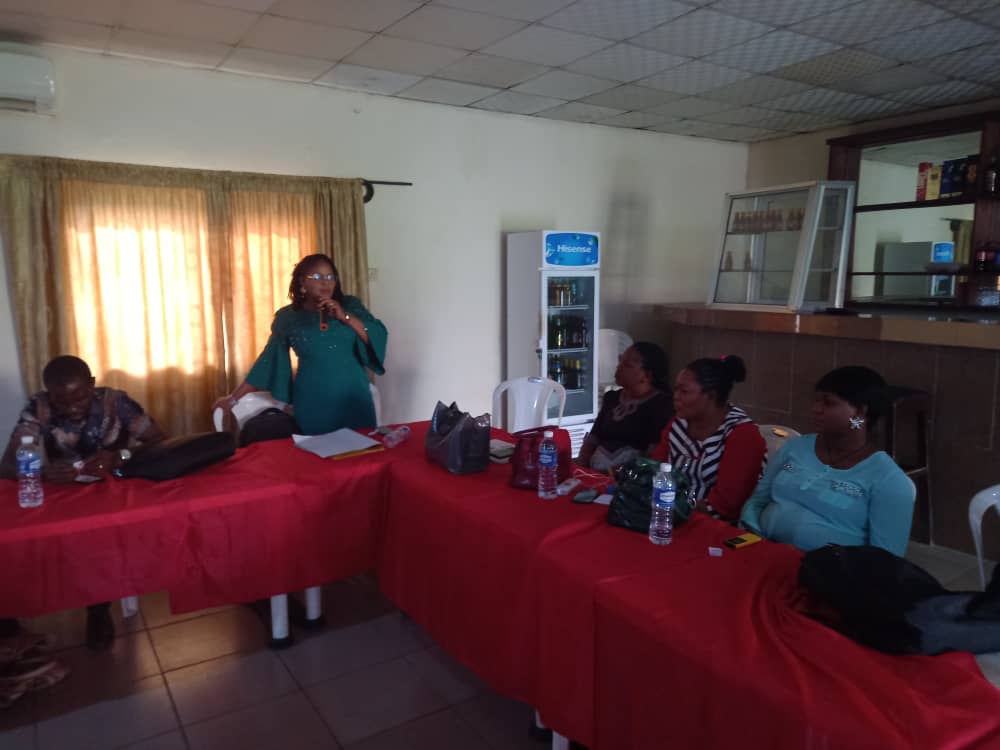
“The Primary HealthCare Centres (PHC’s) is about community ownership, engagement and participation, so the One Health approach will be felt in the Centres,” she assured.
Earlier in a welcome remark, the State Director of Public Health, Dr Afam Anaeme, commended the organizers for considering the state worthy to stage the training.
He, however, expressed optimism that the outcome would add value to the health system.
Mrs Uju Onwuegbuzina, Anambra State Health Education Officer while commending the facilitators and participants, thanked the partners; NCDC, WHO, UNICEF and SYDANI for their contributions toward the One health goal in the state.
The training featured the state situation report presentations on Rabies, Monkey Pox (MPox) and Lassa fever by Dr Chukwunonso Umeononigwe, Principal Veterinary and Surveillance Officer, Ministry of Agriculture, Mrs Theresa Nwafor, Senior Environmental Health Officer, Ministry of Environment and Dr Chuma Enembolu, State Epidemiologist, Ministry of Health respectively.