By Ikpechukwu Ojobor
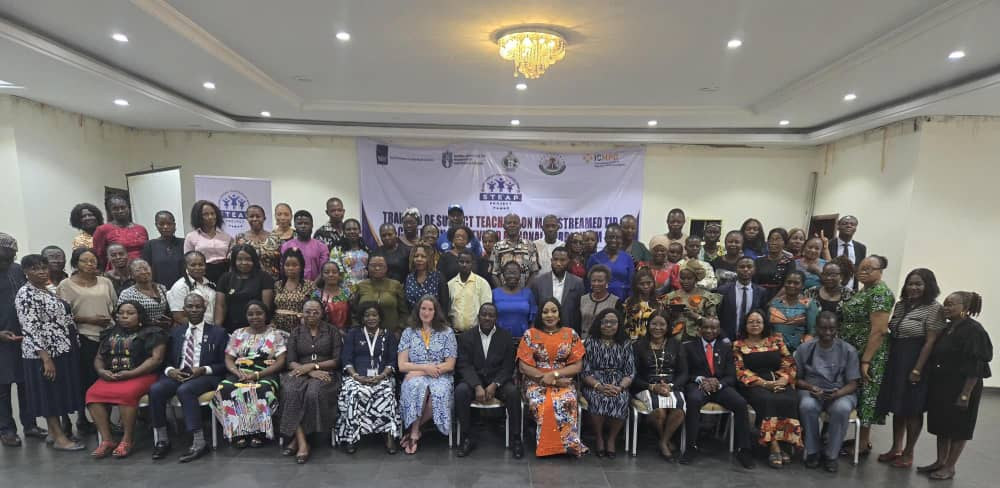
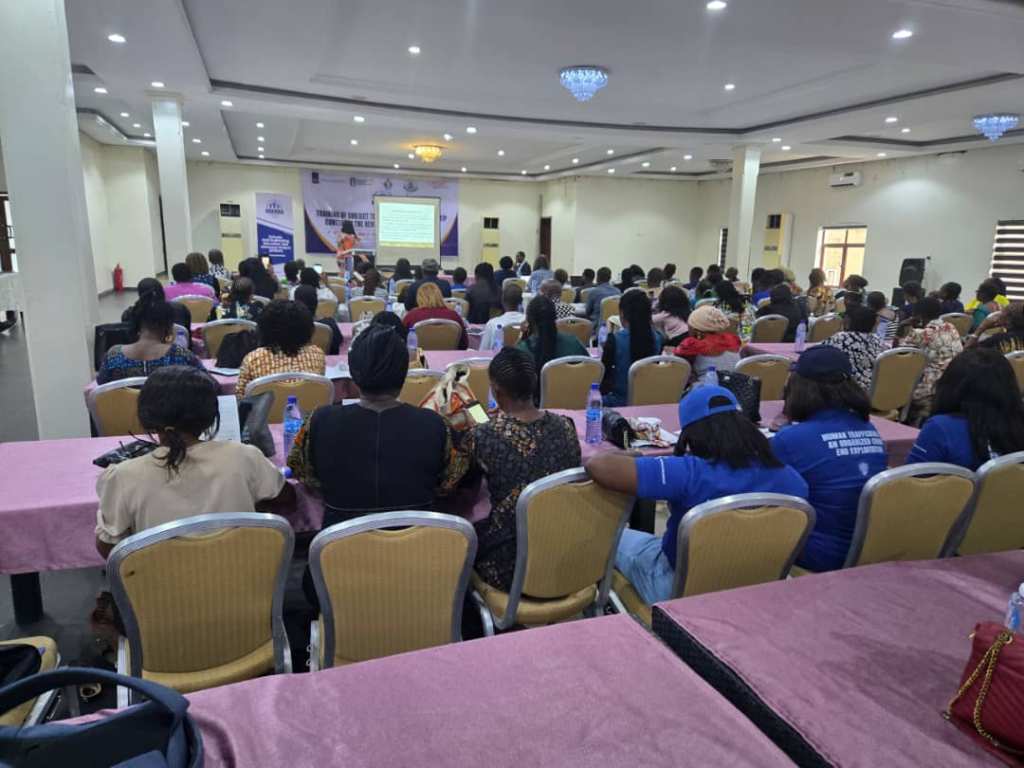
The National Agency for the Prohibition of Trafficking in Persons (NAPTIP) has commenced a capacity-building workshop for subject teachers in Enugu State to strengthen the delivery of newly mainstreamed Trafficking in Persons (TIP) content in Nigeria’s revised Basic Education Curriculum.
Declaring the training open, the Director-General of NAPTIP said the initiative marks “another milestone in our collective journey to safeguard the future of our children and strengthen the national response to human trafficking through education.”
According to the DG, trafficking in persons remains one of the gravest human rights violations affecting the country.
“The statistics are deeply troubling—children account for more than 55 percent of identified victims. These are school-aged boys and girls who, instead of being safe in their learning environments, are targeted, exploited, and abused by traffickers,” he said.
He noted that the education sector has become “one of our strongest allies in the fight against TIP,” explaining that NAPTIP’s partnership with the Nigerian Educational Research and Development Council (NERDC) dates back to 2014, when an MoU formally positioned the Agency as a key stakeholder in national curriculum reform.
The first phase of integrating TIP content into school curricula began in 2017, followed by a second mainstreaming phase in 2024 where updated materials were infused into selected subjects as part of the nationwide curriculum review. The revised curriculum received Federal Government approval in 2025.
“The primary objective is clear: to develop a transgenerational tool of knowledge that equips children—who unfortunately fall within the target age bracket of traffickers—with the understanding they need to protect themselves and others,” the DG said.
The Enugu training is part of a larger programme holding across the five STEAP states—Delta, Edo, Enugu, Benue and Ogun. The School Anti-Trafficking Education and Advocacy Project (STEAP) is funded by the Kingdom of the Netherlands and implemented by the International Centre for Migration Policy Development (ICMPD) in collaboration with NAPTIP.
Representing ICMPD, the Head of Office, Isabelle Wolfsgruber, said human trafficking remains one of the most pressing dangers facing young people in Nigeria. “Shockingly, over 75 percent of trafficking victims in West Africa are children. This stark reality underscores the urgent need for prevention efforts within our schools,” she said.
Wolfsgruber explained that STEAP is leveraging education as a preventive tool by empowering teachers, students, and entire school communities with knowledge on trafficking risks, warning signs, and protection strategies.
She recalled that under the EU-funded FMM I Project (2014–2019), ICMPD worked with NAPTIP, NERDC and NCCE to integrate TIP content into the national curriculum and teacher education programmes—an effort that culminated in the official government approval of the curriculum in 2025.
“Even the best curriculum can only succeed when delivered by confident and well-prepared teachers,” she said. “This two-day workshop will equip teachers with practical skills to apply the curriculum effectively while fostering safe and supportive classrooms.”
The training, she added, will result in “enhanced teacher capacity, increased awareness of trafficking prevention, the creation of a network of Anti-Trafficking Champions, and the development of school-level action plans.”
Both NAPTIP and ICMPD expressed appreciation to the Enugu State Ministry of Education, NERDC, and the Kingdom of the Netherlands for supporting the implementation of the TIP-focused curriculum.