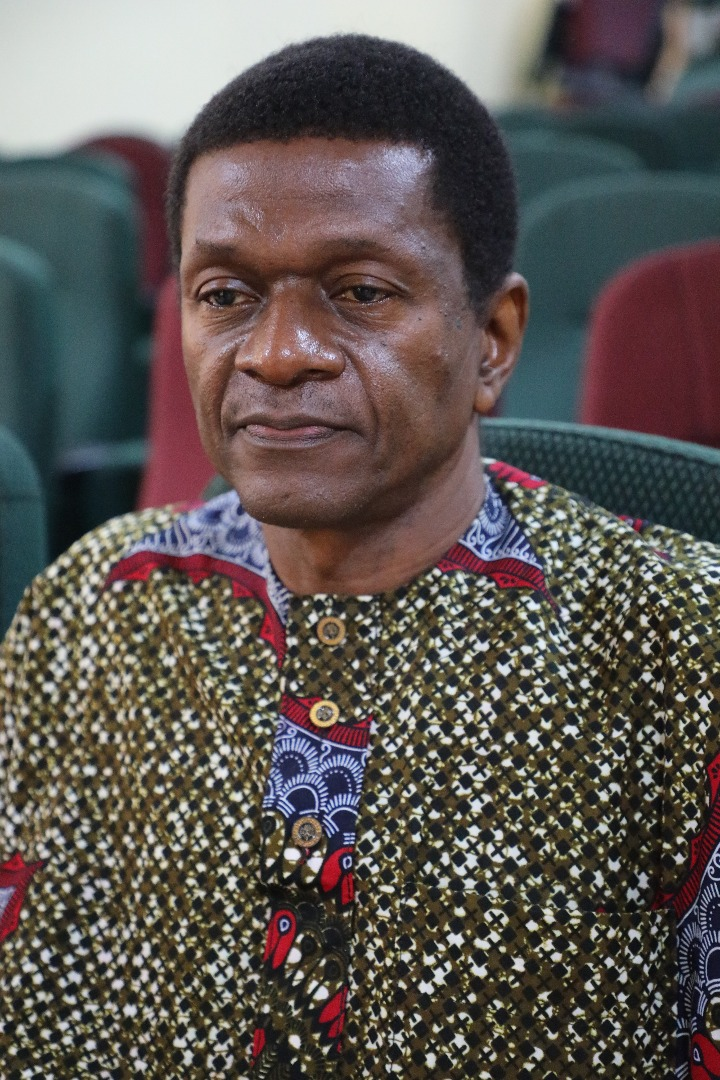
It’s hard not to feel sorry for the singer, Mr Innocent Ujah Idibia, MON, also known as Tuface Idibia; (his wives?) Annie Idibia and Hon Natasha Osawuru Idibia over their marriage problems. We note also the travails of Senator Ned and Regina Nwoko which have similarly received sensational reporting. And others, out there, coping with marital crises of all complexities, shapes and duration. The subject is not a private one. It’s a public issue deserving more serious reflection on account of it’s implication for wellbeing of society. From the angle of psychology, emotional security is a health issue. Given that families form sub sets of society, marital crises then have implications for public health. A trend of fracturing marriages, as the times indicate, is a source of emotional instability. Tension ensuing from strained relationships can find outlet in third party aggressiveness or deviant socialising. Psycho analysis holds steadfast to the link between environment and behaviour. By this connection, children from broken homes are more likely to become social misfits than those from peaceful unions.
People facing the gale of marital breakdown require support rather than ridiculing. Judgmental interventions by the public, notably in the case of celebrities, more or less, stokes the fire of conflict. The rash of comments on the affairs of the Idibias and Nwokos, on social media, came close to Jero’s manipulation. The chief character in Wole Soyinka’s play said of his hold over his congregation. “I know they are dissatisfied because I keep them dissatisfied.” They would stop coming if they felt no burden. In the case of Idibia, the intrusion into their intimate affairs had progressed from anonymity of social media to loud voices of relations. The middle – aged artiste put the matter in context in the following words.
“Fine, we have had our quarrels, but who doesn’t quarrel with their spouses. This is getting out of hand, I am perfectly okay. Everyone has been seeing me out there, I did my show recently in Abuja, and a lot of people were there. How do you say you want to save me but you are messing the whole thing up. This is unacceptable. It is so unfair.
“I have the right to be with whoever I want to be with. I am not a child. I have always been a quiet, peaceful person, but this has become too much. My family did this with Annie, this same thing, we all have our differences, but this is becoming so dangerous right now.”
A major takeaway from the above is the sobering observation that no marriage, no relationship is problem – free. That is a plain truth often lost on those with grand expectations of marriage. Implicit in this admission is the realisation that human frailty weighs heavily in our lives. Our inherent weaknesses cannot be wished away. They will manifest at some points in time, especially during inconvenient and exacting tests. The awareness is important for intending couples; coming to terms with it much more valuable. Appreciating the reality that one’s partner is not perfect, from the outset, goes a long way in managing the disappointment of the day after. When the euphoria of a blissful union wears off, as it surely does, the gaps between portrait and portrayal introduce a shock feeling. Yet, the impression of a revelation may well be a matter of consciousness. The accusatory phrase “you have changed” functions as compensation for one’s failure of mindfulness. Most probably, no masks have fallen off; only a late opening of the eyes. The partner’s defects were always there because no one is without shortcomings.
Understanding of the essence of marriage is crucial to managing the trials. For atheists and secular – disposed, divorce offers solution to a troubled marriage. Not so with mainstream Christianity. Catholicism forbids divorce – which is not the same thing as annulment. The rejection is founded on the theological definition of marriage as a life – long commitment. The marital union is a sacrament, a state consecrated to cooperation with divine will. To this end, the first purpose of married life is companionship. The role of life partner with mutual stakes and responsibilities, it should be noted, is a self – sufficient reason for the marriage institution. Procreation, while a complementary function of marriage, is not an absolute value. In other words, a validly instituted marriage is not diminished simply because the couple did not beget offsprings. Other things being equal, a childless marriage is as sacrosanct and ennobling as one with a football team. Christian marriage demands of the spouses to make the relationship work; to support the other in their weaknesses, to forgive wrongs and move on. Love is patiently and deliberately cultivated.
However, we live in a milieu of which the English romantic poet, William Wordsworth wrote: the world is too much with us. We therefore find that there are contrasting outlooks which suggest that marriage can be lived as a fairytale. This presupposes that the relationship must be convenient, beneficial, spicy. This mindset invariably approaches marriage as a social contract: a pact to be honoured when the clauses are kept; when otherwise, right of severance invoked. Marriage without lasting commitment is as contradictory as crossless Christianity. Man’s quest for marriage freedom continues it’s rounds. Divorce, remarriage, divorce again and still no contentment. Neither has polygamy nor polyandry provided the craved satisfaction and security. If anything, the more relationship involvement, the higher the heartache or feeling of emptiness. In Flora Nwapa’s novel, One is _Enough , a female character who has had a rough deal from a previous marriage, turns down a later proposal, telling herself one is enough. Money, position, power, possessions and a host of indulgences may bring us pleasure – passing pleasure at that – but they do not give joy.
Today, we live in the circle of a global village with it’s curious demand of simultaneity. Perhaps, even that is a small matter compared to the unsettling gaze of a new media age. Social media has so invaded our lives that we have all become prisoners of this revolution. Twenty – four hours a day, we’re held hostage by a festival of noise; a climate of information overflow with consequences for lifestyles. We not only have to accept the terrible intrusion into our privacy; we now have to seek validation of our choices on social media. If your marriage proposal is not splashed on digital platforms, you haven’t arrived. If your ceremony does not trend with thousands of likes and shares, then, my engagement is bigger than yours (apologies to Nkem Nwankwo). The younger generations are especially susceptible to the deceptive glitter of the social media. Internet approval ratings do not confer blessings on a marriage. The pressure to regard relationships as models based on media sensationalism around them is real. But it’s a costly error of judgement comparing your marriage with others. There are no superior and inferior marriages. Comparison is counter productive because no two marriages are the same just as no two persons have the same personality characteristics.
Faced with much public scrutiny, marital missteps on the part of the rich and public figures may not be entirely their fault. Those we call celebrities are under pressure of great expectations from the public. Many years ago, Jane Austen in Pride and Prejudice wrote: “It is a truth universally acknowledged, that a single man in possession of a good fortune, must be in want of a wife.” Being in the
limelight can set off a kind of performance anxiety. In their hey days, Michael Jackson and Mike Tyson contended with deviant behaviours, which essentially was about difficulty of managing success. Many a public figure has been a victim of media stalking again and again. Lady Diana reportedly died from a car crash pursued by a throng of paparazzi who would give her no breathing space. Society should be more considerate of the famous in their trials while focusing on enduring values. A magazine feature on food recipes has the last word on our marriage discourse. At the end of a list of dishes and preparation outline, the column ended beautifully with the caution: Do not allow your children’s feeding to be dictated by what they see on television.