By Paul Nwosu PhD || AlphaTimes
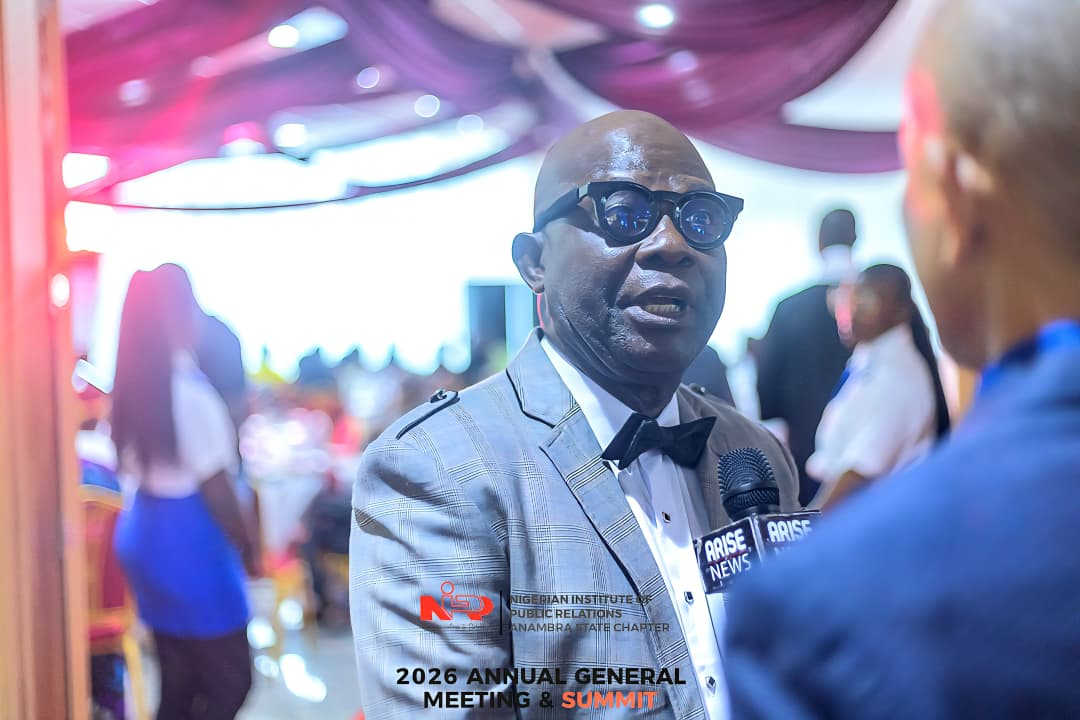
Image management took centre stage at the just concluded 2026 Summit and Annual General Meeting of the Nigerian Institute of Public Relations (NIPR), Anambra State Chapter, held at the International Convention Centre Awka.
The well-attended event brought together an impressive array of leaders and professionals, including Prof Charles Chukwuma Soludo, Governor of Anambra State, the Obi of Onitsha, Igwe Alfred Nnaemeka Achebe, former Minister of Aviation, Osita Chidoka, Vice Chancellor of Chukwuemeka Odumegwu Ojukwu University, Kate Omenugha and the President of the Nigerian Institute of Public Relations, Ike Neliaku, alongside top-flight public relations practitioners and communication experts from across the state and beyond.
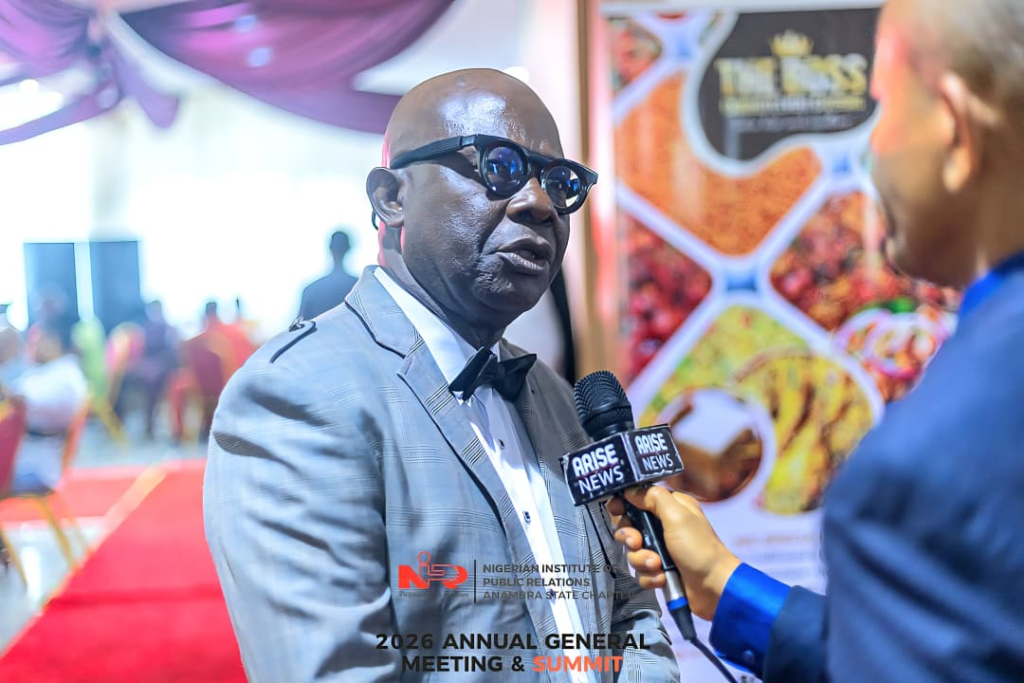
Across the various presentations, panel discussions, and goodwill remarks, one central theme resonated clearly: in today’s interconnected world, perception has become as powerful as reality. Institutions, governments, businesses and individuals are increasingly judged not only by what they do, but by how their actions are communicated, interpreted and remembered by the public.
Speakers emphasised that effective image management is not about cosmetic public relations or superficial branding. Rather, it is about building credibility, sustaining trust and ensuring that values, achievements and intentions are communicated with clarity, consistency and authenticity. When properly managed, image becomes a strategic asset capable of attracting investment, inspiring confidence, and strengthening institutional legitimacy.
For a state like Anambra, which is actively positioning itself as a hub for innovation, enterprise and good governance, the role of professional communication cannot be overstated. Image management helps translate policy achievements into public understanding, aligns stakeholders with shared aspirations, and safeguards reputations in an era where information travels instantly and narratives are quickly formed.
The summit therefore reaffirmed the critical responsibility of public relations professionals as custodians of reputation and architects of perception. In a rapidly evolving media landscape, they serve as the bridge between leadership and the public, ensuring that facts prevail over misinformation and that progress is communicated with integrity.
Ultimately, the gathering reinforced a simple but profound truth: a positive image is not merely a matter of appearance, it is the visible reflection of credibility, performance and trust. When managed with professionalism and ethical discipline, it becomes a powerful force for institutional growth, social cohesion and sustainable development.