By Paul Nwosu :
Watching the news the other day, I saw Hon. Oyedeji Oyeshina, Vice Chairman of the House of Representatives Committee on Ecology Fund, leading members of his team to Lagos to inspect “erosion-prone areas.” Erosion in Lagos? In my five decades of residing, working, and socializing in Lagos, I have never encountered a true erosion site. Yes, Lagos has flash floods—mainly due to clogged drainage that pushes water onto roads and into residential areas. But erosion? Hardly.
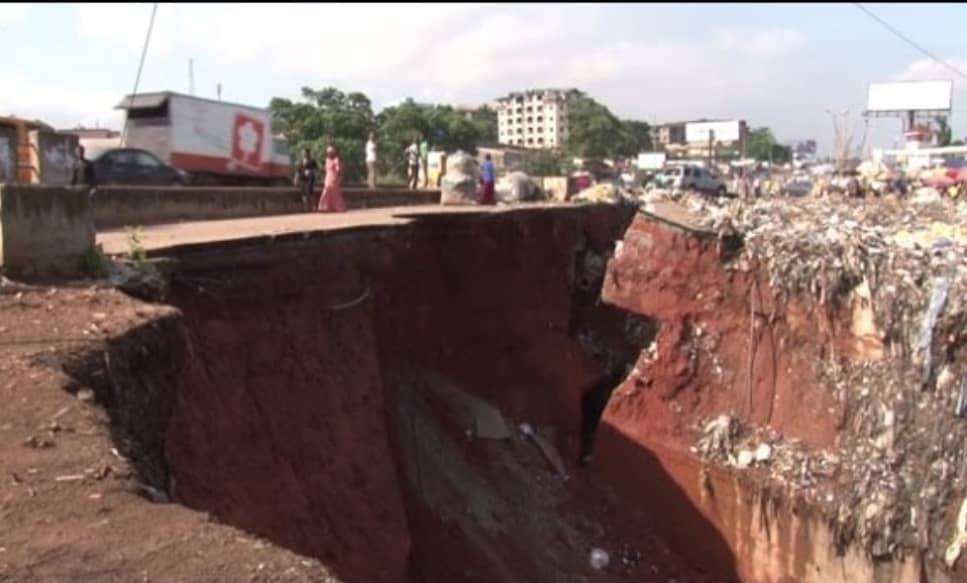
To be fair, it’s not Lagos’ fault that this committee decided to tour their “erosion sites.” But if Hon. Oyeshina’s committee was genuinely looking for firsthand exposure to severe erosion, Anambra should have been their first stop. Known for producing some of Nigeria’s finest leaders, intellectuals, and business moguls and vibrant sprawling markets, Anambra is also regrettably famous as the “erosion capital” of Nigeria.
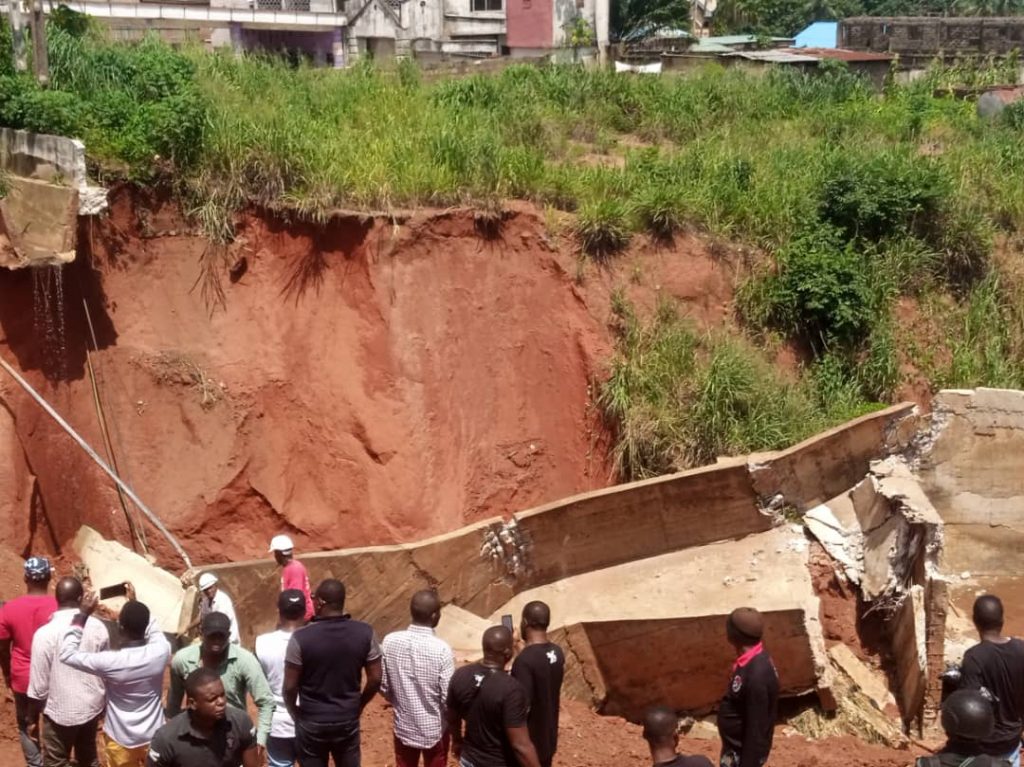
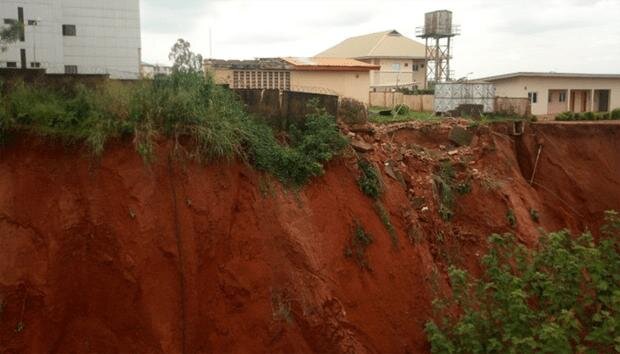
Anambra has over 1,000 active erosion sites. These sites have displaced entire communities, swallowed up farmlands, plantations, and industries, and cut off major roads, including federal highways. In some cases, the Anambra State Government has had to step in to reconstruct these roads, despite them being federal responsibilities, as the affected citizens are primarily from Anambra.
This raises a pressing question about the judgment and priorities of some oversight functions. In essence, oversight exists to ensure the executive and its MDAs act in an accountable, responsible, and responsive manner. As elected representatives closer to the grassroots, members of oversight committees are supposed to direct attention to the areas with the greatest need. Issues impacting people’s lives shouldn’t be subject to unnecessary politics.
Just recently, a part of the country (which I’ll leave unnamed) was severely hit by flash floods, instantly becoming a political Mecca. The First Lady even arranged Nigerian Air Force planes to deliver relief materials. Meanwhile, regions like Lower Benue and Niger have suffered recurring floods, where only NEMA and local state agencies are scrambling—almost empty-handed—to manage the disaster, with others turning a blind eye.
What’s good for the goose should also be good for the gander. It’s high time our representatives focused oversight efforts where they’re truly needed.