By Chuka Nnabuife
AMID troubling realities, another Holy Week is upon us. Instinctively, one asks: how holy can a land be when it is awash with killings, crime, fraud, falsehood, betrayal and moral decay? Even as we write, reports of bloodshed emerge from across the country. Yet, as palms are raised in church to mark the triumphant entry of Jesus Christ into Jerusalem, a deeper question confronts us: how do the events of this sacred week transform our lives and society?
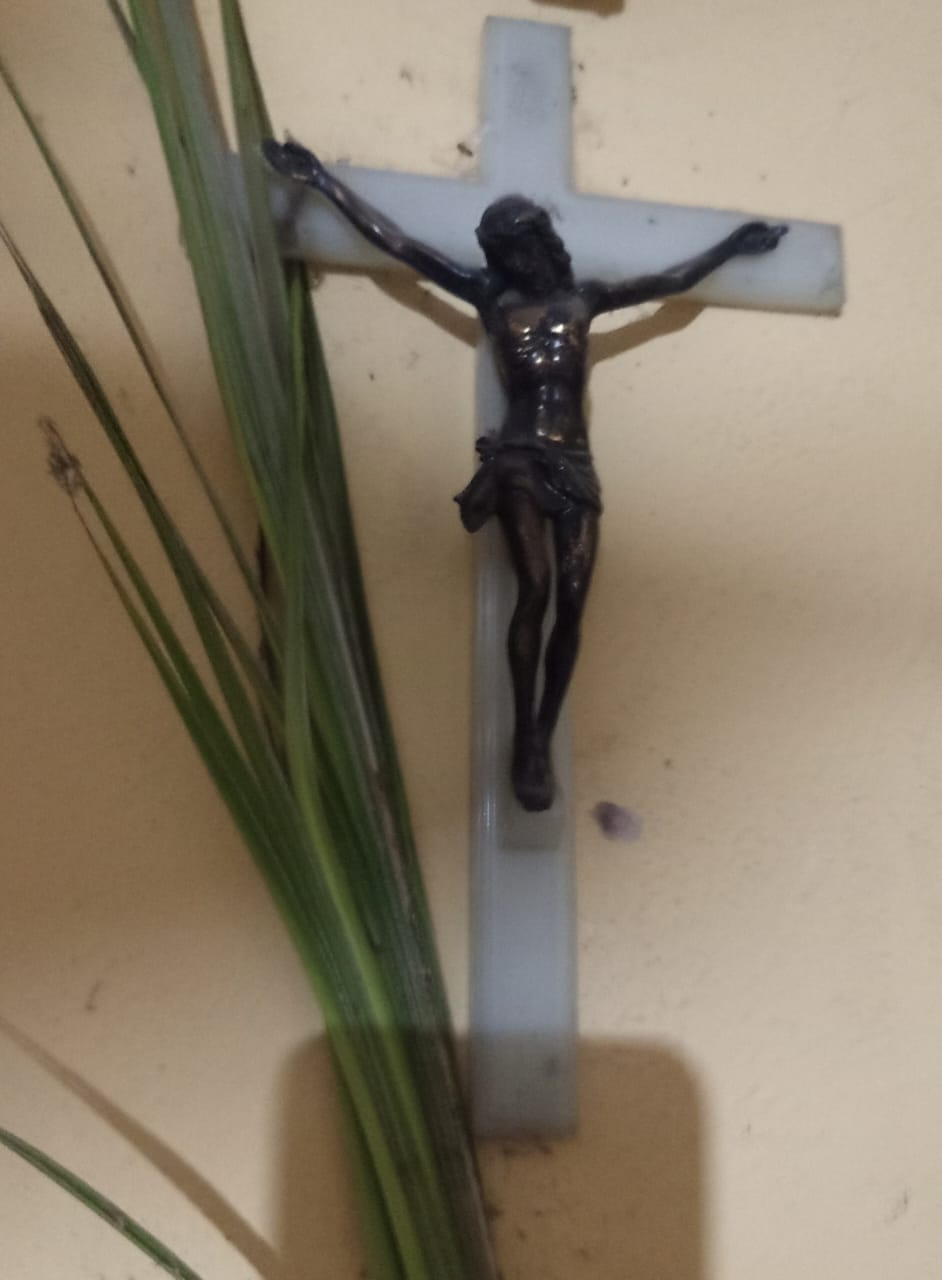
Holy Week, the most sacred period in the Christian calendar, commemorates the final days of Christ’s life—his suffering, death and resurrection. From Palm Sunday to Easter Sunday, it unfolds in profound spiritual stages: reflection, sacrifice, solemnity and, ultimately, victory. It is a call to step back from worldly excesses, to reflect, and to rediscover the higher ideals within us.
In a time marked by greed, reckless ambition, divisive politics and indifference to the plight of others, Holy Week sounds a clarion call. It urges moral reflection, personal accountability and integrity in both private and public life. The suffering of Christ inspires compassion for the vulnerable, while his sacrifice challenges leaders and citizens alike to serve selflessly. Its message of forgiveness offers a pathway to reconciliation, healing divisions and easing social tensions. Above all, Easter’s promise of renewal reminds us that transformation is possible, even in the darkest times.
For Ndi Anambra, a predominantly Christian people, this sacred season demands more than ritual observance. It calls for a renewal of our values of “Onye aghana nwanne ya” — a genuine concern for one another’s wellbeing. It demands sacrifice for the common good, ethical leadership, and a conscious rejection of crime and vice.
Holy Week, then, is not merely a commemoration. It is an invitation — to change, to rebuild, and to reclaim the very best of ourselves and our society. This is our chance.