By Nnedinma Okeke:
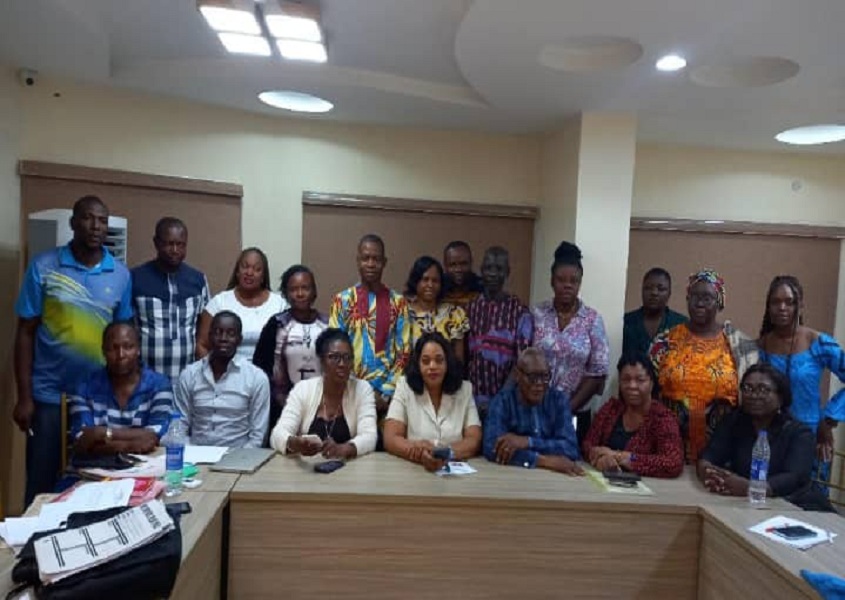
Fifteen Community Based Organizations (CBOs) under the auspices Association of Civil Society for Malaria control and Immunisation in Nigeria (ACOMIN) in Anambra State has advised parents not to shy away from also engaging their boy child on sex education.
This was in order to avoid them from being misinformed by mischievous peers.
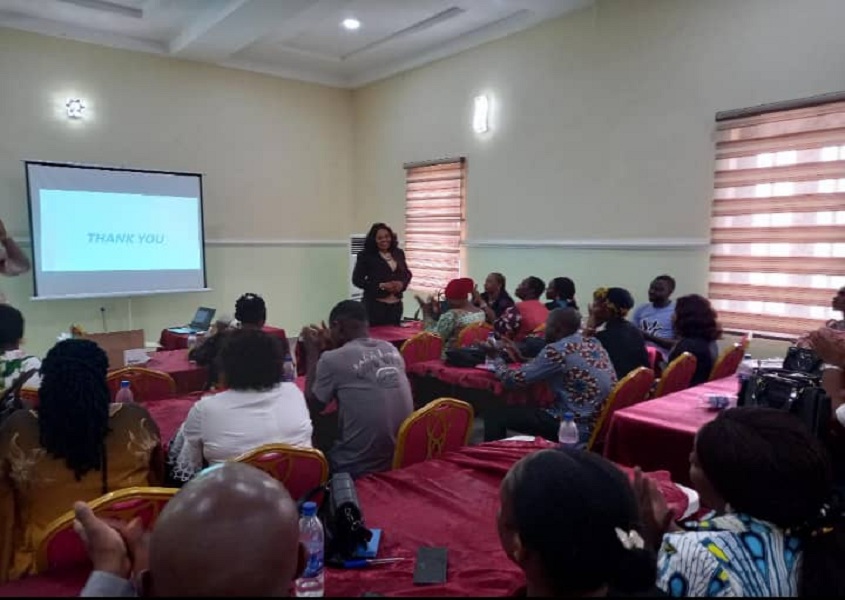
They also hosted the Executive Secretary, Anambra State Primary Healthcare Development Agency (ASPHCDA), Pharm Chisom Uchem in their monthly coordination meeting held at Hilton Leisure hotel, Awka.
The meeting aimed at discussing way forward in promoting better healthcare services to residents in the state especially as it affects the optimal function of Primary Healthcare services in the state.
In her welcome address, the ACOMIN State Coordinator, Mrs Chioma Okeke while referring to the activities of May 16; International day for the Boy child, decried the level of ignorance surrounding many male children as they develop into adolescent age.
This she said often result to vices like pornography, masturbation, incest, bestiality, rape, homosexuality and premarital sex which could further lead to STD infections, unwanted pregnancy and sometimes depression.
“All parents should tell their boy child from age 12 to expect certain changes which include slight breast pain, penis erection, whitish discharge or wet dream, attraction for the opposite sex and pimples.”
“The boys should be properly guided and made to understand that these signs are normal and part of their growth.”
“Parents should watch out for when their boy child starts been withdrawn, lying on their stomach to hide erection, and teach them self control/abstinence as there are consequences of having casual sex such as STD infection which can lead to impotency.”
Mrs Okeke, however, flanked by the State Program Officer, Mr. Wisdom Jacob and State Coordinator Tuberculosis Network, Mrs Ify Unachukwu said the monthly meeting was to take stock of the progress made.
This was to ensure that residents, especially those in rural areas have access to quality healthcare in line with set objectives of the COVID-19 Response Mechanism/Resilient and Sustainable System for Health (C19 RM/RSSH) Project.
Further into the meeting, the Executive Secretary, ASPHCDA, Pharm Uchem interacted with the ACOMIN field officers who voiced out several challenges they discovered which impedes the state’s capacity to deliver quality primary healthcare to the people.
The challenges were discovered at different facilities in the five Local Government Areas (LGAs) of the state, which includes; Aguata, Awka South, Anambra East, Dunukofia and Nnewi South LGAs respectively.
Some of their discovered challenges affecting the discharge of standard primary healthcare services include lack of power supply, water, inadequate medical personnel and drugs.
Also, absence of COVID-19 and HIV guidance/counseling department, dirty environment, insecurity, exploitation of patients, attitudinal problems and dilapidated infrastructure.
Pharm Uchem, however, thanked ACOMIN for their immense contributions as foot soldiers toward checking the activities of PHC health workers and ensuring that communities stakeholders co-operate with State Government in finding solutions to challenges of PHCs.
She assured them that the Anambra State administration of Gov. Chukwuma Soludo has special interest toward tackling healthcare challenges of Ndi Anambra, reiterating the State Government’s commitment to partner with ACOMIN.
“We appreciate your findings which is not to witch-hunt anybody but ensure that our PHCs were up and doing. The Soludo’s Solution government is running Public Private Partnership to ensure a liveable and working State.
“Meanwhile, the State Government has plans to recruit more health workers to fill up gaps where there are shortage of staff in the primary health sector.”
“It is also committed to assisting facilities to be viable and productive,” Pharm Uchem said. (MOI)
The information officer reports from Awka