*Opinion
By Polycarp Onwubiko
Administrative bungling and fumbling by the central government, particularly since 2015 when constitutional democracy was effectively displaced by misrule, has birthed unnecessary ministries, departments and agencies (MDAs), chief among them the so-called Ministry of Humanitarian Affairs.
Rather than designing well-thought-out policies to realistically address poverty, policies that have worked in sane societies, the federal government chose the path of gimmickry. This failure has rightly earned Nigeria the inglorious tag of the “headquarters of multidimensional poverty” in the world.
The reckless squandering of petro-dollar earnings pushed the country into dire straits. Yet instead of tackling the worsening socio-economic decline, successive governments focused on second-term ambitions. A serious and focused leadership should have recognized the devastation of the immediate past administration and begun by addressing Nigeria’s fundamentally faulty political structure, the root cause of our development dissonance.
This is why the creation of a Ministry of Humanitarian Affairs was both defeatist and diversionary. It mirrors the same mindset behind the recently established Ministry of Livestock Development, a move tailored to pander to the sense of entitlement of a section of the country. Such actions disregard the aspirations of other ethnic nationalities who also have a stake in building a Nigeria anchored on equity, fairness, justice, and the rule of law.
Governments the world over succeed through strategic planning, not by assuaging the inanities and selfish calculations of a privileged few. Devolving substantial powers to the states, though dreaded by those who fear the word “restructuring”, would provide a practical framework for addressing multidimensional poverty. States are better placed to assess the realities within their jurisdictions and to design pragmatic solutions.
Against this backdrop, the federal government’s so-called “cash transfer policy” is nothing short of harebrained. To assume that doling out ₦25,000 for three months to a handful of “captured” names on a dubious social register will cure extreme poverty in a country where over 70% of citizens barely eat once a day is laughable. As the Chinese proverb teaches, it is better to teach people how to fish than to keep giving them fish.
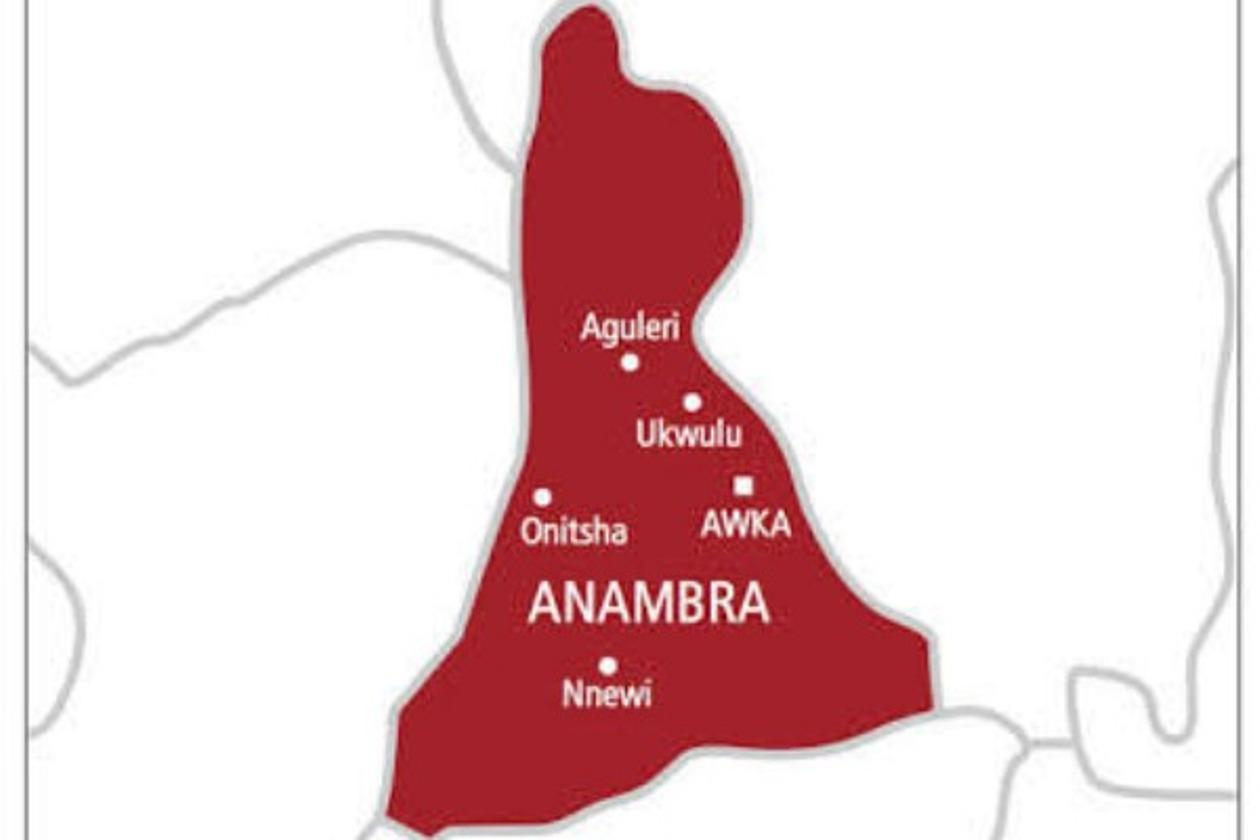
The social register gimmick, allegedly capable of identifying vulnerable citizens in Sokoto, Akwa Ibom, Ondo, Orumba North and South in Anambra, and the remote hinterlands of Imo, is a crude insult to the federal system. Abuja simply cannot know the poor in every village across Nigeria. This is deliberate illusion, a ploy to distract the people from the failure to restructure and to hoodwink them into applauding the presidency’s feverish second-term schemes.
Restructuring would make redundant any Ministry of Humanitarian Affairs. Sound planning at the state level would birth pragmatic strategies to combat poverty. Road construction and rehabilitation in the hinterlands, for example, would create jobs, open markets, and stimulate wealth creation far more sustainably than handing out crumbs in cash transfers.
The truth is stark: Nigeria’s centralized contraption, designed by the military and sustained by vested interests, has crippled development. Until it is dismantled and replaced with a truly federal structure, harebrained policies like cash transfers will continue to waste public funds while poverty deepens.
Cash transfers are not a poverty solution; they are a political gimmick. What Nigeria needs is not more handouts from Abuja but genuine restructuring, one that devolves power, responsibility, and resources to the states. Only then can policies rooted in equity, planning, and productivity replace the current mindless waste and set Nigeria on the path to real development.