By Charles Nwoke || AlphaTimes
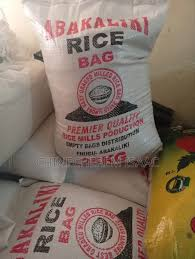
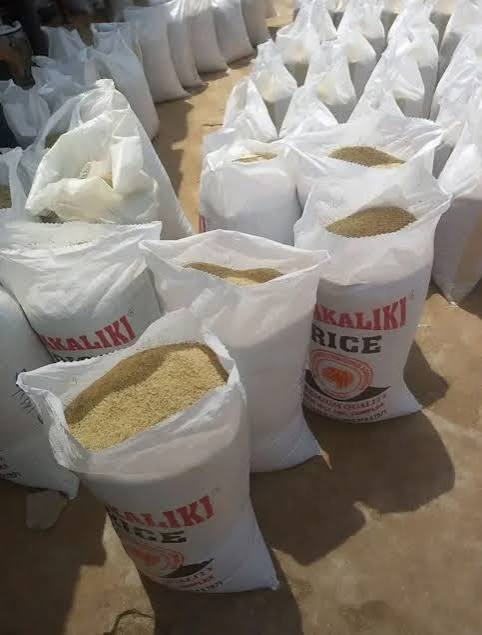
Thousands of workers at the Abakaliki rice mill in Abakaliki, Ebonyi State, face daily health risks as they process one of Nigeria’s most popular food staples.
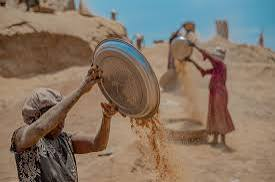
Many of the workers, most of them women, say the milling environment exposes them to thick rice dust and smoke from machines. They work without protective equipment such as face masks and gloves.
Nkechi Sunday, a rice mill worker, said the conditions have affected her health.
“We know the dust is affecting us, but what can we do? We are in this work because we don’t know what to do. We don’t have any alternative,” she said.
Sunday said she often suffers from headaches, body pain, and chest pain after work.
“I have been having frequent headaches, body pains, and chest pains. If I complain, they will tell me the rice mill dust work is the cause and that I should stop it. But if I stop, who will take care of my children and me?” she said.
Other workers report similar experiences.
Solomon Onu said the dust and smoke from milling machines cause a persistent cough.
“This rice milling business seriously affects my health. Each day I have a cough after work. That is why some of us do not stay here all the time because the rice dust and the smoke from the machines are dangerous for health,” he said.
Workers say the absence of safety equipment has worsened their situation.
Sunday appealed to the government to provide protective kits and healthcare services within the mill.
“We need safety kits. The government should build a hospital here where we can check our health and treat the diseases we contract here,” she said.
A hospital built in the rice mill during the administration of former governor Martin Elechi is now abandoned. The closure has left thousands of workers without nearby medical support.
A recent medical outreach provided temporary relief to the workers. The programme took place when David Umahi Federal University of Health Sciences in Uburu launched a free respiratory screening and treatment exercise at the mill.
The programme operates under the Equi-Resp Africa Research Project.
The outreach attracted many workers who sought medical attention.
“You can see the crowd here. We have never seen this type of thing before and it is free of charge. That is why many of us came,” Onu said.
Nweze James, who visited the mill to buy rice, also joined the screening.
“I am a customer. I came to buy rice but when I saw what was happening, I decided to benefit from it. The government should provide safety kits for these mothers and other workers because they inhale dust and smoke every day,” he said.
Vice Chancellor of David Umahi Federal University of Health Sciences, Jesse Uneke, said the intervention aims to address growing health risks in the milling environment.
“The Abakaliki rice place is very critical to the economy, not just for Ebonyi State but for Nigeria. There is no place in the country where you do not hear about Abakaliki rice. But the men and women who produce the rice must also have good health,” he said.
Uneke said the university will provide full treatment for the first 200 workers diagnosed with respiratory diseases.
“We came here to do a screening. Everyone identified with respiratory disease will receive free treatment. We have drugs for the first 200 persons,” he said.
The university is working with the Institute of Child Health at Alex Ekwueme Federal University Teaching Hospital Abakaliki.
The institute’s director, Techla Ezeonu, said studies show that many rice mill workers suffer respiratory illness.
“Their health is necessary. They are working for us and feeding us with rice. We must also bring healthcare to them,” she said.
Researchers have also installed air quality monitors within the mill to measure pollution levels.
Uneke said the research will provide evidence that government agencies can use to develop policies that protect workers.
Workers say the outreach offers only short-term relief. They want the government to revive the abandoned hospital and provide safety equipment.
Until then, many of them say they will continue to work in the dust to support their families.