By Chukwuka Ugokwe
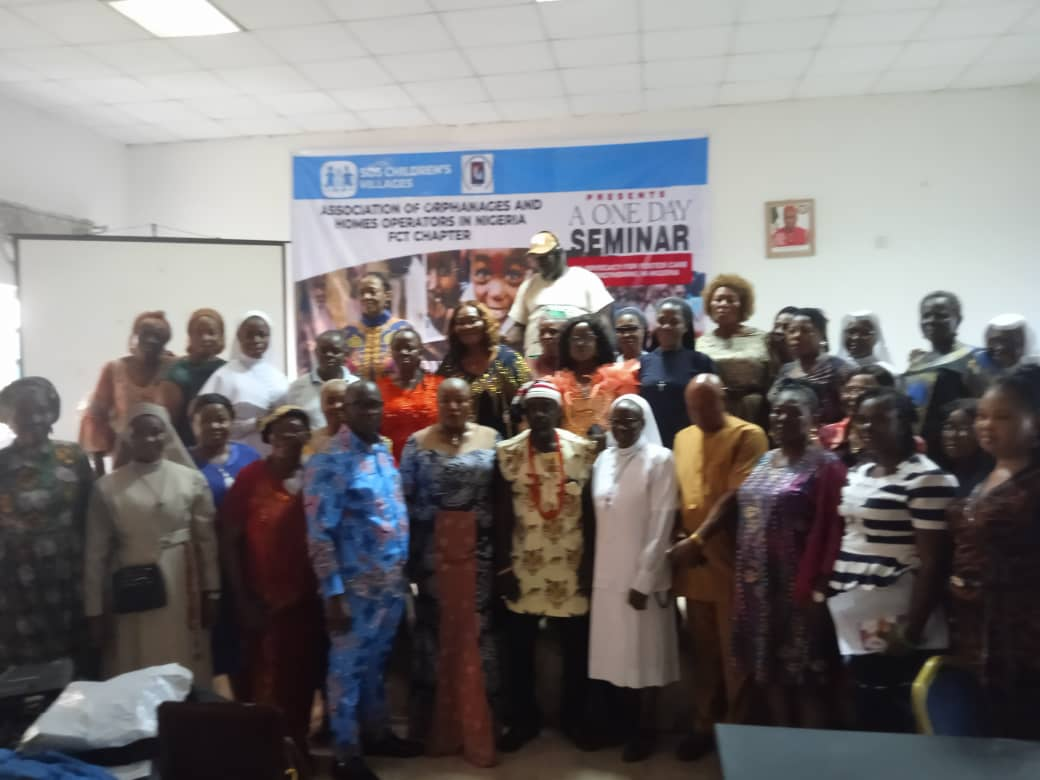
Participants at one day seminar have alerted operators of orphanages of a legislation that will strengthen foster care system to provide stable and nurturing environment for vulnerable children in the nation.
They noted that when consented to by government, it will create a robust child protection system that guarantees inclusion, safety and care of orphaned children in foster homes.
Rising from the seminar on advocacy themed “From Vulnerability To Stability, Time To Strengthen Foster Care In Nigeria” experts operating under Association of Orphanages And Homes Operators(ASOHON) said the move was in line with international best practices.
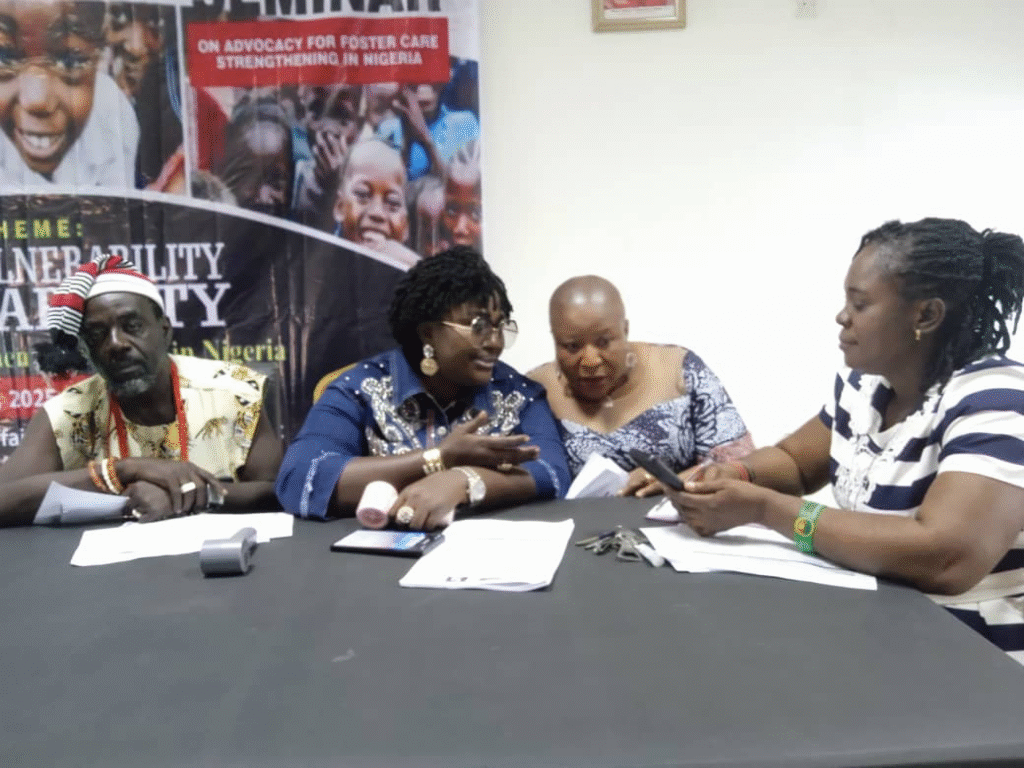
At the event staged by ASOHON supported by SOS Children’s Villages held at the Conference Hall, Ministry of Women Affairs,Awka, the Commissioner for Women Affairs, Lady Ify Obinabo, stated the commitment of the state government to sustain every child welfare and survival intervention policies.
While affirming to support foster care system initiative, she assured of her determination to stop undue harassment of operators of Shelter Homes in the state by the police.
She,then, urged them to always maintain standard, discharge their duties with fear of God, commitment, avoid all forms of negative indulgences and follow due process in all their engagements.
Obinabo, enjoined operators of Shelter Homes to be compassionate to children and support policies that would help upgrade their standard of living.
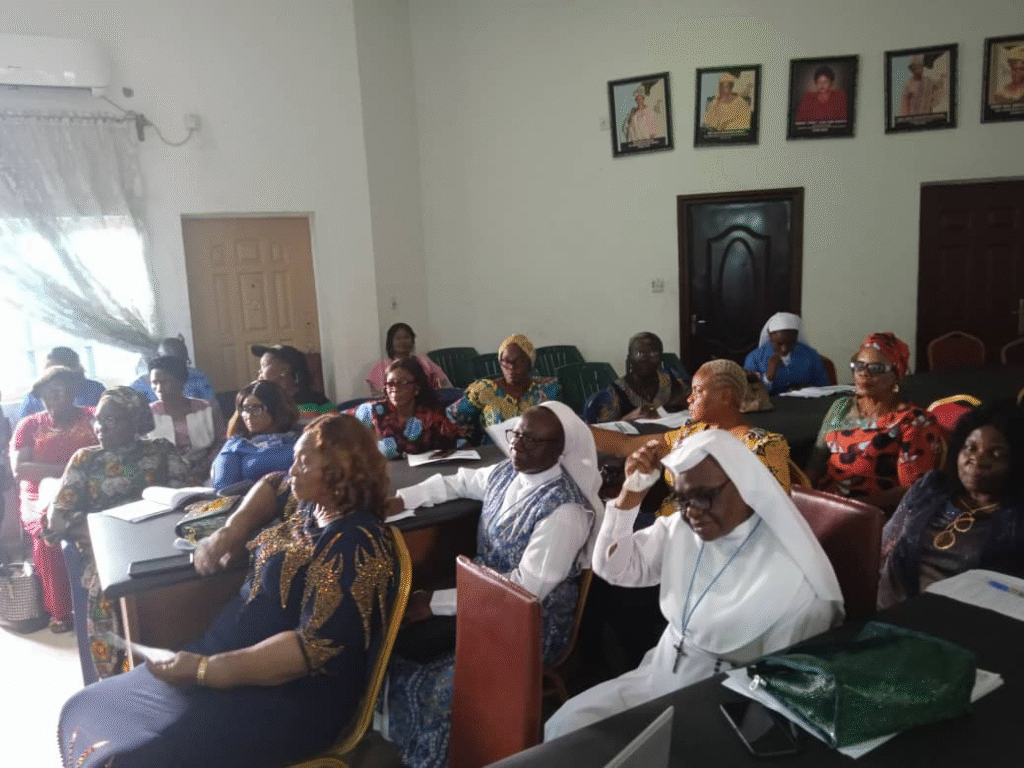
In his speech during the seminar which brought together operators of orphanages in the south east, the Vice President, ASOHON Southern Nigeria, Chief Akpulonu Godson, said the event was necessary to provide practical insights guiding the foster care system.
“This program is aimed at training ourselves in order to face what must surely become foster care system.It is all about a temporary arrangement where a child lives with a trained caregiver who is not his or her legal parent because his or her legal parents are unable to provide care
“The goal is to provide a safe, supportive and stable home for the child while working towards either reunification with their family or another permanent solution.
“It works by placing a child with foster parents who are relatives or unrelated individuals who have been approved by the state agency”
Akpulonu who delivered a paper “Advocacy, Monitoring Foster Placement, pointed out that foster care system aimed to develop sustainable solutions, bridge practice gaps and ensure improved welfare for vulnerable children.
He reasoned that effective care system require appropriate laws, active participation of stakeholders in shaping decisions that directly impact on children.
The Vice President further identified inadequate caregivers, lack of government support, stigmatisation, weak adoption process and all forms of abuses as key challenges affecting smooth operation of Orphanages/Shelter Homes.
Presenting a paper titled “Introduction To Formal And Informal Foster Care System, Understanding Foster Care In Nigeria” ASOHON National PRO, Dr Bernard Moses, enumerated different types of foster care system.
Acknowledging that Nigeria has one of the largest population of children in institutional care due to poverty, child abandonment, family breakdowns, internally displaced children, he underscored the importance of enabling legal framework and proper documentation in the transition from institutional care to family based foster care setting.
He added that the gathering set out to provide a platform to review the operations of shelter homes and to establish a new standard aimed to provide specialised care for vulnerable children.
The event featured a question and answer session on social mothers in shelter homes moderated by Dr Ikechukwu Onoh, a Medical Practitioner and Deputy National Secretary, ASOHON
Operators of Shelter Homes who participated in the seminar raised some concerns on foster care system which were addressed accordingly by the organisers