By Chuka Nnabuife
IT MAY be tempting, given the disturbing frequency of recent reports, to conclude that something is seriously wrong with the caregiving culture of some young women in South-East Nigeria. The level of brutality allegedly inflicted on minors entrusted to their care is deeply disturbing. Some children have reportedly been injured, maimed and, in the most tragic cases, killed.
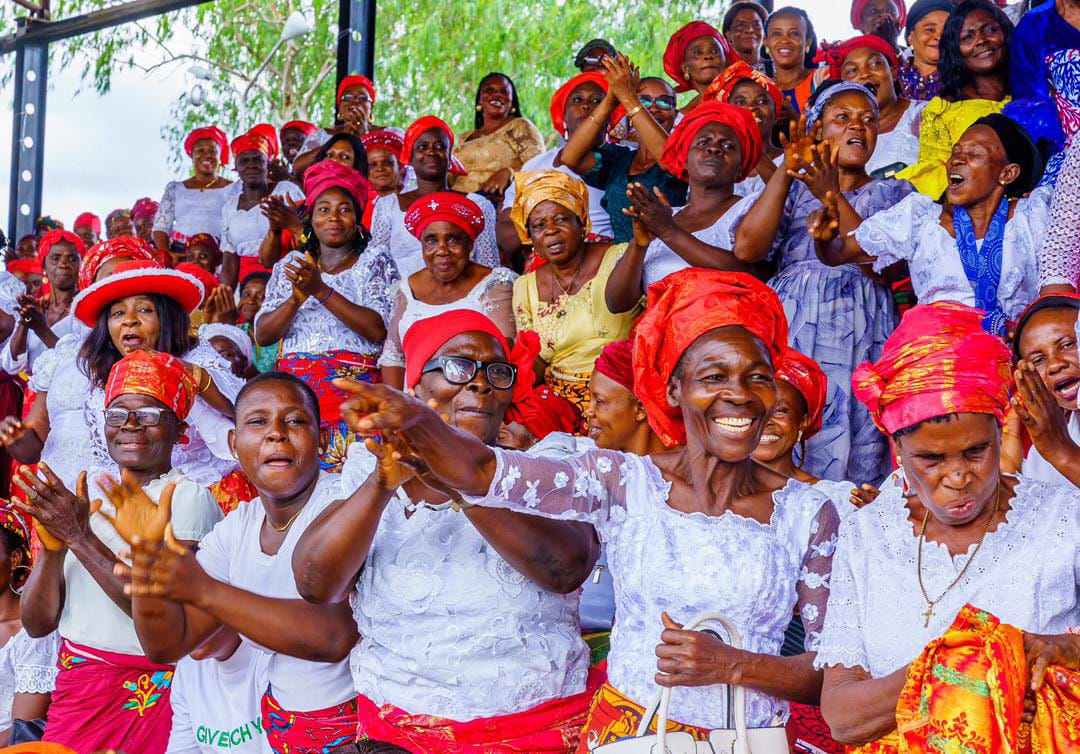
Yet it would be unfair to portray child abuse as an exclusively South-Eastern or Igbo phenomenon. It occurs across Nigeria and beyond, cutting across social and economic classes. What deserves urgent attention is the disturbing pattern of cases emerging from the region and the apparent willingness of some adults to inflict cruelty on children who depend on them. The worrisome issue calls for serious orientation of women on caring for other people’s children, not only theirs, which could be a good theme for discourses across the South East during this period of women’s August Meetings across the zone.
Recently, a teenage girl from Awgu, Enugu State, was reportedly rescued in Owerri after allegedly suffering severe physical abuse at the hands of her female employer. According to reports, she was locked in a room with badly injured eyes after failing to sell all the goods she had been sent out to hawk. Stand for Humanity Foundation reportedly intervened, took her to the police and ensured that she received medical attention.
Images of the girl, with swollen eyes and injuries to her hands, provoked outrage. One social media user asked: “What is wrong with women, especially young Igbo women, these days? Why are they so wicked to other people’s children placed in their care?”
Such reactions point to a question society can no longer avoid: why are some adults becoming so cruel to children entrusted to them?
A society is ultimately judged not by the height of its skyscrapers or the size of its economy, but by how it treats its most vulnerable.
A viral video of a teenage girl being mercilessly flogged by two women in an unidentified community in Anambra North, while the person filming apparently failed to intervene, recently generated widespread outrage.
Another horrifying case emerged in Awada, Idemili North Local Government Area of Anambra State, where a ten-year-old houseboy, Chiziterem, from Opi in Enugu State, was reportedly subjected to prolonged physical abuse, including burns allegedly inflicted with fire and other harmful objects. Neighbourhood youths reportedly intervened and alerted the police, while the wife of the Anambra State Governor, Dr. Nonye Soludo, subsequently ensured that the child received medical treatment and was reunited with his parents.
In Abia State, another disturbing video showed a woman allegedly pinning down a young housemaid while threatening her with a knife before neighbours intervened. Reports indicate that suspects in some of these cases have been arrested. But arrest and prosecution cannot instantly erase the psychological scars such experiences may leave.
Then came another deeply troubling report. On 17 July, a video circulated alleging that a young housemaid identified as Ifechukwu Udogu had been severely beaten by her female employer and subsequently died, with her body reportedly abandoned in a bush in Anambra State. While details of the case require official confirmation, the allegation is serious enough to demand a thorough investigation.
There have also been reports of other cases, including that of a young female teacher whose pupil reportedly died following corporal punishment. Not every detail contained in viral accounts should be accepted without verification, but the recurrence of such allegations cannot simply be dismissed.
What is particularly worrying is that many abused children suffer in silence because they are too frightened to speak, while neighbours and relatives sometimes dismiss warning signs as “family matters”. Child abuse is never merely a family matter. Where a child’s safety is threatened, intervention is a social and, where appropriate, legal responsibility.
The irony is painful. Igbo culture traditionally places enormous value on children as precious gifts, the continuity of the family and the future of society. Yet some adults now appear capable of inflicting unimaginable violence on children entrusted to their care. Discipline is being confused with brutality, correction with torture, and guardianship with oppression.
The causes are complex: misplaced anger, poverty, ignorance, frustration, poor parenting, child labour and the dehumanisation of domestic workers may all contribute. None, however, can excuse cruelty.
Governments across the South-East have laws designed to protect children and criminalise violence against them. But laws cannot protect children unless they are effectively enforced. Parents, guardians, teachers, religious leaders, traditional rulers, community associations, neighbours and law-enforcement agencies must all accept responsibility for acting when abuse is suspected.
Parents must also carefully consider the consequences of sending children away to work as domestic servants or child labourers. Families should, as far as possible, have only the number of children they can adequately feed, educate and care for. The availability of free education in some South-Eastern states, including Anambra, should be utilised rather than exposing children to unnecessary vulnerability.
Most importantly, every child deserves a childhood free from fear, pain and humiliation.
The cries of abused children must never become background noise. They are a call to our collective conscience — demanding justice for victims, accountability for perpetrators and a renewed commitment to protecting the vulnerable.
Skyscrapers, roads and other physical structures matter. But the truest measure of development is how well a society nurtures, educates and protects its children.
If we cannot keep our children safe, what exactly are we building for the future?
• Nnabuife, author and journalist writes from Awka, Anambra State via chukafornaija@gmail.com. 08026472357
###