By Ikpechukwu Ojobor
The Anglican Diocese of Enugu has expressed deep concern over the deteriorating security situation in parts of the country, particularly in the South East and Middle Belt regions, citing escalating violence in Enugu, Imo, Benue, and Plateau States.
The alarm was raised in a communiqué issued at the end of the Second Session of the 19th Synod of the Diocese, which held at St. Paul’s Church, China Town, Enugu, from Thursday, June 26 to Sunday, June 29, 2025.
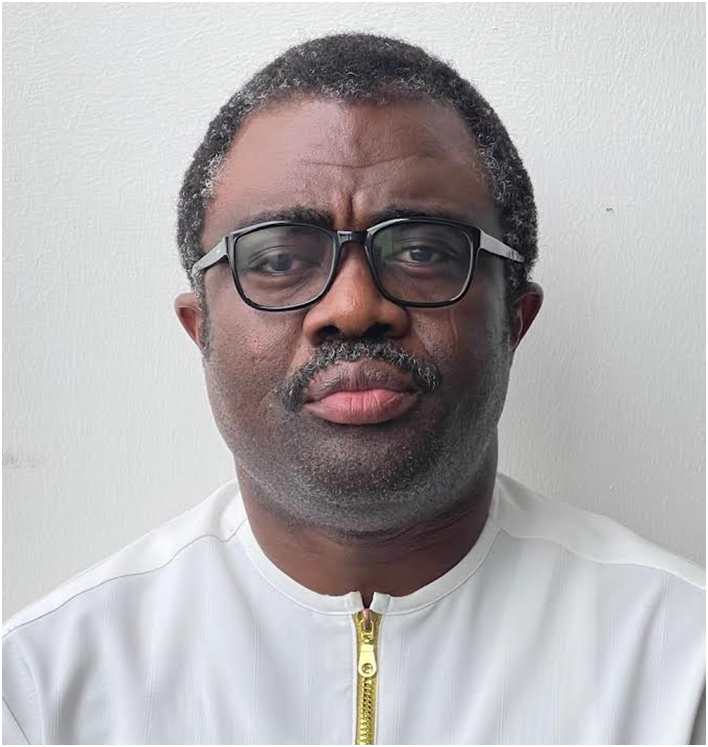
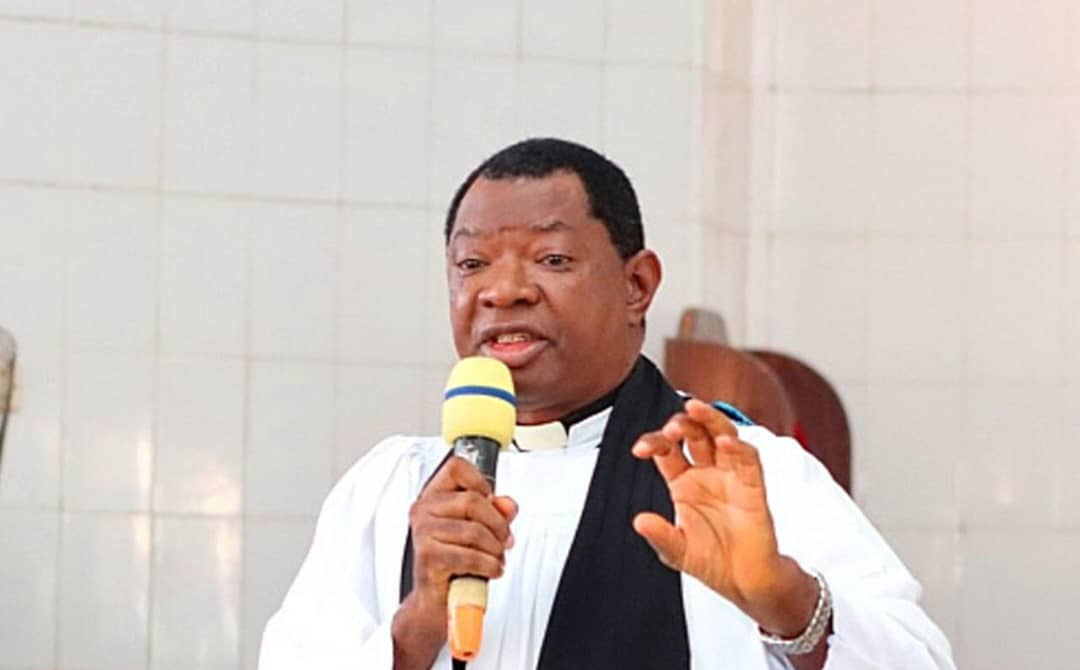
The communiqué was jointly signed by key diocesan leaders: Rev. Canon Dr. Ifeanyi Agu (Synod Secretary), H/H Paulson C. Egbo (Registrar), Prof. Offornze D. Amucheazi (SAN) (Chancellor), and Rt. Rev’d Prof. Samuel O. Ike (Bishop of the Diocese), who presided over the synod.
The Synod, with the theme “Living by every word of God” (Matthew 4:4), condemned the rising wave of violence and killings despite the government’s massive investments in national security.
“The Synod expresses displeasure over resurgence of violence and killings in the country, especially in Benue, Enugu, Plateau, Imo States, among others, even with enormous resources committed to the fight against insecurity and urges President Bola Tinubu to invoke his constitutional powers to protect the country,” the communiqué read.
The Church also decried the alleged corruption within the security apparatus and called for accountability.
“The Synod frowns at reports of alleged complicity and collusion of Security and Intelligence Chiefs with bandits and terrorists in the fight against insecurity and siphoning of funds voted for security and urges the President to investigate and prosecute, where necessary, those indicted.”
To address growing insecurity at the grassroots level, the Church called on the National Assembly to legalize state and community policing.
“The Synod calls on the National Assembly to facilitate the creation of State and Community Police to improve security and prevent wanton destruction of lives and properties and improve the ranking of Nigeria in the Global Terrorism Index.”
It further acknowledged that worsening insecurity is worsened by rising youth unemployment and restiveness, urging immediate government intervention.
“The Synod notes the challenge of youth restiveness and the need to urgently take steps to stem the tide by prioritizing the needs of the youths and making efforts to reduce the number of unemployed youths by ensuring that their voices are heard.”
In a bid to secure its members and surrounding communities, the Diocese disclosed its own internal initiative to strengthen security.
“It is in this light that the Diocese approved the establishment of the Diocese of Enugu Security Network and the Diocese of Enugu Security Council, to help in safeguarding the lives and properties of Anglican Faithfuls and other citizens within its territorial jurisdiction.”
Beyond security, the Synod also addressed pressing economic concerns, especially the federal government’s borrowing pattern and the worsening cost of living.
“The Synod is also worried that with a record borrowing of about 10.1 trillion naira between May 2023 and September 2024, the economy is yet to stabilise and urges efforts to stimulate the economy,” it noted.
It urged President Bola Tinubu to prioritize economic reforms that directly benefit the people. “The President should also ensure that existing highways are rehabilitated and also urgently provide safety nets like subsidies on health, education and food to cushion the effect of hardship on the populace.”
At the state level, the Synod commended the Enugu State Government for its developmental efforts but cautioned against excessive taxation.
“The Synod commends His Excellency, the Governor of Enugu State – Dr. Peter Mbah for the ambitious efforts of his administration in enhancing infrastructure, security, health and education among others,” the communiqué stated.
“The Synod however calls on the state government to review the multiple taxes that are making lives unbearable for residents of the State.”
The Diocese concluded by reaffirming its commitment to engaging government and civil society on key national issues, while urging leaders to return to justice, transparency, and people-oriented governance.