By Kanayonmuo Azaka || AlphaTimes
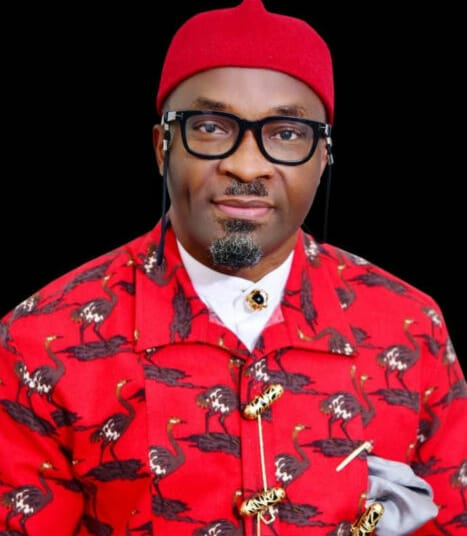
Chidiebere J. Okoh has taken a swipe at what he described as the growing spectacle of traditional rulers and community leaders in Bende Federal Constituency allegedly blowing hot and cold over political endorsements, embracing one candidate today and another tomorrow, depending, apparently, on who comes bearing gifts.
Okoh described the practice as worrisome, degrading and unbecoming of institutions that are supposed to embody dignity, wisdom and integrity. In his view, a royal endorsement should carry the weight of community conviction, not the price tag of political inducement.
He particularly frowned at the alleged practice of receiving gifts from one political contender, endorsing him, and subsequently accepting similar gestures from another contender before promptly switching allegiance. Such conduct, he argued, reduces revered traditional institutions to willing participants in transactional politics and diminishes the moral authority they ought to command.

For Okoh, the question is simple: If an endorsement can be bought twice, what exactly is its value?
He nevertheless dismissed the manoeuvres as incapable of determining the outcome of the 2027 House of Representatives election in Bende Federal Constituency. He expressed confidence that the incumbent, Benjamin Okezie Kalu, will return to the National Assembly on the platform of the APC, arguing that voters are ultimately more discerning than political endorsements may suggest.
According to him, continuity matters where a representative has built legislative experience, relationships and development initiatives that constituents consider beneficial. Replacing an established representative merely for political expediency, he argued, could disrupt programmes and opportunities already in motion.
Okoh also introduced the question of political balance in Bende, arguing that with Senator Oji Uzor Kalu representing Abia North in the Senate and hailing from Igbere, the House of Representatives seat should remain with Benjamin Kalu of Bende. He suggested that the Abia State House of Assembly position could, in the interest of equity, rotate to other parts of the constituency, including Item and other communities.
But beyond the personalities and permutations, Okoh’s central message is that political endorsements should not become auctions conducted under the cover of tradition.
Traditional rulers and community leaders occupy positions that transcend individual candidates and political parties. Their words can influence communities, but their credibility depends on consistency, independence and the perception that they are acting in the collective interest rather than for personal gratification.
As the 2027 contest gathers momentum, endorsements will undoubtedly multiply, alliances will shift and political suitors will continue knocking at palace doors. But the final verdict will not belong to royal fathers, party chieftains or political financiers.
It will belong to the voters.
And when the ballots are counted, no amount of palace endorsements—bought, borrowed or recycled—will substitute for the judgment of the people.