By Charles Nwoke || AlphaTimes
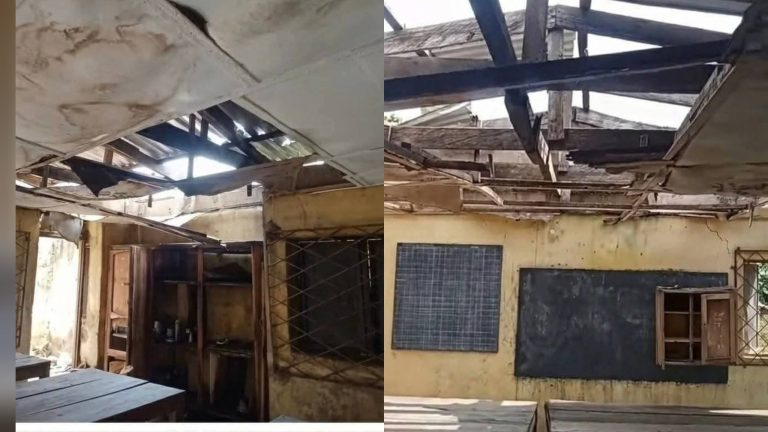
The West African Examinations Council (WAEC) has reportedly deregistered Ohabuike Secondary School, Ndibe-Afikpo, in Ebonyi State, following concerns over the school’s deteriorating infrastructure and absence of functional science laboratory facilities required for effective teaching and examination standards.
Reports from Afikpo indicate that the decision was taken after the school failed to meet the minimum requirements expected for WAEC accreditation. The development has sparked fresh concerns about the condition of public secondary schools and the state of education infrastructure in parts of Ebonyi State.
Sources familiar with the situation said the lack of essential facilities, including a standard science laboratory, contributed to the school’s inability to maintain the required academic environment for students preparing for external examinations.
A similar challenge has also been reported at Community Secondary School, Nkalagu, in Ishielu Local Government Area of Ebonyi State, where stakeholders have raised concerns over the poor condition of learning facilities. They said the degraded state of the school environment is affecting teaching activities and students’ preparedness for examinations.
Education stakeholders have described the situation as part of a wider challenge affecting public education in Ebonyi State. They noted that several schools are facing problems such as inadequate classrooms, poor learning environments, limited teaching resources, and the absence of functional laboratories.
According to observers, the decline in school infrastructure could negatively affect students’ academic performance and access to quality secondary education. They warned that communities with poorly equipped schools may continue to record increasing numbers of young people who are unable to complete their education.
Stakeholders also linked the poor state of some public schools to the rising number of out-of-school children and teenagers in certain communities. They said young people who lack access to quality education are more vulnerable to social challenges, including street hawking, early marriage, and other risks associated with limited educational opportunities.
Critics of the Ebonyi State Government have questioned spending priorities, alleging that more attention and resources should be directed towards rebuilding critical infrastructure such as schools and healthcare facilities. They argued that investment in education remains essential for human capital development and long-term social stability.
They further maintained that the quality of public education is a major measure of effective governance, stressing that failure to improve school facilities could affect the future workforce and development prospects of Ebonyi State.
Although government authorities have not released a detailed statement on the reported WAEC deregistration of Ohabuike Secondary School, residents, parents, and education advocates have continued to call for urgent action to restore learning facilities in affected schools.
The development has intensified discussions on the future of public secondary education in Ebonyi State, with stakeholders urging government agencies at both state and local levels to prioritise the renovation of schools, provision of laboratories, and improvement of learning conditions for students.