By Paul Nwosu ||AlphaTimes
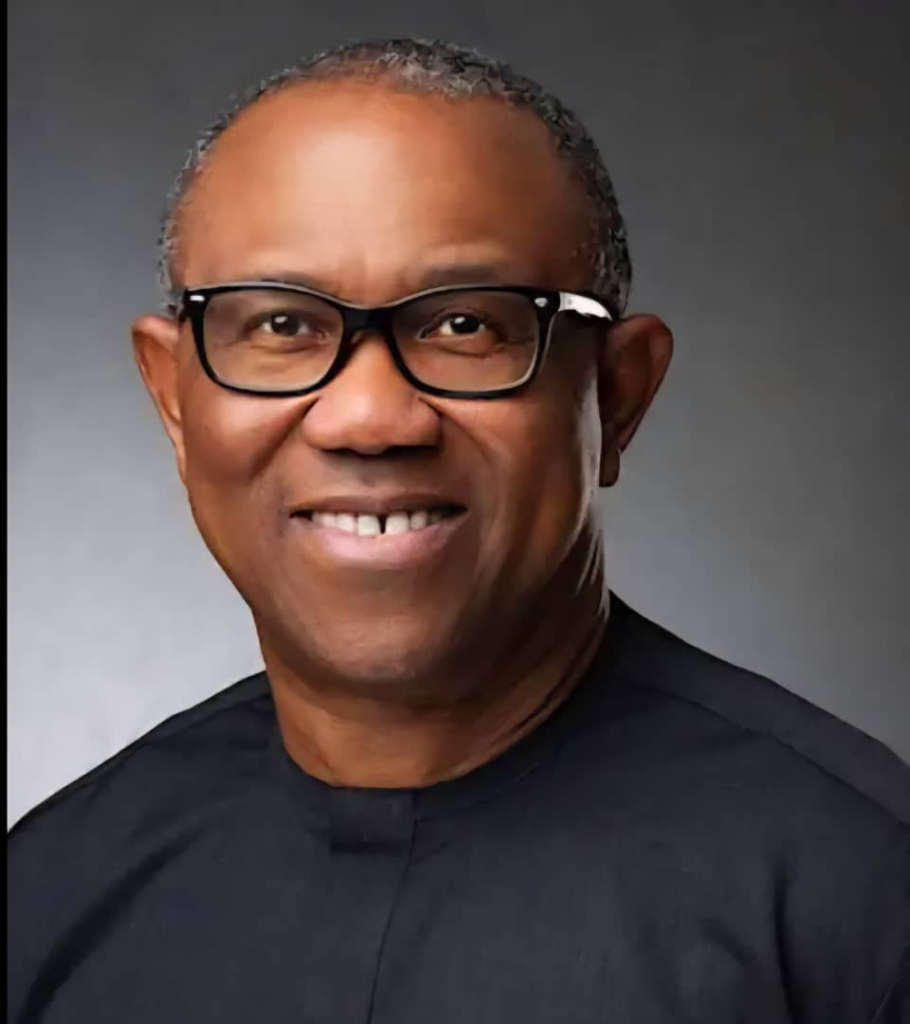
Former Anambra State Governor and 2023 presidential candidate, Peter Obi, has issued what many observers describe as one of his most sweeping and consequential political statements yet, calling on Nigerians to unite across ethnic, religious and partisan lines to rescue the country from what he termed “state capture, disunity and organised failure.”
Speaking in Enugu on the final day of 2025, Obi framed the moment as a historic crossroads, insisting that Nigeria must now begin a “new struggle for true independence” rooted in self-determination, electoral integrity and inclusive prosperity.
“Nigeria is independent in name, but we must now reclaim our country from a small group of opportunists who have captured the corridors of power,” he declared to sustained applause.
Obi accused elements of the political class of celebrating what he described as a “stolen mandate” and working to undermine democracy through coercion, manipulation and intimidation, particularly against opposition forces.
He warned that any attempt to rig or subvert the 2027 general elections would be fiercely resisted through lawful and legitimate means, stressing that the will of the Nigerian people is “sacrosanct and non-negotiable.”
Obi placed significant responsibility on weak institutions, singling out the Independent National Electoral Commission, and demanded urgent and comprehensive electoral reforms, including strict adherence to electoral laws and transparent transmission of results.
“Electoral integrity is the foundation of national transformation,” he said, adding that Nigeria must avoid the fate of West African states where democracy has collapsed.
Painting a grim portrait of the country’s socio-economic condition, Obi cited alarming statistics of over 130 million Nigerians living in multidimensional poverty, more than 80 million unemployed youths, worsening insecurity and deepening national disunity.
Yet, despite the bleak assessment, he struck a tone of optimism, insisting that Nigeria’s vast human and natural resources make transformation not only possible, but inevitable if leadership and unity are restored.
“Nigeria is not poor; we are looted into poverty. We are not broken; we are betrayed,” he said.
Drawing from years of global study and engagement, Obi referenced leadership models and development trajectories from Rwanda, Indonesia and Singapore. He recounted personal engagements with President Paul Kagame of Rwanda and former Indonesian President Joko Widodo, highlighting how unity, discipline and competent leadership drove their countries’ economic turnarounds.
Contrasting Nigeria’s declining GDP per capita with Indonesia’s rise to a $1.4 trillion economy, Obi argued that leadership choices, not destiny, explain Nigeria’s underperformance.
He cited influential works such as “Why Nations Fail” and “From Third World to the First”, concluding that Nigeria’s greatest obstacle remains poor leadership reinforced by deliberate disunity.
A particularly sharp section of the speech addressed Nigeria’s controversial tax reforms. Obi condemned what he described as a “forged tax law,” noting reports that the National Assembly itself had disowned portions of the gazetted legislation.
“Taxing poverty will not create wealth,” he warned. “A forged tax regime cannot build unity or prosperity.”
He argued that taxation must be rooted in a social contract that lifts citizens out of poverty rather than deepening their hardship.
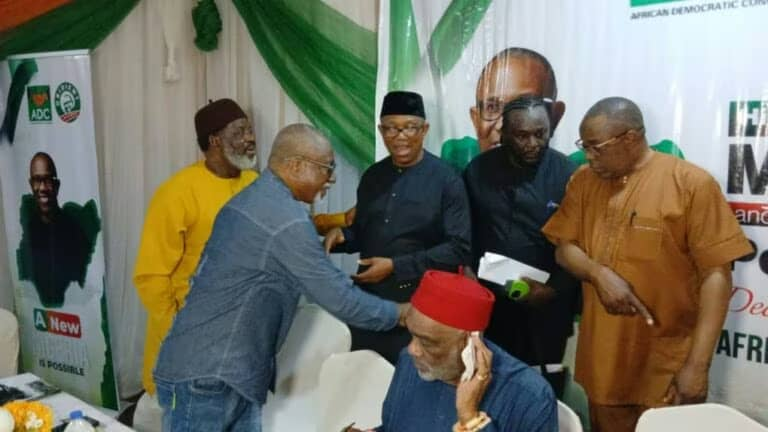
In a significant political move, Obi announced his decision to align with a broad opposition coalition under the African Democratic Congress, led by former Senate President David Mark.
Calling on members of the Obidient Movement and opposition leaders nationwide to join the coalition, Obi said the decision was guided solely by patriotism and national interest. “History may forgive wrong decisions, but it will not forgive silence in moments of national peril,” he declared.
Rejecting claims that Nigerians are tired or apathetic, Obi insisted that voters are ready to reclaim their democracy. He urged citizens to remain vigilant beyond the ballot box, describing the 2027 elections as a decisive opportunity to reset the nation’s trajectory.
He concluded with a rallying cry for unity, courage and moral leadership, expressing confidence that Nigeria’s turning point had begun.
“Together, let us move forward with resolve. A new, united, productive and inclusive Nigeria is possible.”
As the year closed, Obi’s Enugu address resonated as both a warning and a roadmap. One that places unity, truth and leadership at the centre of Nigeria’s quest for renewal.