By Paul Nwosu, PhD || AlphaTimes
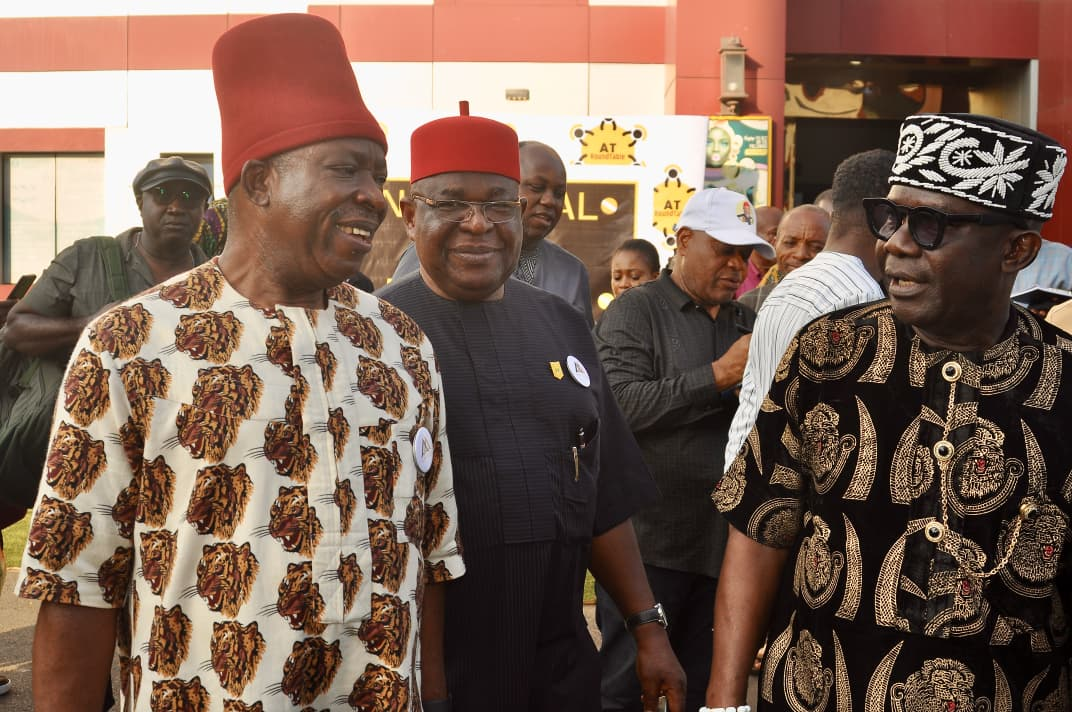
It is gratifying to note that the South-East Vision 2050 Stakeholders’ Meeting, organised by the South East Development Commission (SEDC) and held from February 3–6, 2026, substantially re-echoed the core positions earlier articulated at the AlphaTimes Inaugural AT Roundtable, convened in Awka on June 19, 2025, and chaired by Victor Umeh, Senator representing Anambra Central.
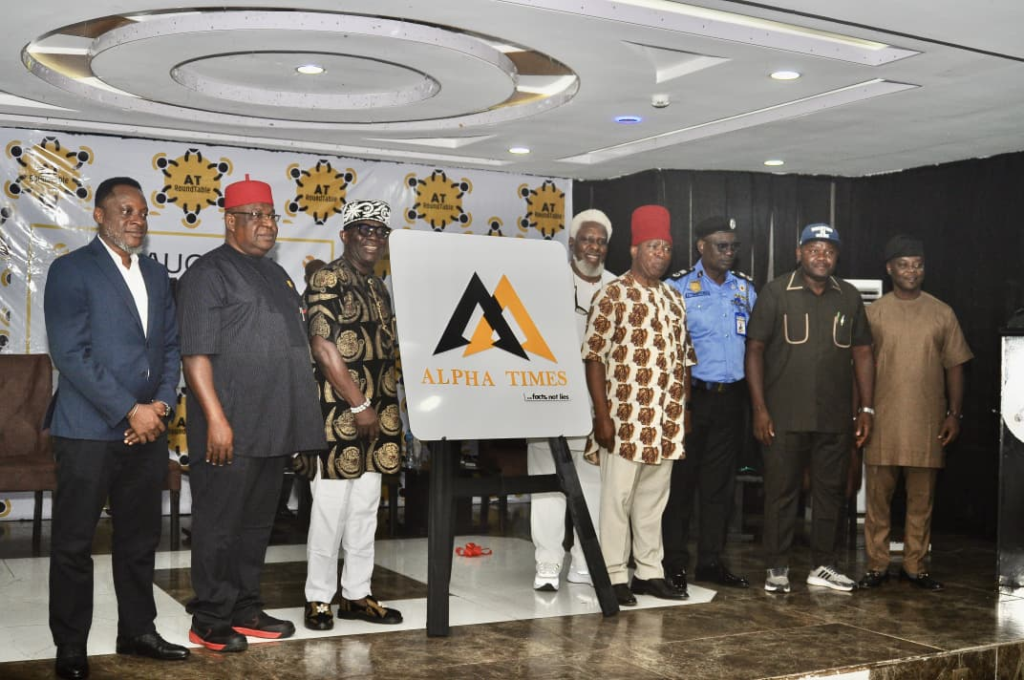
The Roundtable, themed “Harnessing the Power of Interstate Collaboration to Unlock the South-East’s Full Economic Potentials,” was organised as part of the formal transition of Anambra Times into Alpha Times, now a South-East-centric media initiative dedicated to advancing the political, economic, and socio-cultural development of the region through policy engagement and strategic storytelling.
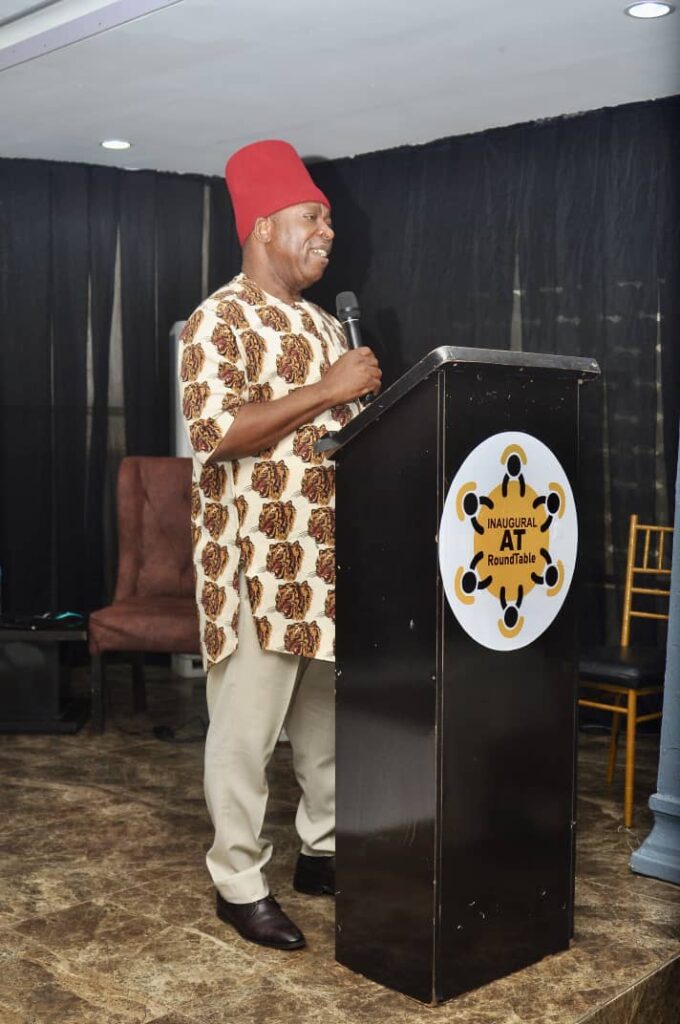
The keynote lecture was delivered by Godwin Onu, Professor of Political Science, Nnamdi Azikiwe University, Awka. His presentation was subsequently interrogated and enriched by a panel of eminent discussants drawn from academia, the legislature, state governance structures, and law enforcement, making the forum both intellectually rigorous and policy-relevant.
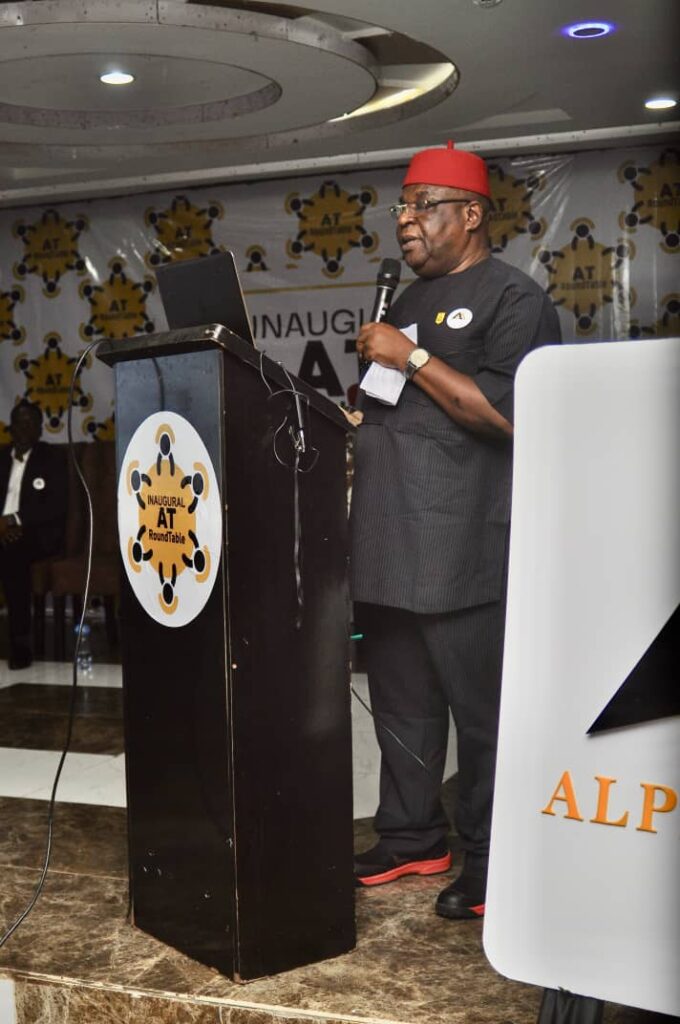
A compelling consensus emerged from the discussions: that the South-East can no longer afford fragmented development strategies pursued in isolation by individual states. Instead, speakers repeatedly argued for a concentric economic bloc, a model of structured cooperation that leverages shared identity, geography, skills, and enterprise culture to unlock economies of scale.
The Roundtable affirmed in its communiqué that regional integration is not an abstract theory but a historically proven pathway. Reference was made to the development model of the old Eastern Region under Dr. Michael Okpara, where coordinated planning drove industrialisation, agriculture and human capital development. The recently established SEDC was identified as a contemporary institutional anchor capable of reviving this cooperative ethos.

Other priority areas for alliance-based development examined by the Roundtable were education and human capital; industry, technology, and manufacturing; energy security, agriculture and innovation; transport and connectivity, environmental management and urban planning; as well as security and social stability.
While endorsing regional integration, contributors also confronted political realities. Questions were raised about fragmented political affiliations among South-East leaders and the need to frame regional cooperation in a manner that avoids mischaracterisation as secessionist. The consensus, however, was that economic integration is constitutionally permissible, economically rational, and politically necessary.
The inaugural AT Roundtable demonstrated that the South-East’s development challenge is not due to lack of ideas, but a deficit of coordination, political will, and unified leadership. The pathway forward lies in looking inward, pooling resources, synchronising policies, and acting collectively, irrespective of party differences.
Economic integration is not merely the best option for the South-East; it is the only sustainable option. In a competitive global and national economy, regions that collaborate thrive, while those that operate in silos stagnate. The future of the South-East, therefore, rests on its ability to act as one economic force—deliberate, coordinated, and confident in its capacity to shape its own destiny.