OPINION
By Polycarp Onwubiko
Public health remains one of the foremost responsibilities of governments across the world. A healthy population is the foundation of economic productivity and sustainable development. When public health is neglected, the consequences are far-reaching, ranging from disease outbreaks to reduced productivity and increased healthcare costs.
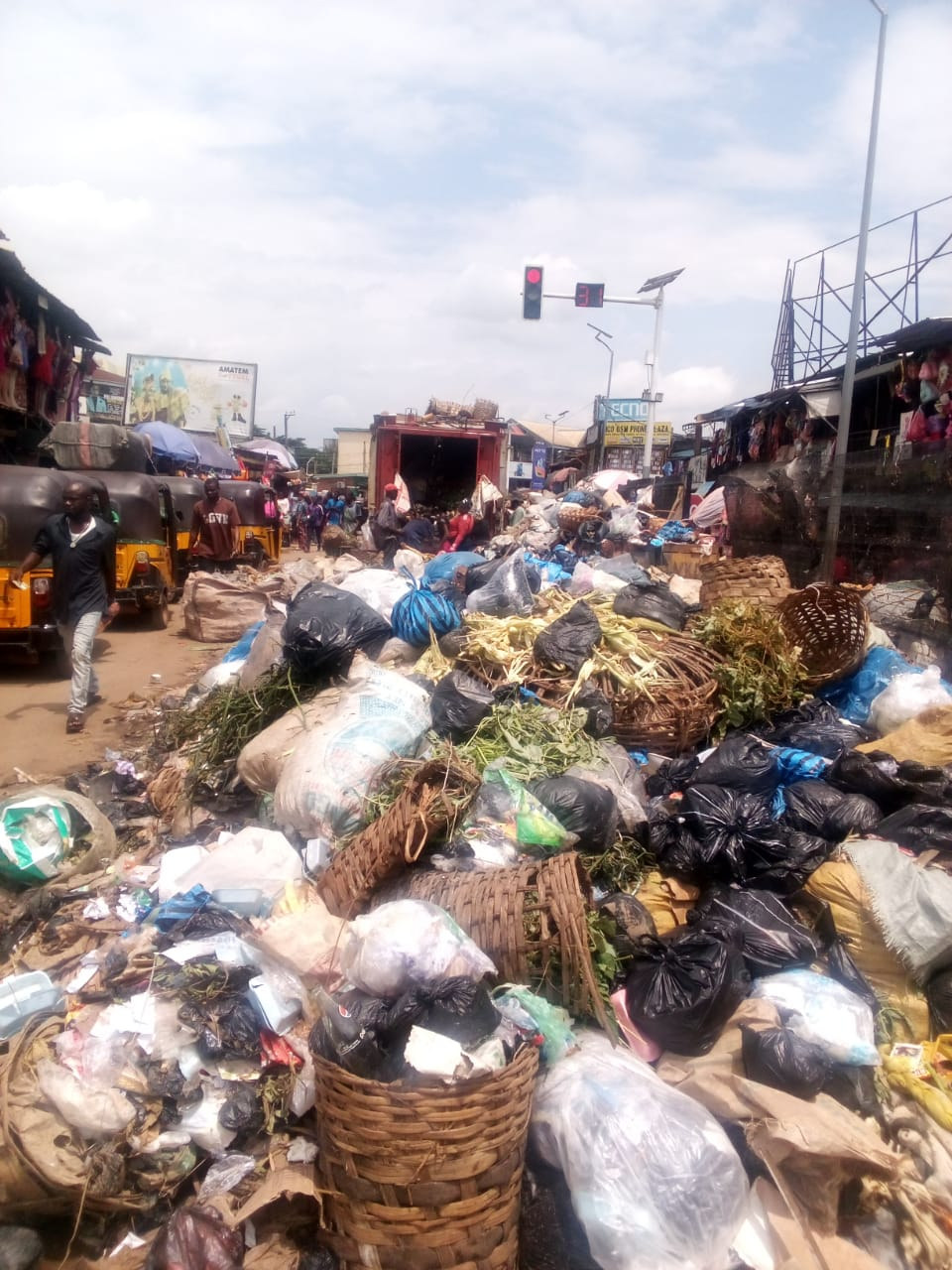
One of the most persistent public health challenges in Nigeria, particularly in urban centres, is refuse management. Although the 1999 Constitution assigns environmental sanitation and waste management primarily to local government councils, the reality across many states, including Anambra, is one of mounting refuse heaps in markets, streets and residential areas.
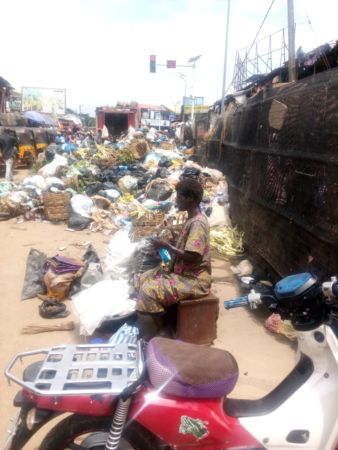
These refuse dumps have become breeding grounds for flies, rodents and other disease vectors. They also attract scavengers searching for recyclable materials or leftover food, a stark reminder of the deepening poverty confronting millions of Nigerians. Beyond the unsightly appearance, these refuse heaps pose grave health risks to residents and traders alike.
Since the Federal Government directed state governments to relinquish direct responsibility for refuse disposal and allow local government councils to assume the function, waste management has deteriorated in many parts of the country. In numerous urban centres, overflowing refuse dumps have become common sights, exposing communities to preventable diseases and imposing additional financial burdens on families through rising medical expenses.
Eke Awka Market in Anambra State presents a disturbing example of this growing crisis. For years, the massive refuse dump along Arthur Eze Avenue has generated offensive odours that have become almost unbearable. The dumps are located directly opposite shops where traders conduct business daily, forcing them to work in an environment that poses serious health hazards.
Many traders have resigned themselves to these conditions because they depend on daily sales for survival. Yet they remain continuously exposed to contaminated air, flies and other disease-causing agents that thrive around the refuse heaps.
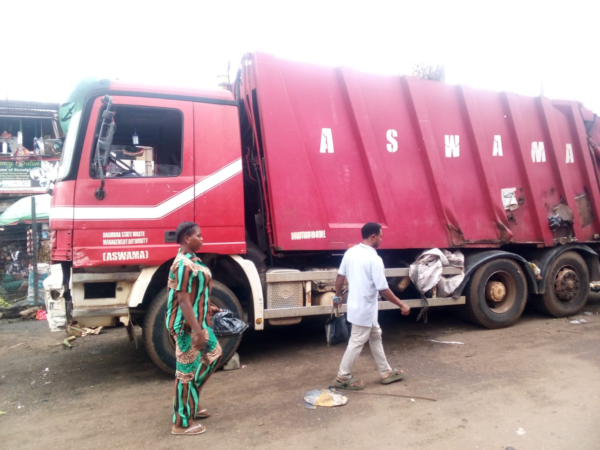
The response of the Awka South Local Government Council has been grossly inadequate. Typically, only one customised refuse collection truck and a handful of sanitation workers are deployed daily to evacuate waste. Given the enormous volume of refuse generated by one of the state’s busiest markets, this effort is clearly insufficient.
Observations at the site also suggest that many of the workers spend considerable time separating plastic containers and other recyclable materials before loading the refuse. While this reflects the harsh economic realities confronting the workers, it also slows the evacuation process.
More troubling is the apparent lack of basic protective equipment. Many sanitation workers operate without face masks, safety boots, gloves or protective overalls, exposing them to dangerous infections and hazardous working conditions. Any responsible local government should prioritise the provision of these essential safety kits while making adequate budgetary allocations for additional refuse collection vehicles.
Equally important is the need to replace ordinary tipper trucks with purpose-built refuse collection vehicles designed to transport waste without spilling it onto public roads. Modern waste management demands specialised equipment that protects both sanitation workers and the general public.
It is worth recalling that during the administration of former Governor Peter Obi, Anambra State acquired specialised refuse disposal vehicles as part of broader efforts to improve environmental sanitation and public health in line with internationally accepted standards.
Today, however, refuse dumps continue to multiply across many urban and semi-urban communities, threatening residential neighbourhoods, commercial districts and industrial areas. The public health implications are obvious and demand urgent intervention before preventable disease outbreaks occur.
Anyone passing through the refuse dump at Eke Awka Market cannot escape the offensive odour. Many instinctively cover their noses as they hurry past. The sight evokes memories of the unhygienic bucket toilet system that governments rightly abolished decades ago in favour of modern sanitation facilities.
Ironically, Eke Awka Market generates substantial revenue through levies, fees and other charges collected from thousands of traders every week. It is therefore difficult to understand why adequate investments have not been made in modern waste management infrastructure. Citizens deserve transparency regarding how these public funds are utilised.
Governor Chukwuma Soludo should urgently direct the management of Awka South Local Government Council, as well as other local government councils in the state, to treat refuse disposal as a public health priority rather than a routine sanitation exercise.
As an immediate intervention, the council should station multiple refuse collection vehicles at strategic points within the market so traders can dispose of waste directly into the vehicles instead of dumping it on the ground. Existing refuse heaps should be completely evacuated, while the affected areas should be thoroughly washed, disinfected and deodorised to eliminate years of accumulated filth and offensive odour.
Enforcement must also complement improved waste management. Traders who indiscriminately dump refuse on the ground should face stiff penalties, while sanitation marshals and relevant enforcement agencies should ensure strict compliance with environmental sanitation regulations.
A clean market is not merely an environmental objective; it is a public health necessity. Eke Awka Market deserves better, and the time for decisive action is now.