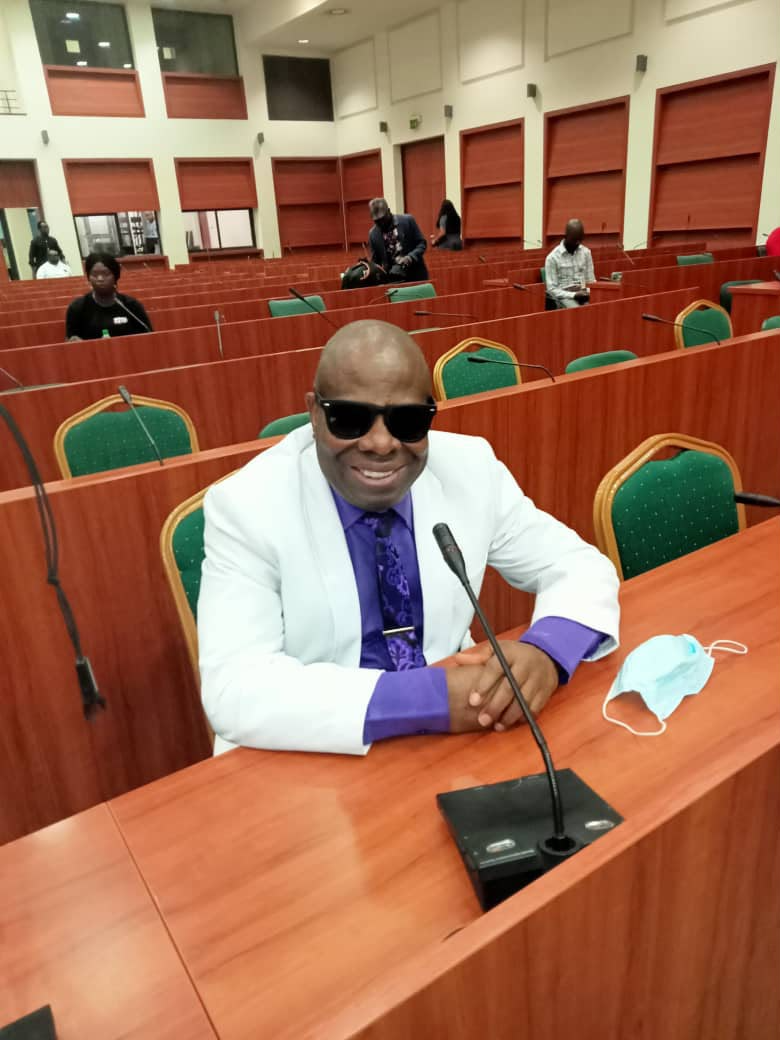
Do you recall my article on “Children with Learning Disabilities,” published during the International Week focusing attention on the plight of children with learning disabilities? I received numerous reactions from a large cross-section of society, including family, friends, and readers. I deeply appreciate the attention that was directed towards this matter. One of my favorite reactions was the critical analysis from a friend of mine and colleague, Mr. Ernest Adinwelukwa, a financial analyst and consultant, and a former Special Adviser on Cost Efficiency during the previous administration.
I trust you will enjoy his analysis as he drives home the points.
Learning Points from Chukwuka Ezewuzie Esq.’s Write-up
Theme: Promoting Inclusion, Understanding, and Support for Persons with Learning Disabilities
Here’s a breakdown of the key takeaways:
- What Learning Disabilities Are – And Aren’t
a. Learning disabilities are neurological, not an intelligence issue. They affect how a person receives, processes, stores, or responds to information—reading, writing, speaking, mathematics, and reasoning.
b. Intelligence is intact. Having a learning disability does NOT mean a person lacks talent, intelligence, or the ability to succeed.
- The Foundation: Mindset & Attitude Shift
a. Dignity first. Persons with learning disabilities deserve the same respect, opportunities, and support as everyone else.
b. Care starts with understanding, patience, acceptance, and inclusion. Stigma is the first barrier to break.
- Role of Key Stakeholders
—Families
Provide love, encouragement, and emotional support.
Celebrate individual strengths and avoid harmful comparisons.
Early identification and intervention lead to better learning outcomes and greater confidence.
—Schools/Educators
Create inclusive classrooms with appropriate accommodations.
Use diverse teaching methods that meet different learning needs.
Foster participation and a sense of belonging, not exclusion.
—Communities/Society
Actively eliminate stigma and discrimination.
Challenge harmful stereotypes.
Ensure inclusion in social, educational, recreational, and employment spaces.
—Professionals
Healthcare workers, social workers, and disability advocates must collaborate.
Provide services that boost learning, communication, independence, and quality of life.
- The Golden Rule: “Nothing About Us, Without Us”
The most important point: Listen to persons with learning disabilities.
Their experiences, ideas, and aspirations matter. Don’t make decisions for them—make decisions with them.
- The Big Picture Commitment
Build a society where every person, regardless of learning ability, is:
Valued → Respected → Empowered to reach their full potential.
Shift the focus from “limitations and barriers” to “abilities and opportunities.”
In one line:
Awareness → Understanding → Inclusion → Empowerment.
This is a call to move from pity and silence to active support, meaningful participation, and rights-based inclusion.