Opinion
By Polycarp Onwubiko
Nigeria must confront a difficult truth with clarity and restraint. Attempts to silence public officials for expressing personal views on matters of national concern pose a grave threat to democracy and national cohesion. Recent calls by some northern Islamic groups urging President Bola Tinubu to remove the Chairman of the Independent National Electoral Commission (INEC), Prof. Joash Amupitan, over comments he made strictly in his personal capacity, are therefore deeply troubling and constitutionally indefensible.
The demand, reportedly premised on Prof. Amupitan’s condemnation of killings and violence linked to religious extremism, has triggered widespread public outrage. Nigerians across religious and regional divides have rejected the call as an abuse of power and a dangerous attempt to intimidate dissenting voices. Reacting swiftly, the Pentecostal Fellowship of Nigeria (PFN), through a statement signed by its National Secretary, Bishop David Bakare, described the demand as unjustified, stressing that Prof. Amupitan, like every Nigerian citizen, has an inalienable constitutional right to express opinions on issues of national importance outside the confines of his official responsibilities.
The fellowship warned against the growing tendency to interpret national discourse through narrow religious prisms, stressing that such an approach deepens division and undermines peaceful coexistence. Punishing public officers for personal views, it argued, sets a troubling precedent and weakens democratic freedoms.
Many Nigerians remain uneasy about what they perceive as disproportionate religious and regional influence on national governance, particularly when policy decisions appear to bend under pressure from sectional interests. This perception has been shaped by historical experiences where effective government actions were stalled or reversed due to religious or ethnic considerations rather than national interest.
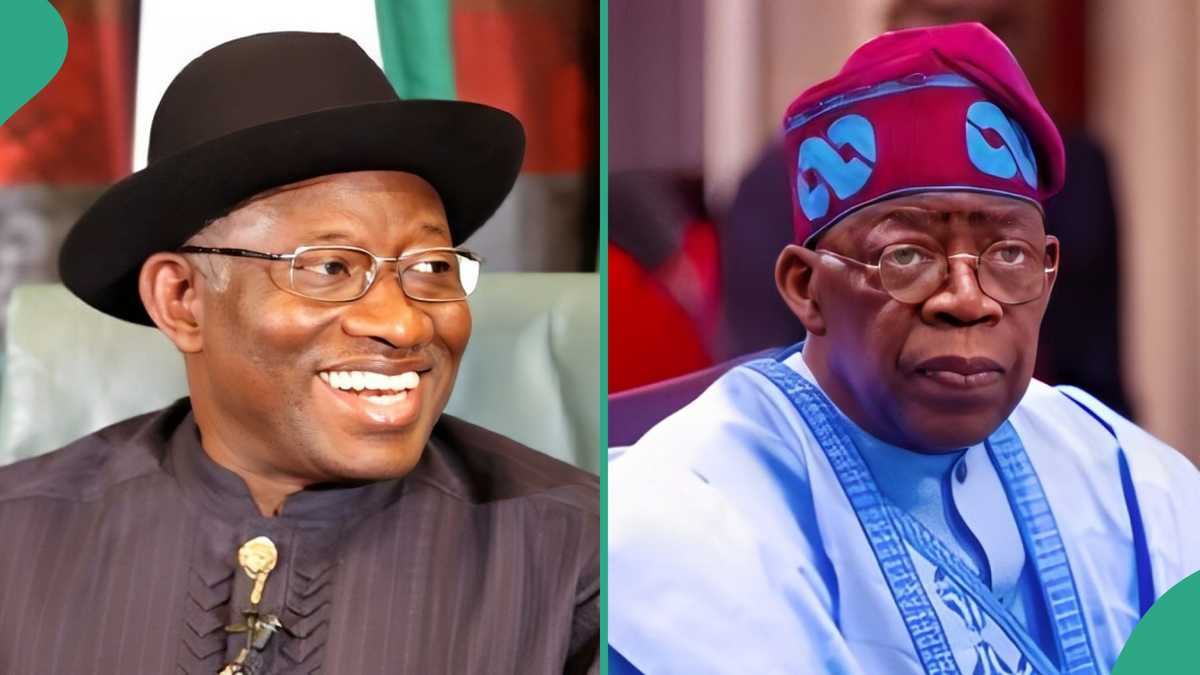
A notable example often cited is the fight against insurgency during the administration of former President Goodluck Jonathan. Initial gains recorded against extremist groups were later undermined by political pressures, leading to leadership changes that weakened momentum and allowed insurgents to regroup. Whether by coincidence or design, such reversals have reinforced public suspicion that national security and governance are sometimes subordinated to sectional sensitivities.
At the heart of these tensions lies Nigeria’s flawed structural framework. The 1999 Constitution, widely criticized as overly centralized and imbalanced, continues to fuel mistrust among the country’s diverse ethnic and religious groups. Persistent resistance to restructuring, particularly reforms that would decentralize power and security, has deepened the sense of exclusion felt in many parts of the country.
If Nigeria is to move forward as a stable, just and truly federal state, it must embrace open dialogue, protect freedom of expression, and pursue constitutional reforms through an inclusive, people-driven process. Silencing voices or yielding to sectarian pressure will only delay the urgent task of national renewal.
In this context, calls for the removal of the INEC Chairman over personal opinions should be firmly rejected. Democracy demands tolerance, balance and the courage to place national interest above sectional sentiment.