(First published on May 16, 2026)
By Paul Nwosu, PhD || AlphaTimes
Sculpture is one of humanity’s oldest languages of memory. Long before writing emerged, civilizations carved their fears, triumphs, heroes, gods, kings and aspirations into stone, wood, bronze and earth. Across history, monuments have never merely served decorative purposes; they have functioned as repositories of identity, cultural memory and civilization itself.
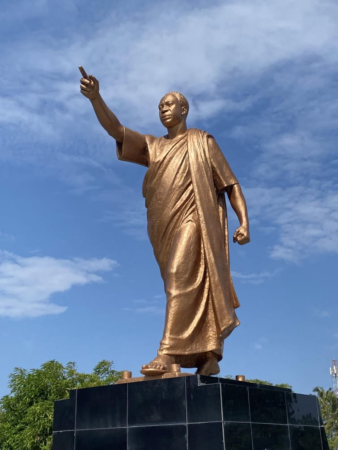
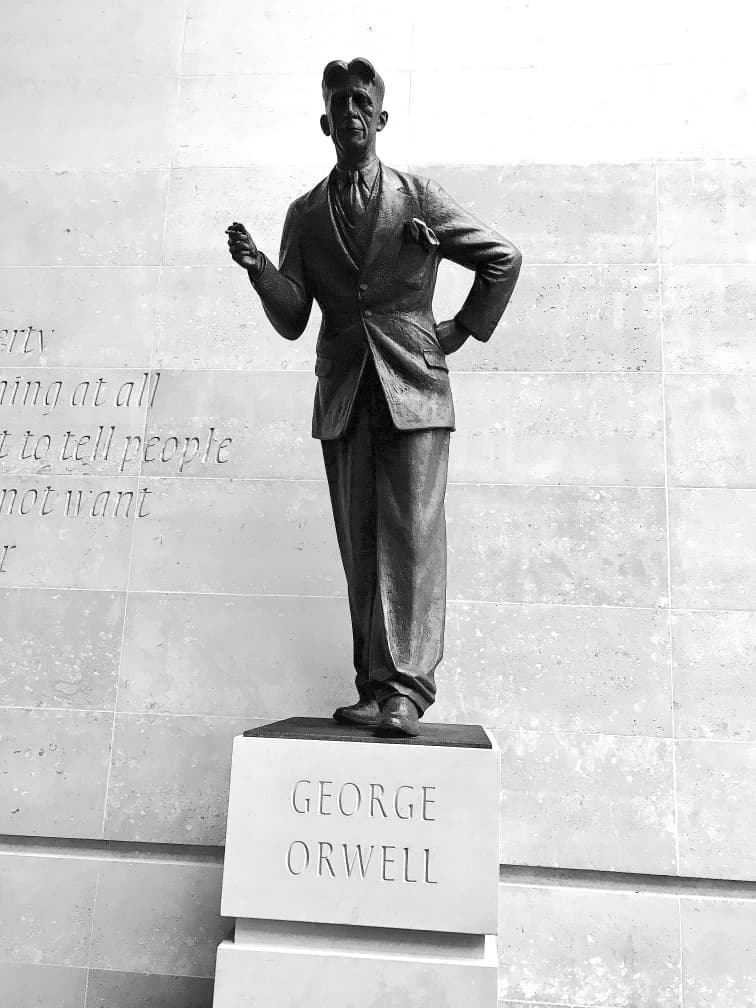
Every serious society leaves visible footprints behind. These footprints define how future generations remember them. From the pyramids of Egypt to the Buddha sculptures of Asia, from Europe’s cathedrals and statues to the monumental memorials of the Americas, enduring civilizations understood that public monuments are not ornaments. They are statements of history, power, spirituality, continuity and national consciousness.
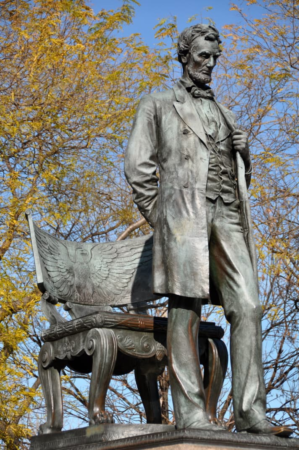
Nations that value history do not treat sculpture as roadside beautification. They see it as an instrument of identity formation, urban aesthetics, tourism development, economic growth and cultural diplomacy.
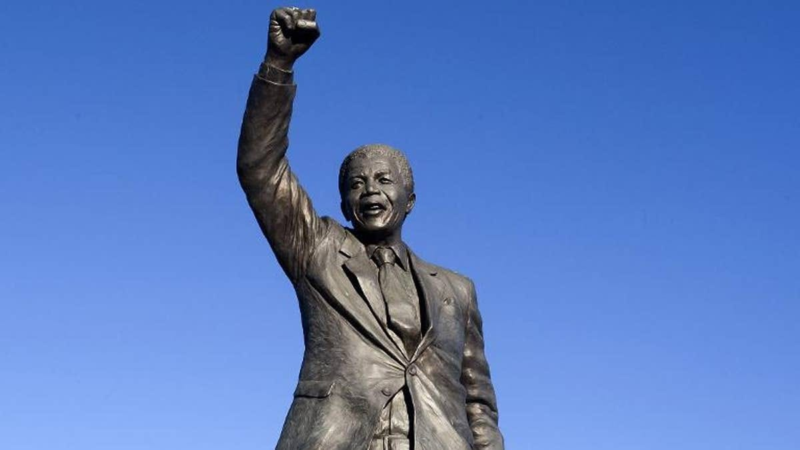
Unfortunately, what increasingly passes for public sculpture in Nigeria today, especially across many cities in the South-East, raises troubling questions about artistic standards, professionalism, cultural seriousness and legacy consciousness.
The relationship between sculpture and history is inseparable. Monuments embody the values, struggles and aspirations of a people. They preserve collective memory and tell stories of migration, spirituality, resistance, heroism and civilization.
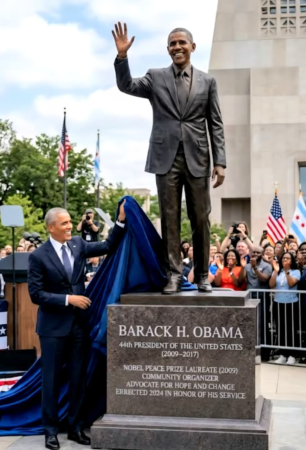
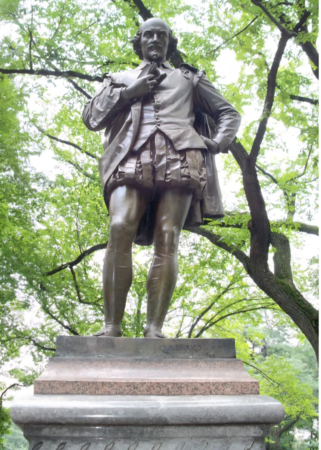
In societies that take culture seriously, public monuments are deliberately designed to outlive generations. Their creators pay painstaking attention to symbolism, durability, environmental harmony, anatomical precision, textures, posture, emotional expression and structural integrity. Such works become defining cultural signatures of cities and nations.
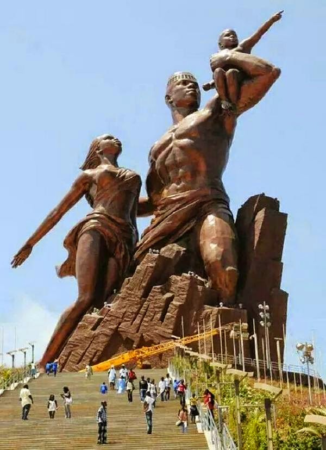
A visitor arriving in New York instinctively thinks of the Statue of Liberty. Paris evokes the Eiffel Tower. London recalls Big Ben. Beijing brings to mind the Great Wall of China. Egypt remains inseparable from the pyramids of Giza, while Senegal proudly showcases the African Renaissance Monument as a symbol of post-colonial African pride.
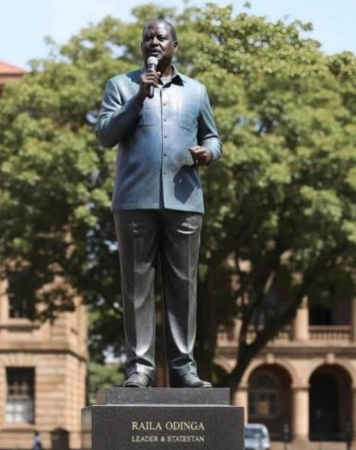
These are not accidental decorations. They are deliberate national or state investments.
Over time, they become repositories of identity and powerful instruments of soft power. Millions of tourists travel annually to experience these monuments physically, photograph them and emotionally connect with the histories they represent.
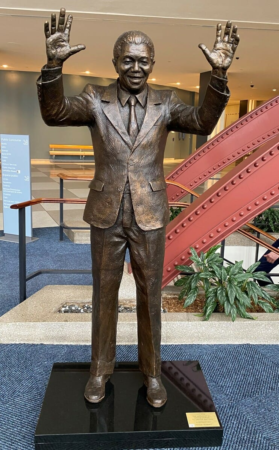
The economic implications are enormous. Monument tourism generates billions of dollars globally through hospitality, transportation, museums, entertainment, photography, crafts, restaurants, tour services and urban commerce.
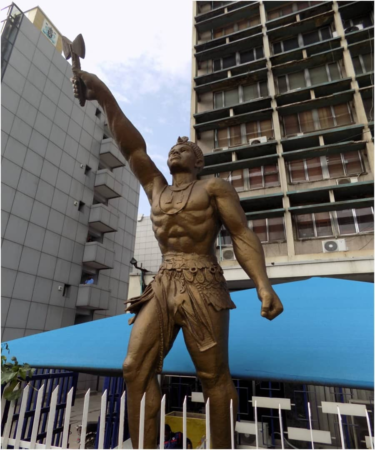
The Eiffel Tower alone contributes massively to Paris’ tourism economy, while the Statue of Liberty remains one of America’s most visited cultural symbols. Beyond revenue generation, such monuments elevate urban aesthetics, create civic pride, improve city branding and establish globally recognizable skylines.
Nature itself has also sculpted some of humanity’s greatest landmarks.
Across the world, countries have intentionally preserved unusual geographical formations as cultural and tourism assets. Mountains, caves, waterfalls, cliffs, canyons, rock formations and deserts have become defining national symbols.
The Grand Canyon in the United States is not merely a geological accident; it is a national treasure and tourism powerhouse. South Africa’s Table Mountain has become synonymous with Cape Town. Australia’s Uluru Rock combines spiritual significance with global tourism appeal. China’s Zhangjiajie sandstone pillars inspired global cinematic imagination, while Turkey’s Cappadocia cave landscapes sustain thriving tourism economies.
These natural sculptures profoundly shape culture and patterns of living. Communities around them often develop myths, festivals, crafts, architecture and economic systems tied directly to the sites. Tourism infrastructure creates jobs, stimulates enterprise, improves roads and hospitality services and increases government revenue.
Countries that understand the value of these endowments intentionally protect them through legislation, ecological preservation, tourism investment and national branding.
History consistently shows that enduring monuments are products of vision, professionalism, funding and cultural seriousness.
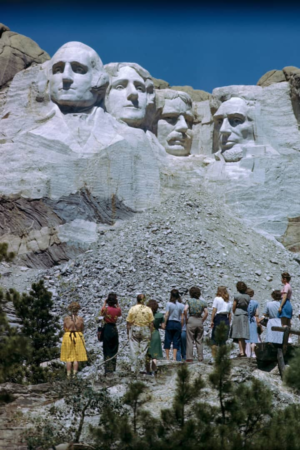
The Statue of Liberty, gifted to the United States by France in 1886, still stands as a symbol of freedom and democracy after well over a century. The Eiffel Tower, initially criticized when constructed in 1889, eventually became the defining image of Paris. The Great Wall of China represents centuries of engineering ingenuity and cultural continuity. Mount Rushmore demonstrates the ambition and precision associated with monumental sculpture. The pyramids of Egypt continue to astonish modern engineers thousands of years after their construction.
Senegal’s African Renaissance Monument towers over Dakar with imposing grandeur, reducing visitors below to tiny silhouettes. Christ the Redeemer dominates Rio de Janeiro as both spiritual symbol and tourism magnet. Brandenburg Gate symbolizes German resilience and reunification, while Big Ben and the Palace of Westminster remain enduring icons of British political heritage.
These monuments endure because their creators approached them with seriousness, technical mastery, premium materials and long-term vision.
Contrast these global masterpieces with much of what is increasingly erected in many Nigerian today in the name of beautification.
Across numerous roundabouts and road intersections, particularly in parts of the South-East, one encounters what can scarcely qualify as monumental sculpture. What should symbolize civilization often resembles oversized toys, caricatures, mannequins or frightening artifacts lacking proportion, detailing, anatomical accuracy and artistic refinement.
Many deteriorate within a few years under harsh tropical weather. Paint peels off. Cracks emerge. Shapes deform. Rust spreads. In some cases, the subjects supposedly represented become almost unrecognizable. Rather than inspire civic pride, some provoke embarrassment.
One of the most disturbing aspects of this trend is the absence of painstaking detail. Great sculptors pay close attention to musculature, facial expression, balance, drapery, posture, proportion and environmental integration. By contrast, many contemporary public sculptures in Nigeria appear hurriedly executed for contract purposes rather than posterity.
The objective increasingly seems transactional rather than civilizational.
To be continued in Part II.