OPINION
By Polycarp Onwubiko
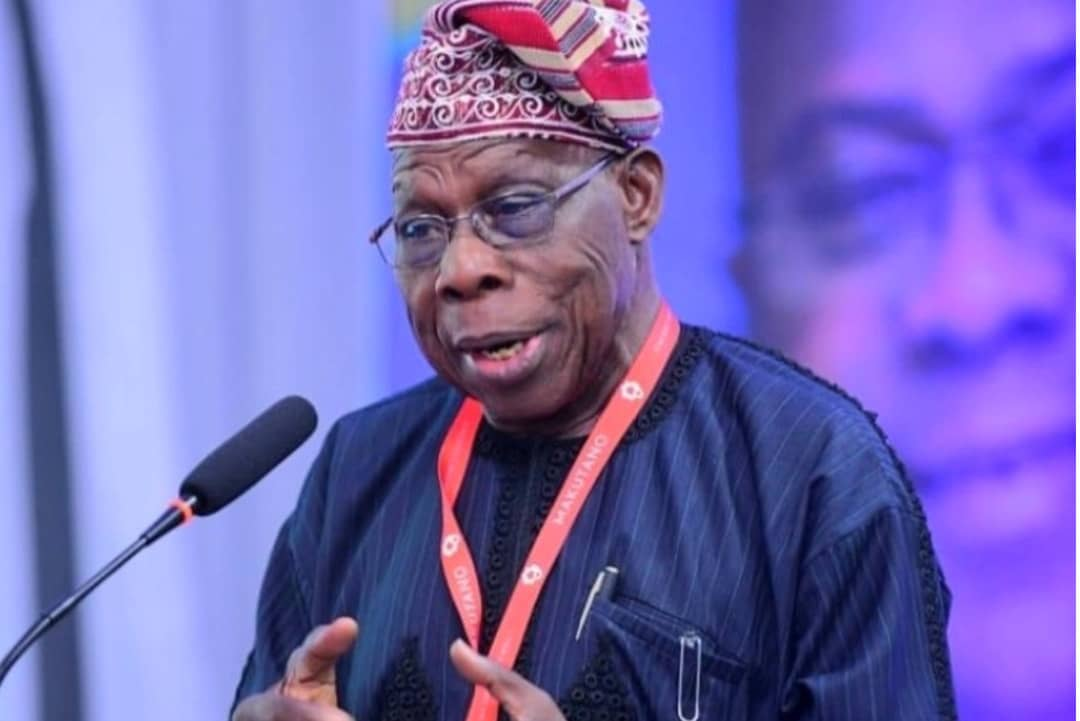
Former President Olusegun Obasanjo is widely known for his sharp wit and fondness for humour. Yet the presidency is an office where words, jokes included, carry enormous weight. Every public utterance by a sitting or former president is easily interpreted as a signal of state policy or national direction.
In a recent media report, Chief Obasanjo lamented the state of the nation, remarking, half in jest, that he would have preferred to see Nigeria in a better condition, especially now that, as a popular expression goes, he is “at the departure lounge” of earthly life, awaiting the inevitable journey beyond. Beneath the humour, however, lay a serious concern: the erosion of the federal system and the steady weakening of Nigeria’s constitutional secularism.
This lament raises an uncomfortable irony. During Obasanjo’s presidency, Nigeria witnessed one of the most consequential challenges to its secular character: the formal adoption of Sharia law by some northern states, beginning with Zamfara State under its then governor. Many Nigerians expected the federal government to respond firmly to what they perceived as a clear constitutional breach. Instead, the president reportedly downplayed the development as “political Sharia”, a remark widely regarded as flippant and dismissive.
That response angered many citizens of other faiths who felt the issue was trivialized. More troubling, the remark appeared to embolden other states in the so-called core North to follow suit, expanding Sharia governance without decisive intervention from the federal authorities or the National Assembly. What began as a joke, critics argue, soon hardened into policy reality.
In the years that followed, religious tensions intensified. Allegations of sectarian violence, often involving vulnerable and poorly educated youths, further deepened national fractures. To many observers, this period marked a turning point, the moment Nigeria’s secular foundations began to visibly crack.
Against this backdrop, Obasanjo’s present regret that Nigeria has been “destroyed” strikes some as belated. Critics contend that the seeds of today’s crisis were sown during his tenure, when opportunities existed to assert constitutional supremacy and national cohesion.
The narrative now circulating frames Nigeria’s predicament as the culmination of long-standing ambitions by powerful interests to reshape the country’s identity. In this telling, recent international developments, including actions associated with Donald Trump, are interpreted by some through a religious or moral lens, as divine intervention on behalf of persecuted Christians. While such interpretations are deeply personal and faith-based, they underscore the intensity of feeling surrounding Nigeria’s ongoing struggle with identity, governance and unity.
Ultimately, Obasanjo’s “departure lounge” lament resonates not because of its humour, but because it forces a reckoning: words spoken lightly by leaders can have heavy consequences, and history has a way of returning those words for sober reflection.