By Ifeanyi E. Ihegwuruike || AlphaTimes
Renowned researcher, Professor Ebele Emengini, has said that the geospatial characteristics of Igbos is not yet appreciated in Nigeria, stressing that when it is appreciated, it ought to be seen as catalyst to National Development and not tool for rancour.
Emengini further said that national development refers not only to GDP growth or infrastructural expansion, but also to human development, institutional resiliency, social equity, cultural vitality, and political inclusion.
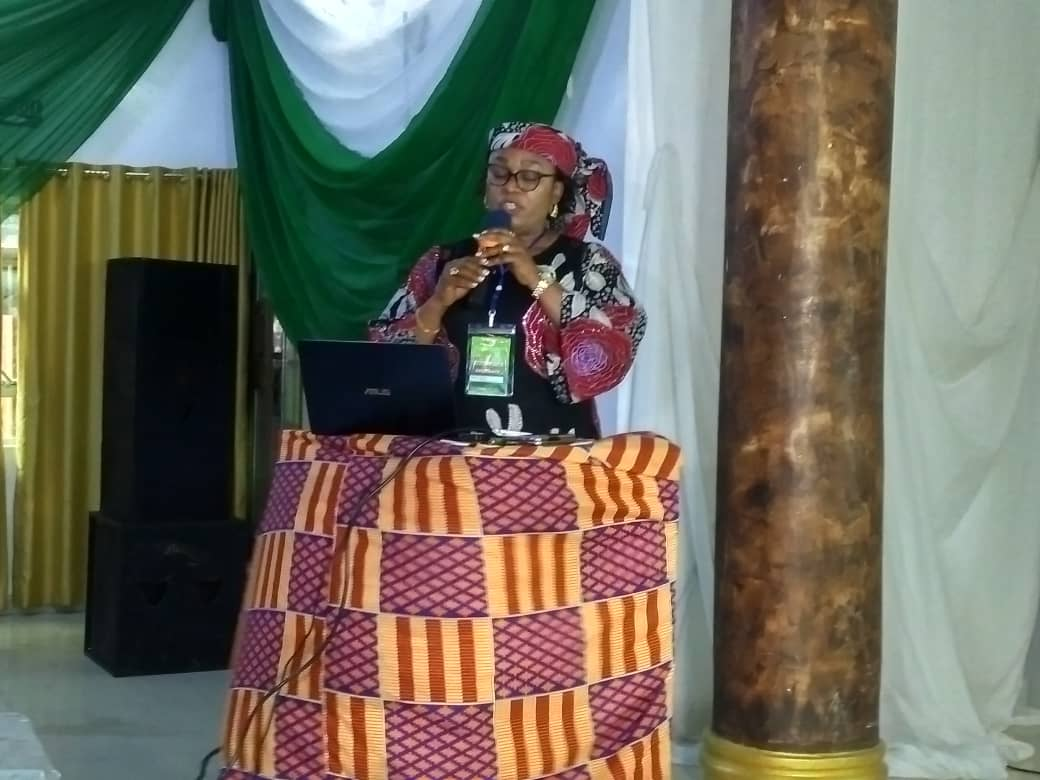
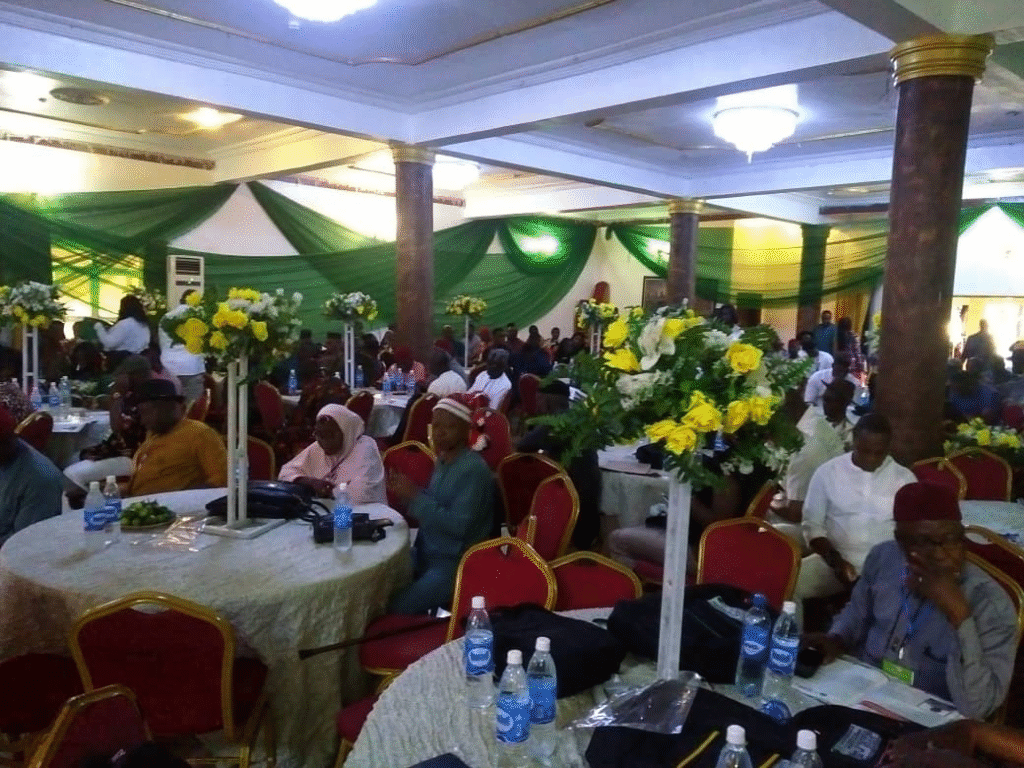
She said the above while presenting her paper as a a guest lecturer at the 2025 Eastern Surveyors Forum (ESF) Annual General Meeting (AGM)/3rd Surveyor Shadrach Wokemba Memorial Lecture in Aba, Abia State, on 24th October, 2025.
Emengini, Nigeria’s first female professor of surveying and geoinformatics, on her paper presentarion titled “Geospatial Analysis Of Igbo Diversity in Nigeria and Its Contributions to National Development”, said that the Igbo are one of Nigeria’s most widely dispersed ethnic groups, and their migration patterns have produced thriving communities in nearly every major city in Nigeria.
Speaking further, the erudite scholar said that it is important to understand who the Igbos are demographically, culturally, and spatially because it is a prerequisite for mapping how their diversity contributes to broader national development in a country in which they are a major ethnic group.
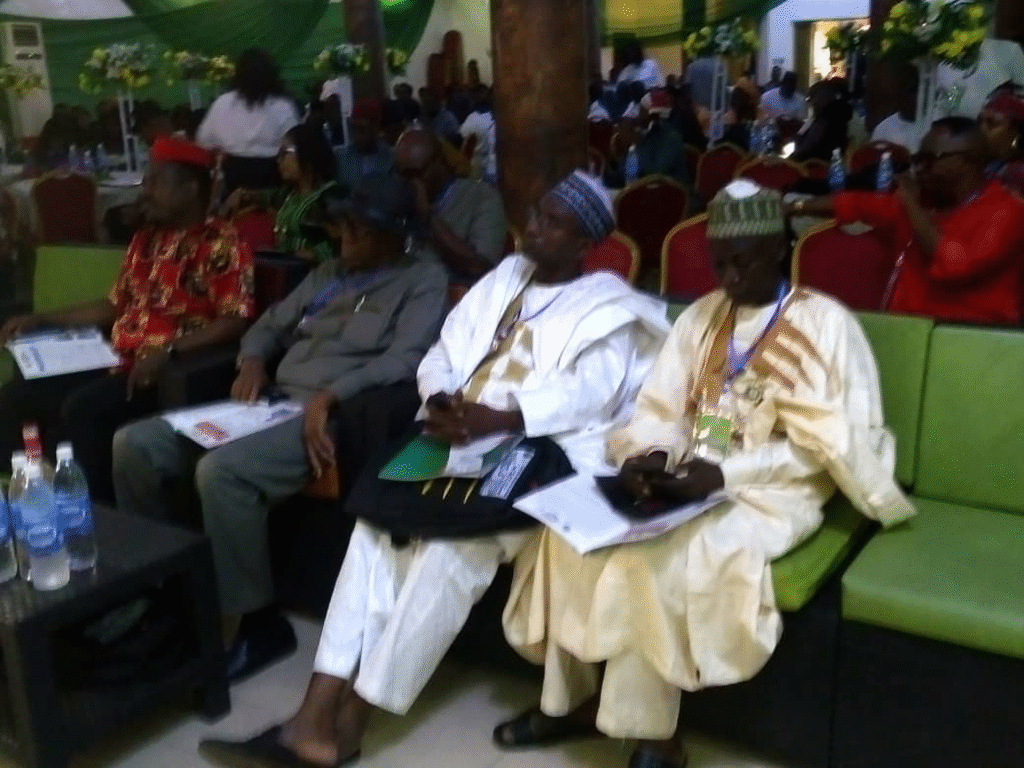
She explains that the Igbos have not only maintained strong roots in their homeland over time but have dispersed widely within Nigeria and abroad, forming diasporic networks and urban enclaves that influence both local economies and national discourse.
Emengini stressed that pieces of evidence available have shown that Igbo diversity has contributed a lot to national development, stressing that if Nigeria truly wants to develop, it must develop geospatially.
“Lagos, Nigeria’s commercial capital, illustrates the scale of Igbo entrepreneurship. From Balogun to Alaba and Ladipo Market, Igbo traders dominate supply chains, generating trillions of naira annually in trade volume.
“Beyond markets, Igbo investors have helped transform Lagos’s skyline through substantial real estate acquisition in areas such as Lekki and Festac.
“These investments create employment across ethnic lines and underpin Lagos’s position as West Africa’s largest urban economy.”
Emengini said that despite the historical tensions and the legacy of the Civil War, Igbo communities remain pivotal to Northern Nigeria commerce.
Emengini, stressed that there are serious challenges facing the Igbos in harnessing their diversity for full-scale development in their own land, adding that despite the contributions of the Igbos to national development.
She said that despite all of the above, the Igbo experience also highlights Nigeria’s unfinished challenges, as accurate demographic data remains elusive because of politicised and outdated censuses, leaving planners to rely on estimates rather than precise mapping of where tens of millions of Igbo actually live.
Emengini called on the Federal Government to make policies that will encourage development of all parts of Nigeria, giving citizens freedom to invest anywhere they wish, stressing that geospatial diversity and migration remain the backbone of the Igbo national story.
She said that support for Igbo trade networks and apprenticeship systems can spur small business growth; investment in transport corridors linking the southeast to other regions can unlock further national integration.
Emengini said that Igbo people illustrate how ethnic diversity, when understood spatially, can be a catalyst rather than an obstacle to national progress.
She advised the federal government that also making policies to invest in Igbo economic hubs like Aba and Onitsha will be a swift pathway for rapid development, stressing that these cities are already thriving as centres for commerce and manufacturing but often face significant infrastructure deficits.
The president of the Nigerian Institution of Surveyors (NIS), Surveyor Chukwuemeka Pius Eze, said that today, all surveyors gathered in Aba to pay tribute to an astute professional, Surveyor Shadrach Wokemba.
Eze described Wokemba as his mentor, a great leader and past president of the Nigerian Institution of Surveyors (NIS) and the Surveyors Registration Council of Nigeria (SURCON), who laid the legacies that formed the template for the practice of their profession.
He said that the choice of Surveyor Professor Ebele Emengini as the lecturer will help to bring out the intellectual dynamism needed in the discussion, given her rich background as a well-trained researcher.
Chairman of the Eastern Surveyors Forum (ESF), Surveyor Gabby Okeke, said that, apart from gathering in honour of Surveyor Shadrach Wokemba, it is also an important factor that the AGM will be remembered as the first time ESF is bringing all the surveyors from different walks of life to Aba, Abia State.
Okeke explained that the first edition of the ESF AGM/Wokemba Memorial Lecture took place at Enugu in 2019; the second edition took place at Owerri in 2024, and this year, they decided to taste Aba.
He described the late Wokemba as a man full of ideas, whose major preoccupation while on earth was all about how to uplift the living standards of Nigerian surveyors and how to make NIS and SURCON enviable professional bodies.
Chairman of the Nigerian Institution of Surveyors (NIS) Abia State Branch, Surveyor Robert Ihemegbulam, said that Surveyor Shadrach Wokemba, an illustrious son of Abia from Owo-Ahiafor, in Obingwa LGA, served with great distinction as president of NIS and SURCON.
Ihemegbulam said that the 2025 theme, “Geospatial Analysis Of Igbo Diversity in Nigeria and Its Contributions To National Development”, is both timely and thought-provoking.