By Anastasia Agunwa :
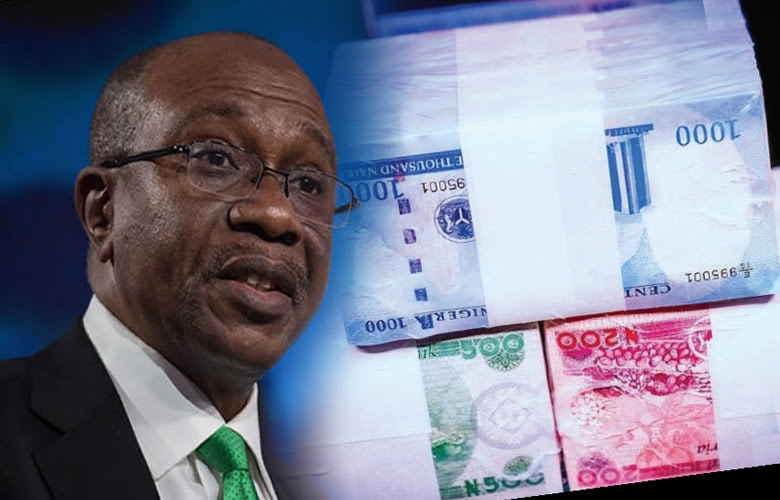
The Supreme Court on Friday declared that the old and the new Naira notes of 200, 500 and 1000 remain in circulation as a legal tender until December, this year.
The Apex court held that the demonetisation policy was not in consonant with the constitution, adding that the three months notice was not satisfactory.
The Seven-Man panel of Justices led by Justice Emmanuel Agim, held that the decision of the president on the new monetary policy should have been made after consultation with all the stakeholders and not the decision being handed down after personal engagement with the Central Bank of Nigeria, CBN.
On the argument that the CBN is not a party to the suit, the court held that the argument is invalid on the bases that the introduction of the new naira policy is the action of the federal government who is a defendant in the suit.
According to supreme court, the CBN is an agency of the government which only act on the dictates of the Presidency.
Therefore, it maintained that CBN was an unnecessary party to the suit, adding that the suit can be heard and determined without the joinder of CBN as a party.
Also, Justice Agim held that the court had the jurisdiction to hear and determine the suit, therefore, dismissed all the preliminary objection for lacking in merit.
The Apex Court further held that President Muhammadu Buhari breached the Constitution of the Federation in the ways and manners he issued directives for the re-designing of the Naira by the Central Bank of Nigeria CBN.
Justice Emmanuel Agim held that the President acted Ulta vires by his glaring failure to consult with the National Council of States, Federal Executive Council(FEC) and the National Economic Council NEC before directing the Central Bank of Nigeria to unlawfully introduce new Naira notes.
He held that the unconstitutional use of powers by President Buhari on Naira Re-designing has breached the fundermrntal rights of the Nigerian citizens in various ways.
The Apex Court said such use of powers by President Buhari is not permitted under democracy and in a plural society like the Nigerian nation.
Among others, the Supreme Court held that unlawful use of executive powers by the President inflicted unprecedented economic hardship on the citizens by denying them ownership of their monies and access to the money.
Reacting to the decision of the Apex court, governors Yahaya Bello of Kogi State, Bello Metawalle of Zamfara and Nasir El’Rufai of Kaduna state expressed satisfaction, adding that it was for the benefit of the people of the country.