By Charles Nwoke || AlphaTimes
Stakeholders in Ebonyi State have called for the state’s draft Gender Policy to address the exclusion of women from family inheritance and improve the enforcement of existing laws that protect women and girls.
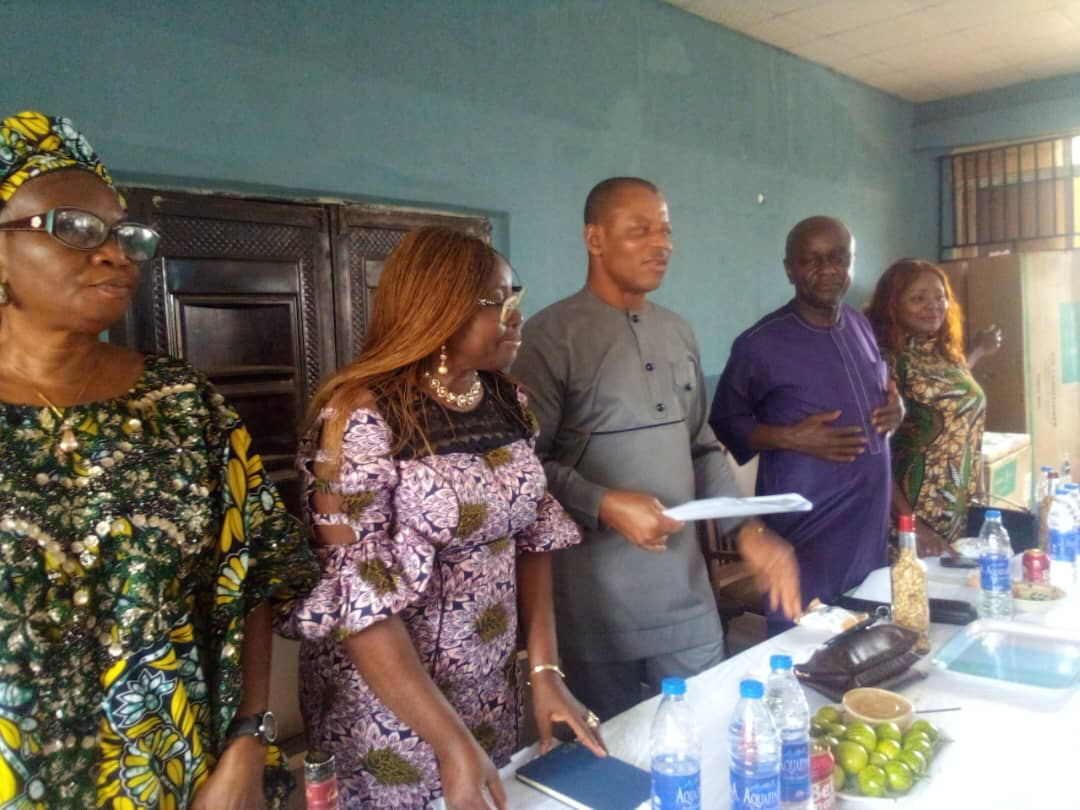
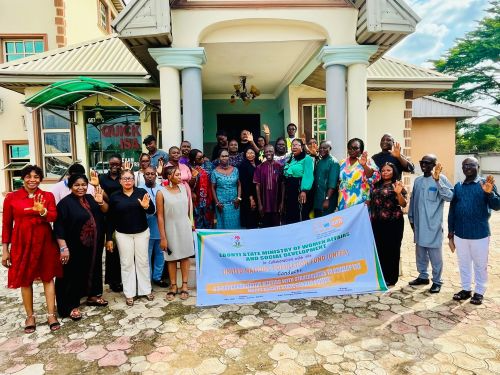
The demand was made during a two-day consultative meeting held on June 9 and 10, 2026, in Abakaliki, the Ebonyi State capital, to review and develop the policy framework.
The meeting was organised by the Ebonyi State Ministry of Women Affairs and Social Development in partnership with the United Nations Population Fund (UNFPA), the United Nations agency responsible for issues related to sexual and reproductive health.
Participants from civil society organisations, ministries, departments and agencies, including the Ministries of Women Affairs, Justice, Budget and Planning, Finance, Health, Information, the Police, and other security agencies, identified gender-based violence (GBV) as a major concern in the state.
Although stakeholders acknowledged that GBV affects both men and women, they noted that women and girls remain the most affected due to harmful widowhood practices, women’s disinheritance, early and forced marriage, preference for male children, exclusion of women from leadership positions, and denial of reproductive rights.
They expressed concern that despite the existence of laws such as the Violence Against Persons Prohibition (VAPP) Law, Child Rights Law, and Maternal Mortality Law, their impact has remained limited because of weak implementation.
The stakeholders urged the Ebonyi State Gender Policy to prioritise women’s education, economic empowerment, inheritance rights, and increased participation in politics and leadership.
They also called for stronger implementation strategies for existing gender-related laws, including effective sanctions against individuals and institutions that obstruct justice in gender-based violence cases.
Declaring the meeting open, the Commissioner for Women Affairs and Social Development, Felicia Nwamkpuma, described the policy development process as a move towards building an equitable Ebonyi State.
Nwamkpuma, who was represented by the Director of Administration, Chief Charles Nwali, said the policy would provide a framework for integrating gender considerations into government budgets, laws, and socio-economic programmes.
“This policy will serve as our official blueprint to mainstream gender into budgetary allocations, legislative frameworks, and socio-economic programmes. It will provide structured mechanisms to tackle Gender-Based Violence (GBV), improve girl-child education, and ensure equal economic opportunities for all,” she said.
The commissioner appreciated UNFPA for its support and urged stakeholders to ensure that the policy reflected the realities, cultural practices, and specific needs of Ebonyi residents.
“We are not here to copy a generic template, but we are here to draft a policy rooted in the realities, cultural nuances, and specific needs of the people of Ebonyi State,” she added.
The Head of Department, Women Affairs and UNFPA Project Director, Nwakaego Igboke, said the objective of the policy was to create a framework where every resident, regardless of gender, age, or disability status, would have equal access to opportunities and benefits.
Igboke explained that the validated draft would become Ebonyi State’s domesticated version of Nigeria’s 2021 National Gender Policy.
She identified poverty and lack of awareness as major barriers affecting efforts to reduce gender-based violence and expressed confidence that the new policy would help address the challenge.
The policy consultant, Dr Doris Aja-Okohu, said data from the Nigeria Demographic and Health Survey (NDHS) reports of 2013, 2018, and 2024 showed that progress in reducing GBV, improving women’s economic empowerment, tackling child marriage, and eliminating female genital mutilation has been slow.
She noted that while improvements had been recorded, more efforts were needed to increase women’s school attendance, economic independence, political participation, and protection from domestic violence.
“We are not really where we used to be, but we really need to work harder because a lot of progress needs to be made in most indicators such as women’s attendance at school, women’s economic independence, domestic violence and women’s inclusion in politics and leadership,” Aja-Okohu said.
She expressed optimism that the draft Ebonyi State Gender Policy would provide solutions to key gender challenges facing the state.
Goodwill messages were delivered by the Secretary to the Ebonyi State Government, Prof. Grace Umezurike, represented by Patrick Opoke, and the Executive Director of BERWO, Chukwuma Elom, who spoke on behalf of civil society organisations.