The Vision That Started It All
By Paul Nwosu PhD || AlphaTimes
For a better appreciation of Brand Anambra, it is important to put it in context to enable us understand the background that created the need for the State’s rebranding and reorientation.
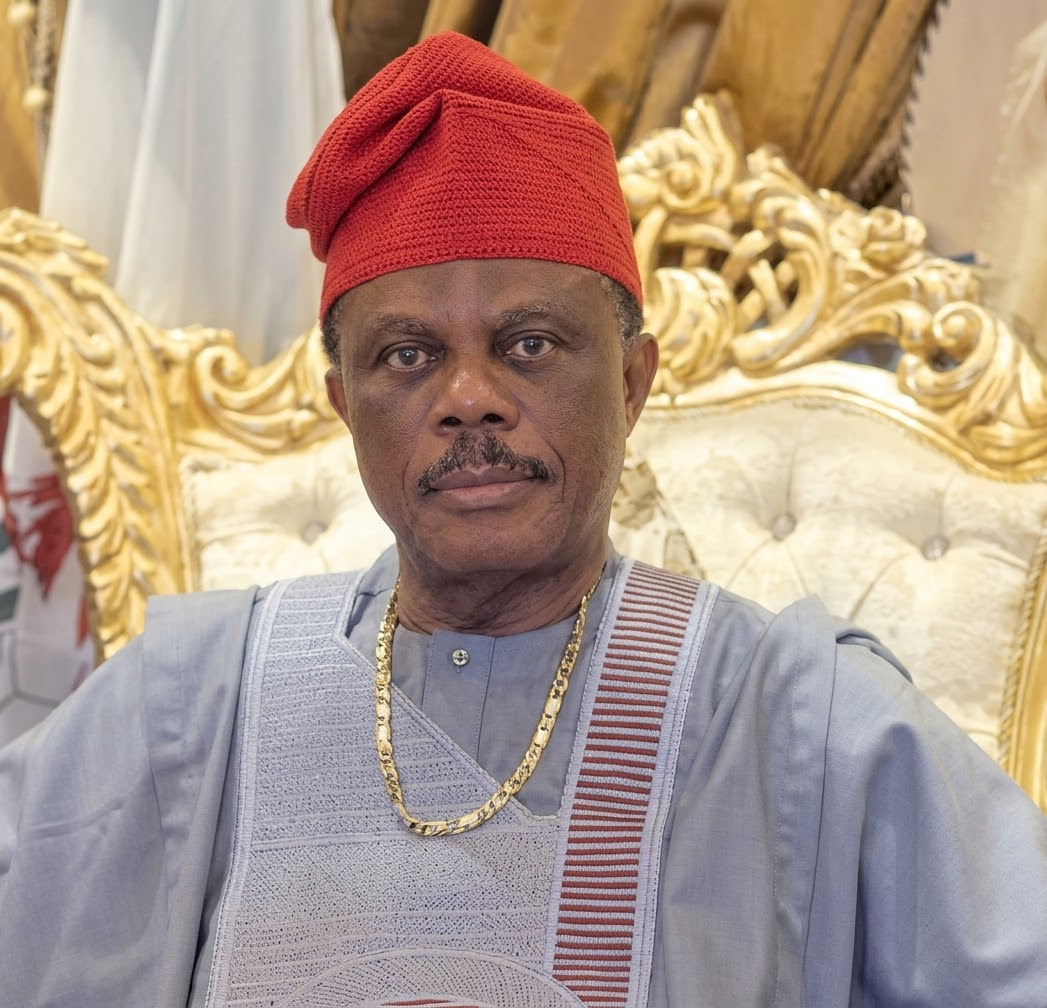
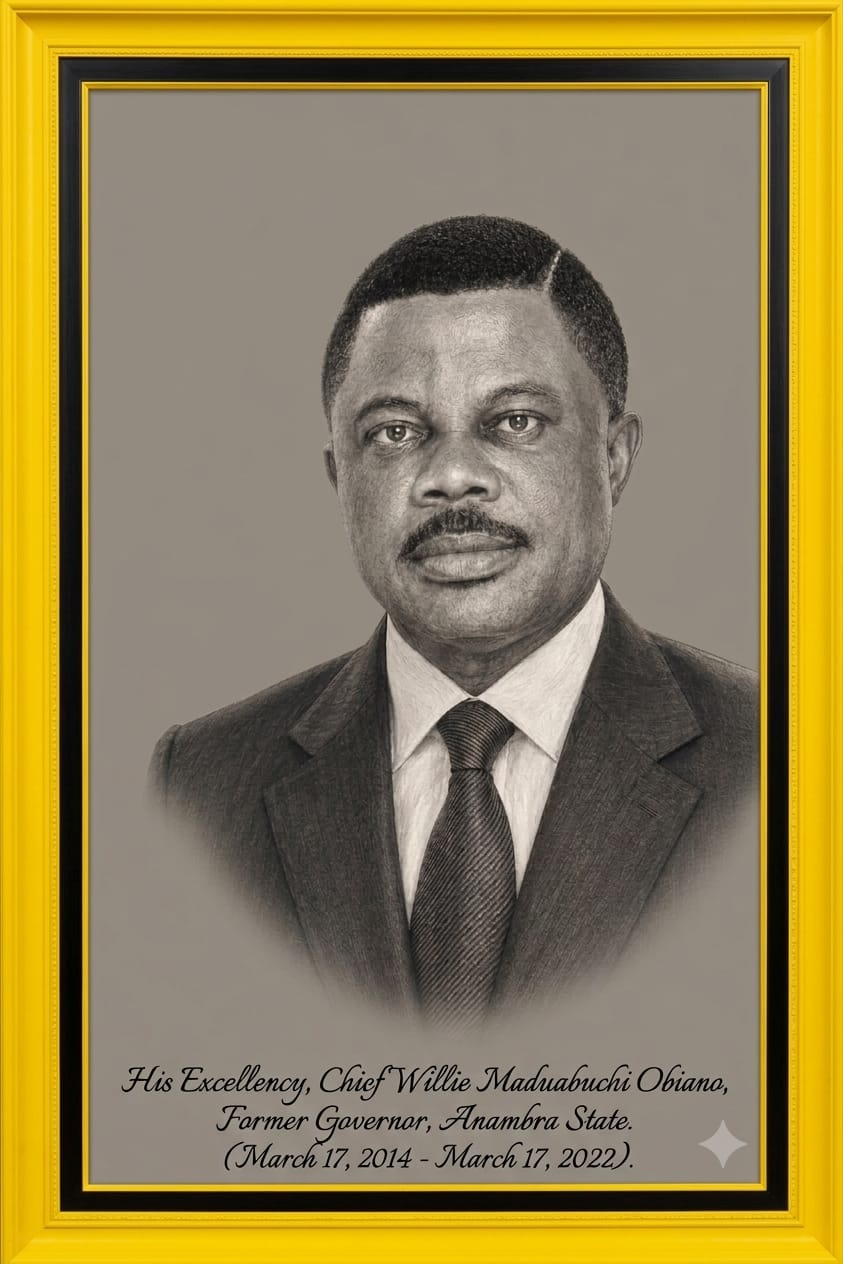
His Excellency, Chief Willie Maduabuchi Obiano, former Governor of Anambra State, said something that some of us found quite curious at one of the early Strategic Planning Retreats for the new political appointees held at Queens Suite, Awka. He was unveiling his Vision and Mission Statements to us, the new members of his team.
In his preamble, he said that when a man talks about his Vision to others, most of them may tend to see him as a mad man because they do not see what he is seeing. And the more he tries to convince them that his vision is possible to realise, the more they may think he is under some fever-induced hallucination.
Yet what they may consider impossible, to the visioner is a realisable goal, one that can be achieved through a systematic journey plan already constructed in his mind. It is not until that journey plan is laid out step-by-step in the form of a Mission Statement that others can begin to appreciate that the dream is achievable in practical and physical terms.
It was the vision of men and women that broke iron walls and crashed steel ceilings in virtually every sphere of human endeavour, enabling humanity to make humongous strides in science and technology and, ultimately build the modern society we have today from what Thomas Hobbes described as the state of nature.
We therefore live in a dreamers’ world, where it is possible to give practical effect to our visions, provided there is the determination to follow them through. That determination, however, must necessarily be guided by well-articulated steps that provide an objective roadmap to the realisation of the dream.
So, Obiano’s vision was “for the State to become the first-choice investment destination and the most preferred location to site new industries.”
To an untrained mind, this might have seemed like a mirage, perhaps too ambitious to be realistic. But Obiano had already figured out what needed to be done to realise this vision. And it had been carefully laid out in his Mission Statement which is: “To create a socially stable, business friendly environment that will attract both indigenes and foreigners to seek wealth creating opportunities in Anambra State.”
To realise this vision, therefore, Anambra State had to be safe to live in and socially stable to sustain legitimate wealth creating activities. The State had to emplace the right atmosphere capable of nurturing and nourishing all the elements that would encourage investments, industries and private enterprises to thrive.
To forge the kind of environment he envisaged, Obiano constituted the Anambra State Economic Think Tank (ANETT), a team of economic experts and advisers led by Macauley Atasie. Its responsibility was to develop the Anambra Economic Blueprint, which would serve as the strategic template for driving his Mission.
The team came up with 14 Economic Enablers to be developed in order to establish the right environment for the administration’s objectives to be achieved.
First on the list, expectedly, was security, followed by education/youth and sports, healthcare, environment, housing and urban development, women and children affairs, roads and bridges, power/electricity, transport, airport, seaport, ICT, reforms and institutions.
These Enablers were expected to provide the foundation necessary to support and stimulate a conducive atmosphere for agriculture, trade and commerce, industry and, oil and gas to thrive. These are areas in which Anambra State commands significant comparative advantages.
The development architecture was expected to produce higher GDP, more jobs, improved food production, capital inflow, social stability, modernisation, shelter and export. And these objectives were realised to a very large extent.
The Japanese advertising phrase associated with Toyota, “Yo Shinai, Yo Kangai,” meaning “good thinking, good product”, aptly captures the thought process behind the Obiano administration and the subsequent laudable outcomes from that administration.
But the story of Brand Anambra was not to end with economic planning alone. There was another, perhaps equally important, dimension to the vision: the people themselves.
(To be continued tomorrow)