By Juliana Nwachukwu || AlphaTimes
Democracy and electoral integrity advocate, Nonso Orakwe, has called for renewed national conversation on electronic voting in Nigeria, arguing that the country can adapt the same technology that powers Automated Teller Machine, ATM, transactions to strengthen its electoral process.
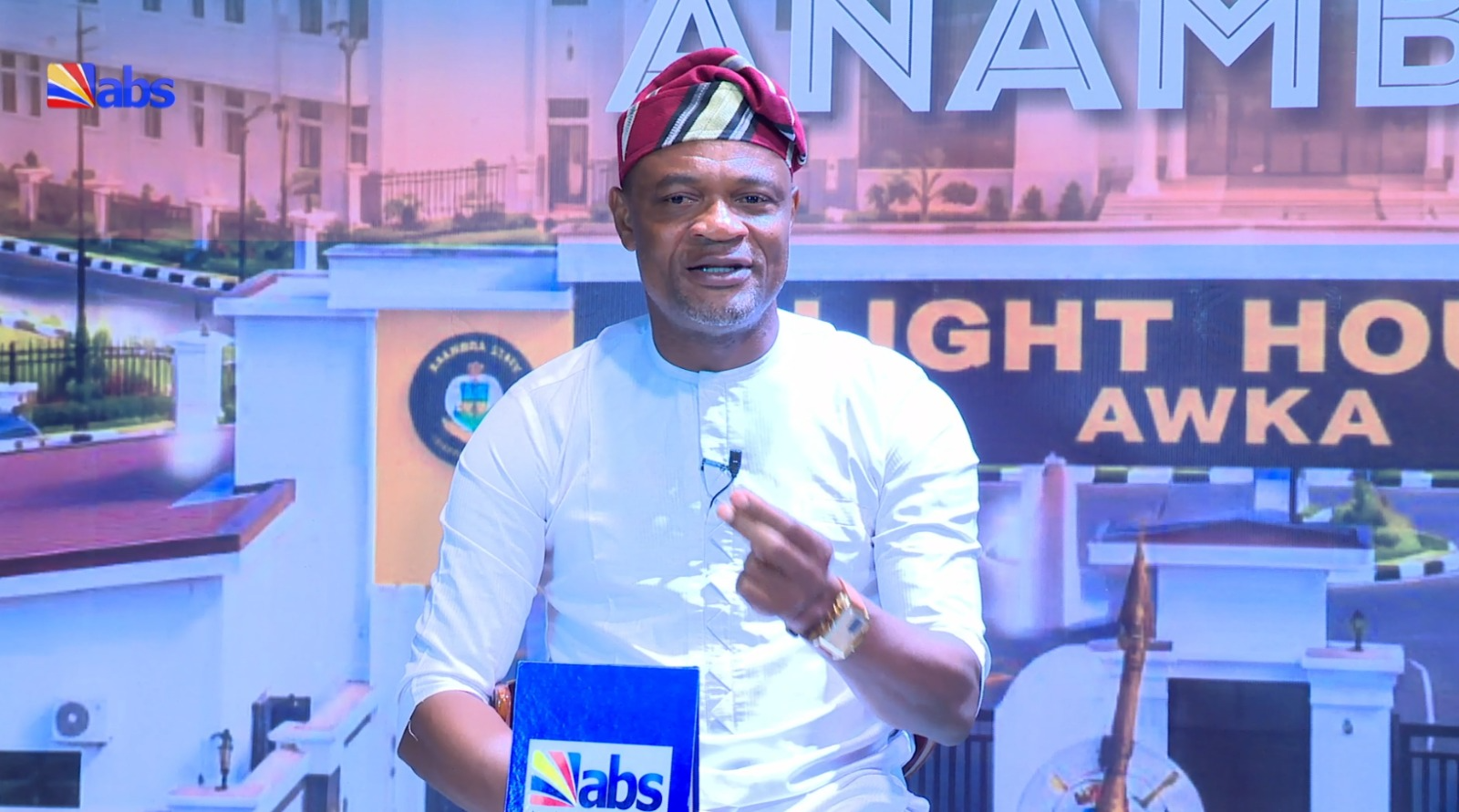
Orakwe made the remarks during a television appearance on Anambra Broadcasting Service, ABS TV, where he discussed mobilizing the youths for a credible election ahead of the 2027 general elections.
Speaking on the programme, Orakwe questioned the contradiction in Nigeria’s technological adoption — a nation where millions trust ATM cards daily with their life savings, yet struggles to guarantee that every vote counts.
“If an ATM card can work, why can’t a voter’s card?” Orakwe asked.
According to him, the success of ATM operations across the country shows that technology can work at scale in Nigeria when supported by the right systems. The challenge, he noted, is not whether Nigeria has the technical capacity for electronic voting, but whether it has the institutional discipline to make it work.
He stressed that Nigeria’s ability to embrace electronic voting depends not only on technology but also on four critical pillars, the strength of its institutions, the reliability of its systems, accountability of operators, and leadership commitment.
Orakwe argued that technology could significantly improve electoral processes if deployed with appropriate safeguards, transparency, effective implementation, and measures to build public confidence.
“The ATM works because there is a system behind it, it is secured, monitored, and there are consequences when it fails. If we bring that same level of seriousness, investment and accountability to elections, e-voting will work,” he said.
He further explained that the conversation around electronic voting should go beyond the availability of technology to address the institutional and leadership responsibilities required to deliver credible elections.
Orakwe emphasized that sustained electoral reforms are crucial to strengthening public trust, particularly among young voters who form the bulk of the electorate but are often discouraged by perceived lack of credibility in the process.
“Young Nigerians are ready to participate, but they need to be assured that their votes will count. Technology, if transparently deployed, can help restore that trust,” he added.
As the country prepares for the 2027 general elections, Orakwe’s remarks add to the ongoing national discourse on how technology and institutional reforms can improve electoral integrity and democratic accountability in Nigeria.
He called on stakeholders including the Independent National Electoral Commission, INEC, the National Assembly, political parties and civil society organizations to begin early engagement on the legal framework, pilot testing and voter education required for a seamless transition.
Political observers say Orakwe’s ATM analogy has struck a chord with many Nigerians, reigniting debate over whether Nigeria should take the bold step towards full electronic voting as part of efforts to deepen democracy.