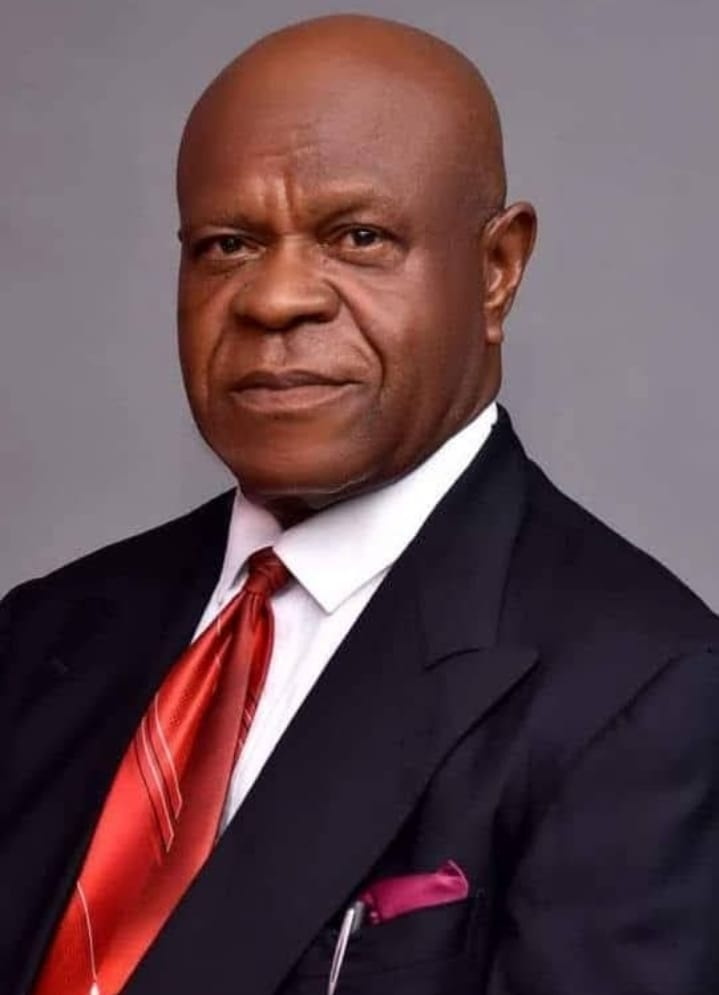
The latest political move by Peter Obi, his exit from the African Democratic Congress (ADC) to the National Democratic Congress (NDC), has once again stirred debate about the stability of opposition politics in Nigeria and the forces shaping it.
In a statement issued by his media aide, Valentine Obienyem, Obi attributed his departure to deepening internal crises, external interference and an increasingly hostile political climate. He painted a troubling picture of a system where institutions meant to safeguard democracy are perceived to be working at cross-purposes with it, while individuals committed to reform face relentless scrutiny and pressure.
Notably, Obi was careful to dispel any notion of personal conflict with key figures within the ADC. He reaffirmed his respect for leaders such as David Mark and Atiku Abubakar, insisting that his decision was driven purely by structural dysfunctions within the party, ranging from internal divisions to legal disputes and what he described as the infiltration of destabilising forces.
Obi’s current trajectory cannot be understood without revisiting his recent political journey. As the presidential candidate of the Labour Party (LP) in the 2023 general elections, Obi galvanized an unprecedented wave of youth-driven political engagement and secured a strong third-place finish that disrupted Nigeria’s traditional two-party dominance.
However, the aftermath of that election saw the Labour Party engulfed in internal leadership crises and legal battles. Many observers noted that the intensity and timing of these disputes significantly weakened the party’s cohesion. To his supporters, the situation appeared less organic and more orchestrated.
Obi formally exited the Labour Party on February 14, 2026, and soon after joined the ADC, a move initially seen as a strategic recalibration. Yet, within a short period, familiar patterns began to emerge such as internal wrangling, legal uncertainties and factional pressures that mirrored his experience in the LP.
His latest shift to the NDC, therefore, is not merely another political realignment; it reinforces a growing narrative of instability surrounding any platform he associates with.
A widely held view among Obi’s supporters is that these recurring crises are not coincidental. According to them, they reflect a broader strategy aimed at weakening viable opposition platforms.
Believed to be at the centre of this is the administration of Bola Ahmed Tinubu. Critics allege that state institutions, including segments of the judiciary and regulatory bodies, have been leveraged, directly or indirectly, to foment internal discord within opposition parties. They also point to the role of political proxies and sponsored factions in escalating disputes to destabilising levels.
The Labour Party episode is often cited as the most glaring example. According to this perspective, the party’s internal conflicts reached a peak that effectively crippled its operational capacity. Intriguingly, many note that Obi’s exit appeared to coincide with a sudden easing of institutional resistance, and recognition was swiftly conferred on the party.
A similar pattern, critics argue, has now played out in the ADC, raising questions about whether any political platform associated with Obi can remain insulated from systemic disruption.
Underlying these developments is the belief that Obi’s strong showing in the 2023 election fundamentally altered Nigeria’s political calculus. His appeal across demographic lines, particularly among younger voters, positioned him as a credible challenger to entrenched power structures.
For some analysts, this makes him not just a strong opponent, but a perceived threat, one whose political momentum must be contained. Within this framework, the repeated crises in parties he joins are interpreted as pre-emptive moves to weaken his base and limit his electoral viability.
Obi himself stopped short of making direct accusations, but his remarks about a “toxic” political environment, where sincerity is punished and due process is undermined, strongly hint at systemic challenges beyond ordinary party politics.
With his move to the NDC, the central question now is whether the pattern will persist. Will this new platform provide the stability and cohesion that have eluded him in recent years? Or will it too, become entangled in the same cycle of internal strife and external pressure?
Beyond Obi’s personal trajectory, the issue raises broader concerns about the health of Nigeria’s democracy. A political system where opposition platforms struggle to remain functional risks narrowing the space for genuine competition and accountability.
Obi, for his part, has reiterated that his ultimate goal is not the pursuit of office for its own sake, but the creation of a just and equitable society. Yet, the recurring disruptions suggest that the path toward that vision may remain fraught with debilitating tackles.
As Nigeria inches toward another electoral cycle, the resilience or vulnerability of the NDC may well serve as a litmus test for the country’s democratic maturity. Whether Obi will finally find a stable political home, or continue his pattern of displacement, remains an open and deeply consequential question.