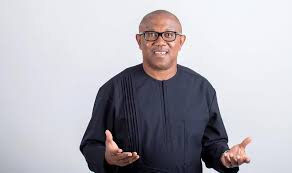
As Nigeria edges closer to the 2027 general elections, political discussions in the Southeast have taken a new dimension following Labour Party’s 2023 presidential candidate, Mr. Peter Obi’s proposal for a single-term presidency.
The former Anambra governor had, during a visit to Bauchi State Governor Bala Mohammed in August, restated his belief that Nigeria should adopt a one-term presidency of five years similar to South Korea’s model. According to Obi, the current system allows presidents to spend their first term focusing more on re-election than on governance.
Obi argued: “What people do now is to be president for one year and use the rest of the year thinking about their next tenure. We must stop it, let’s face the real job, do your own and go.”
His proposal has since generated sharp reactions among political stakeholders, particularly in the southeast.
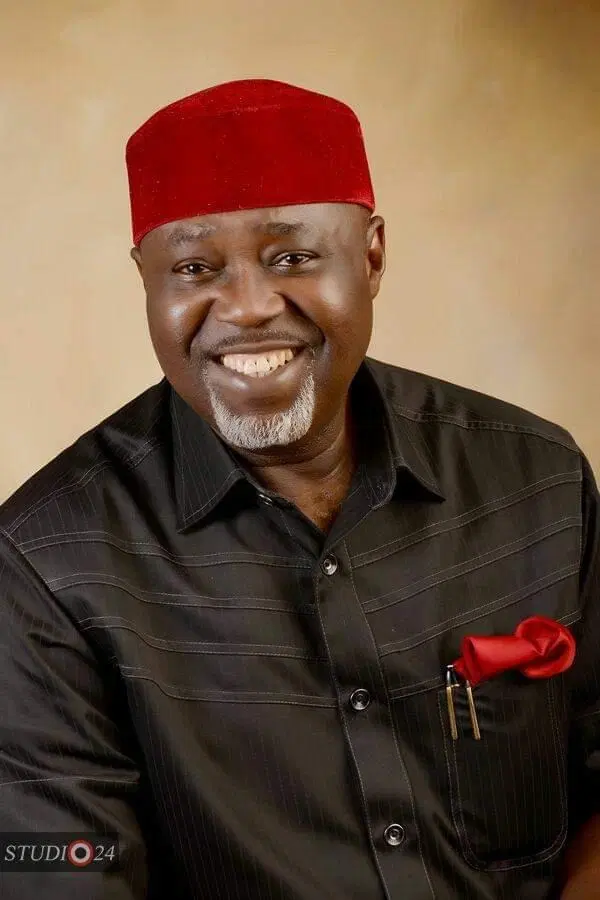
Kenneth Udeze, National Chairman of the Action Alliance (AA), dismissed Obi’s suggestion as a “personal opinion” and a subtle political move to woo voters across regions.
According to him, Nigeria’s constitution already provides for two terms, and any change would require an amendment by the National Assembly. Udeze warned that politicians often make such statements to attract support but rarely stick to them once in power.
He further argued that four years, or even five, would be insufficient to tackle Nigeria’s deep-rooted challenges, ranging from corruption and insecurity to economic decline.
“This country has been bastardized by years of corruption. It would take a leader with genuine orientation and strong vision to even begin to fix things, and four years is not enough,” he said.
On the other hand, Chyma Anthony, a lawyer, journalist, and APGA’s 2023 senatorial candidate for Imo East, described Obi’s one-term proposal as a “welcome development.”
Anthony maintained that meaningful reforms can be achieved within four years if institutions are strengthened.
“A child born today starts walking in four years. That’s progress. So why wait for eight years when a determined leader can deliver within one term?” he asked.
He also recalled how Obi’s political influence reshaped the 2023 elections, stressing that the Labour Party leader has the capacity to mobilize and inspire Nigerians across regions.
Anthony noted that Obi’s chances in 2027 should not be dismissed, pointing out that he won Lagos in 2023 against President Bola Tinubu. He added that growing discontent in the North could tilt the balance of power in Obi’s favor.
“Today, Nigerians are not concerned about North, South, or East. People are suffering—whether from insecurity, fake foods, or economic hardship. Anybody who comes with a clear plan to fix Nigeria can win,” he emphasized.
While opinions remain divided, Obi’s proposal has succeeded in stirring a fresh debate on leadership, governance, and constitutional reform ahead of 2027. For some, a one-term presidency could break the cycle of distraction caused by re-election campaigns; for others, it is too short a period to reset Nigeria’s battered systems.
What is clear, however, is that Obi’s stance has once again placed him at the center of Nigeria’s political discourse.
By AT Reporter